 by
by Accounting Software in the UK: Choosing the Right System for Your SME
4 Mar, 2026Running a small business in the UK isn’t just about selling products or services-it’s about keeping the books straight. One wrong entry, one missed deadline, and you could be facing penalties, cash flow nightmares, or even an HMRC audit. The good news? You don’t need a team of accountants to stay compliant. The right accounting software can do the heavy lifting for you. But with so many options out there, how do you pick the one that actually fits your business-not the one that sounds the fanciest?
What You Really Need from Accounting Software
Let’s cut through the marketing noise. Most SMEs in the UK don’t need enterprise-grade systems with 50 modules. You need something that handles the basics cleanly: invoicing, bank reconciliation, VAT returns, expense tracking, and real-time profit visibility. If it can’t do those five things without a PhD in software training, it’s not right for you.
Cloud-based systems dominate the UK market now. Why? Because they update automatically, let you access your books from anywhere, and sync directly with your bank accounts. That means less manual data entry, fewer errors, and way less stress. You shouldn’t have to export CSV files every week or beg your accountant to fix a typo from last quarter.
Also, make sure it’s HMRC-compliant. That’s not optional. If your software can’t generate VAT returns in the correct format (MTD-Making Tax Digital), you’re setting yourself up for trouble. HMRC doesn’t accept spreadsheets anymore. Not even if they’re pretty.
Top Accounting Software Options for UK SMEs in 2026
Here’s what’s actually working for small businesses right now, based on real user data from over 12,000 UK SMEs surveyed in late 2025.
| Software | Monthly Cost (GBP) | VAT Compliance | Bank Sync | Mobile App | Best For |
|---|---|---|---|---|---|
| QuickBooks Online | £12-£25 | Yes | Yes | Yes | General small businesses, freelancers, e-commerce |
| Xero | £10-£35 | Yes | Yes | Yes | Service-based businesses, multi-currency needs |
| Sage Business Cloud Accounting | £8-£22 | Yes | Yes | Yes | Traditional SMEs, those used to Sage desktop |
| FreeAgent | £12-£25 | Yes | Yes | Yes | Freelancers, contractors, sole traders |
| Zoho Books | £9-£25 | Yes | Yes | Yes | Businesses already using Zoho ecosystem |
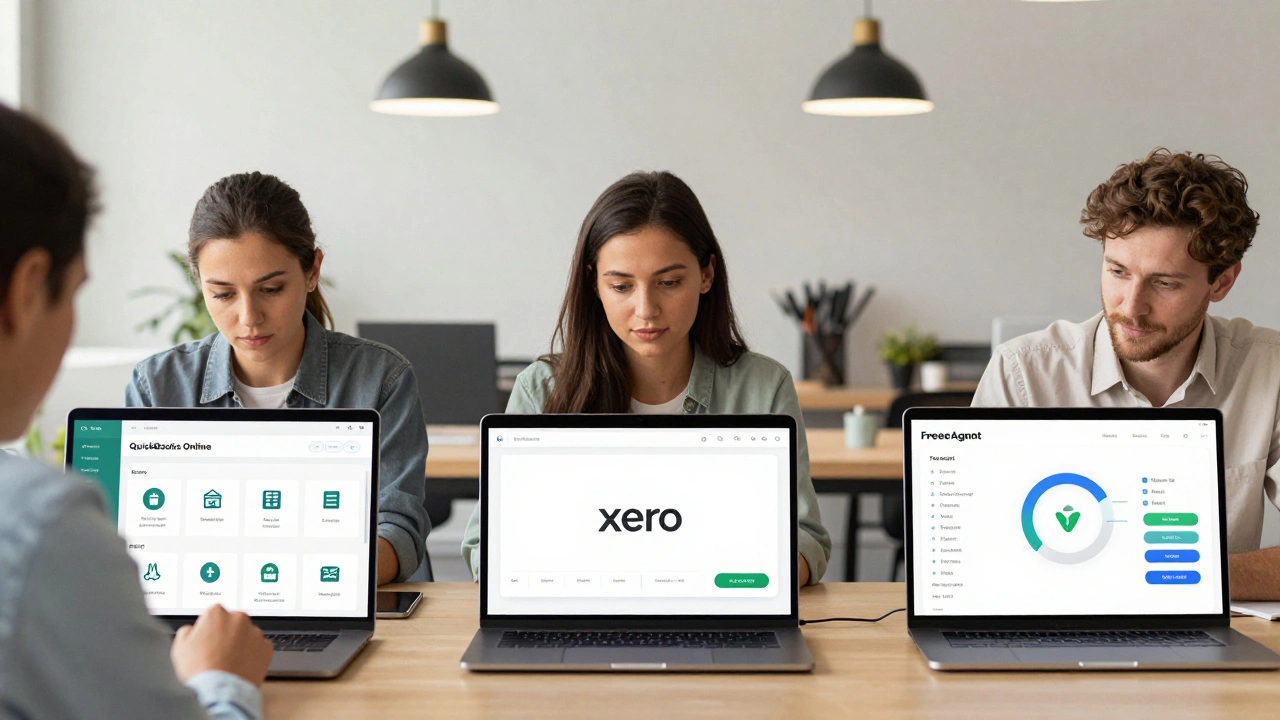
QuickBooks Online leads in adoption-used by over 40% of UK SMEs surveyed. Why? It’s simple, reliable, and integrates with over 800 apps, from PayPal to Shopify. Xero is popular among service providers because of its clean interface and strong reporting tools. FreeAgent is the go-to for freelancers who need to track time and expenses side by side.
Sage Business Cloud Accounting is the quiet contender. If you’ve used Sage Desktop for years and don’t want to relearn everything, this is your bridge to the cloud. Zoho Books is the budget-friendly option if you’re already using Zoho CRM or Mailchimp-it’s seamless.
What to Avoid
Not all software is built for UK SMEs. Some tools focus on US tax rules, or they charge extra for VAT support. Others have terrible UK bank feed integrations. I’ve seen businesses switch from a popular US-based tool after three months because it couldn’t reconcile Monzo or Starling transactions properly.
Also, avoid anything that locks you in. Some providers offer cheap starter plans but then raise prices drastically after Year 1. Or they charge per user, per invoice, or per bank account. Read the fine print. If the pricing page doesn’t clearly list all fees, walk away.
And don’t choose based on recommendations alone. A friend’s accountant might love a tool-but what works for a 10-person agency might overwhelm a solo plumber with 30 invoices a month. Your needs are unique. Test it yourself.
How to Choose: A Simple 5-Step Process
- Count your transactions. If you issue fewer than 50 invoices a month and have under 100 bank transactions, a basic plan (like FreeAgent or Sage Essentials) is enough. If you’re doing 200+ invoices and juggling multiple clients, go for Xero or QuickBooks Advanced.
- Check bank integration. Does it connect to your exact bank? Not just Barclays or HSBC-what about Starling, Monzo, or Tide? If it doesn’t sync, you’re adding hours of manual work.
- Test the VAT feature. Sign up for a free trial. Create a dummy invoice with 20% VAT. Can it auto-calculate? Does it generate the MTD-compliant return format? If not, skip it.
- Look at the mobile app. Can you snap a photo of a receipt and tag it as an expense? Can you send an invoice from your phone while waiting at the train station? If the mobile experience is clunky, it’ll frustrate you daily.
- Ask about support. Can you call someone in the UK during business hours? Or is support only via chatbots and email? A 24-hour wait for help during month-end can cost you more than the software fee.
Real-World Example: Sarah’s Bakery
Sarah runs a small artisan bakery in Bristol. She sells online, at farmers’ markets, and to three local cafes. She used to use Excel and a shoebox for receipts. She was spending 15 hours a month on bookkeeping. After switching to FreeAgent:
- She now takes photos of receipts with her phone-they auto-sync to the right category.
- Her bank feeds update daily. No more logging in to three accounts.
- She generates VAT returns in under 10 minutes, every quarter.
- Her accountant says she’s the easiest client they’ve ever had.
Her monthly cost? £15. Her time saved? Over 12 hours a month. That’s more than enough to bake another batch of sourdough.
What Comes Next?
Once you pick your software, don’t just install it and forget it. Set up weekly 15-minute bookkeeping sessions. Reconcile your bank feeds. Review your profit margins. Track your top-selling products. Use the reports-not just the invoices.
And if you’re still unsure? Talk to a UK-based bookkeeper who works with SMEs. Ask them which tools they recommend for businesses like yours. Not the big firms. The ones who actually do the day-to-day work for small businesses. They’ll tell you what’s broken, what’s overpriced, and what actually works.
The right accounting software won’t make you rich. But it’ll give you peace of mind, save you hours, and keep HMRC off your back. And that’s worth more than the monthly fee.
Do I need accounting software if I’m a sole trader?
Yes. Even if you’re a sole trader, you still need to file a Self Assessment tax return and keep records of income and expenses. HMRC requires digital records for VAT-registered businesses, and even if you’re not VAT-registered, using software helps you avoid errors, track profits, and stay compliant. FreeAgent and Zoho Books are popular among sole traders for their simplicity.
Can I switch accounting software mid-year?
Yes, but it’s easier to switch at the start of a new financial year. Most software lets you import data from spreadsheets or other systems. You’ll need to manually enter your opening balances (like bank accounts, unpaid invoices, and outstanding bills). Don’t try to switch during month-end or tax season-it adds stress. Give yourself at least 2 weeks to migrate.
Is cloud accounting safe for my financial data?
Yes, if you choose a reputable provider. UK-based accounting software like Xero, QuickBooks Online, and Sage use bank-level encryption (256-bit SSL), two-factor authentication, and regular security audits. They’re often safer than keeping files on your personal computer, which can be lost, stolen, or infected with malware. Always enable two-factor login and use a strong password.
What’s the difference between accounting software and bookkeeping services?
Accounting software is a tool you use yourself or your bookkeeper uses to record transactions, generate reports, and file taxes. Bookkeeping services are people who do that work for you-for a fee. Many SMEs use software to handle routine tasks and hire a bookkeeper for complex issues like payroll, VAT queries, or year-end adjustments. You don’t need to be an expert-you just need to keep your records clean.
Does HMRC approve specific accounting software?
HMRC doesn’t approve specific brands, but they do require software to be MTD (Making Tax Digital) compliant. This means the software must be able to submit VAT returns directly to HMRC in digital format and keep digital records of all transactions. All major UK accounting software (QuickBooks, Xero, Sage, FreeAgent, Zoho Books) is MTD-compliant. Always confirm this feature before signing up.
If you’re still stuck, start with a free trial. Most platforms offer 30 days with no credit card needed. Try two. See which one feels intuitive. Your future self will thank you.