
 by
by Close-the-Loop Processes in the UK: Turning Customer Feedback into Loyalty
29 Sep, 2026You collected the survey. You got the star ratings. Maybe you even have a spreadsheet full of comments from your customers across London, Manchester, or Glasgow. But here is the uncomfortable truth most UK businesses ignore: if you aren't close the loop, that data is just digital dust. Collecting feedback without acting on it-or worse, telling people what you did with their input-is like shouting into a void and expecting an echo.
Why does this matter? Because in the current UK market, where cost-of-living pressures make every purchase decision scrutinized, customers don't just want to be heard; they want proof that their voice changes things. A "closed-loop" process isn't just a support ticket workflow. It is a strategic engine for retention. When you follow up properly, you turn detractors into defenders and passive promoters into vocal advocates. This guide breaks down exactly how to build that loop, specifically tailored for UK compliance standards and consumer expectations.
What Actually Is a Closed-Loop Process?
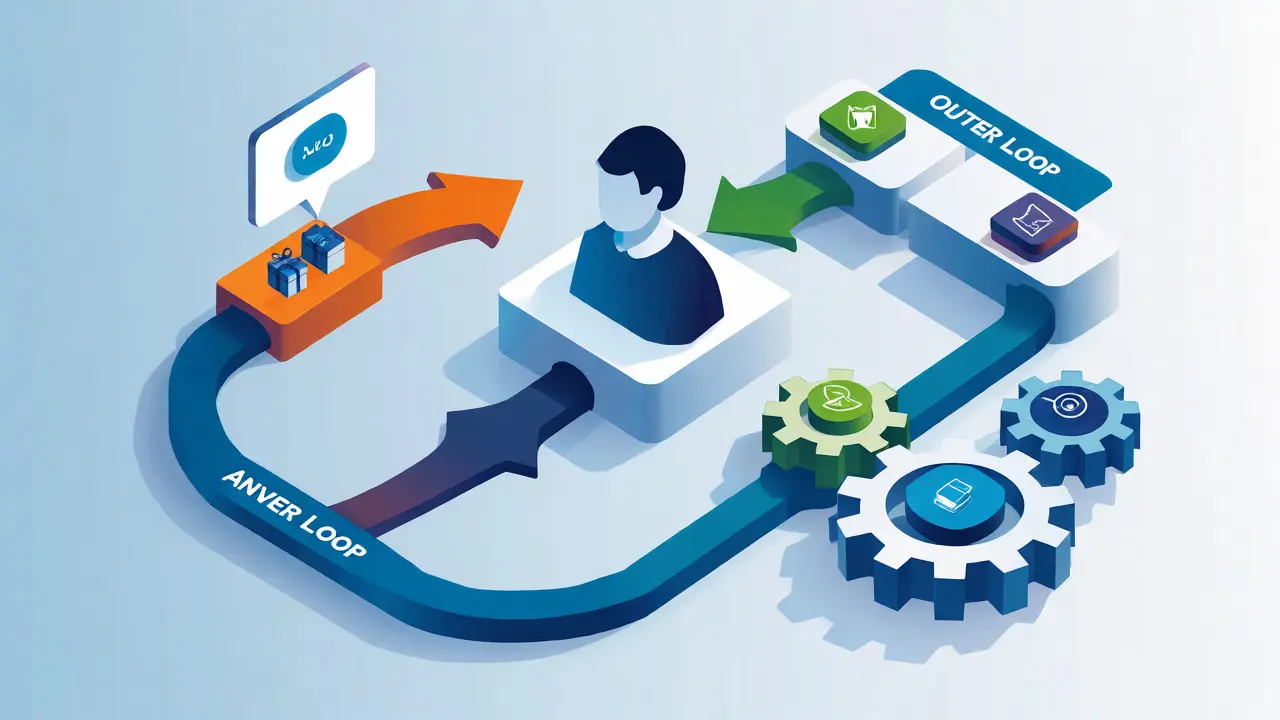
Let's strip away the jargon. A closed-loop process is simply a system that ensures every piece of customer feedback triggers a specific action and, crucially, a communication back to the customer. It has two distinct layers: inner and outer loops.
The Inner Loop is the immediate, one-on-one response to individual feedback. If Sarah in Leeds gives you a 1-star rating because her delivery was late, the inner loop means someone calls or emails her within 24 hours to apologize and fix it. The goal here is service recovery-saving that specific relationship.
The Outer Loop is the broader analysis of feedback trends to drive systemic change. If ten people in Leeds complain about late deliveries, the outer loop involves investigating your logistics partner in Yorkshire and changing the contract or route. The goal here is product or process improvement.
Most companies fail because they only do half the job. They reply to the angry email (inner loop) but never fix the broken shipping policy (outer loop). Or they fix the policy but never tell the original complainer that the problem is solved. Both failures leave value on the table.
Why UK Customers Expect More Than Just an Apology
UK consumers are notoriously polite but quietly judgmental. We might not shout at you, but we will quietly switch brands. Recent data from the Chartered Institute of Marketing suggests that 70% of UK consumers expect a personalized response to negative feedback. Generic auto-replies like "Thank you for your feedback" often feel insulting when someone has spent five minutes writing a detailed complaint.
Furthermore, the regulatory landscape adds weight to these interactions. Under GDPR (General Data Protection Regulation), which remains fully applicable in the UK post-Brexit, you must handle personal data transparently. When you use feedback to improve services, you are processing personal data. Telling customers *how* you used their input builds trust in your data handling, which is a major differentiator in the UK market.
Consider the difference between two scenarios:
- Scenario A: You receive a complaint about a confusing checkout page. You ignore it. Three months later, another customer leaves the same complaint. Nothing changed.
- Scenario B: You receive the complaint. Your team fixes the button placement. You email the original customer: "Hi John, thanks for pointing out the confusion. We've updated our checkout page based on your suggestion. Here’s a 10% discount code for your next order."
In Scenario B, John feels valued. He is statistically more likely to repurchase. That is the power of closing the loop.
Step-by-Step: Building Your Inner Loop
The inner loop is about speed and empathy. If you wait three weeks to respond to a negative review, the customer has already moved on emotionally. Here is how to structure it effectively.
- Triage Immediately: Not all feedback needs a phone call. Use a triage system. Negative scores (NPS 0-6 or CSAT 1-3) get high priority. Neutral or positive feedback can go into a batched thank-you email later.
- Personalize the Outreach: Avoid templates that sound robotic. If the customer mentioned a specific issue, reference it. "I saw you had trouble with our size guide" is better than "We value your feedback."
- Offer a Solution, Not Just Sympathy: Ask, "How can we make this right?" Often, customers just want acknowledgment. Sometimes they want a refund. Empower your staff to resolve issues up to a certain monetary limit without needing manager approval. In the UK, autonomy in customer service roles significantly reduces churn.
- Document the Interaction: Log the resolution in your CRM. If this customer returns, the agent should know exactly what happened last time. Nothing frustrates a UK customer more than repeating their story to a new agent.
A quick heuristic: Aim for a response time of under 24 hours for negative feedback. For positive feedback, a weekly automated thank-you is acceptable, though manual praise for detailed reviews works wonders.
Mastering the Outer Loop: From Data to Decisions
Once you have handled the individual fires, look at the smoke signals. The outer loop turns anecdotal evidence into business intelligence. This is where you stop firefighting and start fireproofing.
To do this well, you need to categorize feedback. Most modern tools allow you to tag comments by topic (e.g., "Shipping," "Product Quality," "Price"). If you see a spike in "Packaging" complaints in Q3, investigate immediately. Did you change suppliers? Is the weather affecting cardboard strength?
Here is a practical framework for outer-loop actions:
| Feedback Trend | Root Cause Analysis | Action Required | Communication Strategy |
|---|---|---|---|
| High volume of "Slow Support" | Understaffed during peak hours | Hire part-time agents for evenings | Email blast: "We heard you. We've added evening support hours." |
| Negative comments on "Website Speed" | Large image files on homepage | Optimize images; compress assets | Social media update: "Our site is now 2x faster!" |
| Requests for "Eco-friendly Packaging" | Competitor trend + customer values | Switch to recycled materials | Blog post + Email: "Meet our new sustainable packaging." |
Notice the last column. This is critical. If you make a change but don't tell anyone, you miss the marketing opportunity. Announcing improvements based on feedback proves you listen. It creates a narrative of continuous improvement that resonates strongly with British consumers who value understated competence.
Cultural Nuances: The British Approach to Feedback
If you are operating in the US or globally, adapting to the UK style is essential. British customers tend to understate dissatisfaction. A comment saying "It was okay" might actually mean "It was terrible, but I didn't want to make a fuss." Conversely, "I'm slightly disappointed" can indicate a deal-breaking issue.
When closing the loop in the UK, tone matters. Be professional but warm. Avoid overly enthusiastic American-style exclamation marks unless appropriate. Phrases like "Apologies for the inconvenience" and "We appreciate your patience" land well. Sincerity beats hype.
Also, consider the channel. While email is standard, younger UK demographics (Gen Z and Millennials) increasingly prefer social media DMs or WhatsApp Business for quick resolutions. Offering multiple channels for the inner loop shows flexibility. However, ensure these channels feed into the same central database so your outer-loop analytics remain accurate.
Pitfalls to Avoid in Your Close-the-Loop Strategy
Even well-intentioned programs fail due to common mistakes. Watch out for these traps:
- The "Black Hole" Effect: Sending an auto-reply that says "We'll look into this" but never following up. This damages trust more than not asking for feedback at all.
- Over-Automation: Using AI to draft responses is fine, but sending a generic AI-generated paragraph to a deeply unhappy customer feels dismissive. Always have a human review high-priority cases.
- Ignoring Positive Feedback: Many teams focus solely on fixing problems. Don't forget to engage promoters. Ask them for case studies or referrals. Closing the loop with happy customers amplifies word-of-mouth.
- Lack of Internal Accountability: If the marketing team collects feedback but the operations team doesn't act on it, the loop stays open. Assign clear ownership for each feedback category.
Measuring Success: KPIs That Matter
How do you know if your close-the-loop process is working? Track these metrics:
- Response Rate: What percentage of negative feedback recipients did you contact? Aim for 90%+.
- Resolution Time: How long does it take to close a ticket after initial contact? Faster is generally better, provided quality isn't sacrificed.
- Churn Reduction: Compare churn rates of customers who received follow-ups vs. those who didn't. Even a 5% reduction in churn significantly impacts profitability.
- Net Promoter Score (NPS) Movement: Do detractors move toward neutral or promoter status after a successful recovery interaction? This is the ultimate test of your inner loop.
Remember, the goal isn't just to silence critics. It's to create loyalists who feel invested in your brand's success. When a customer sees their suggestion implemented, they become part of your development team. That emotional connection is far stronger than any discount code.
Frequently Asked Questions
How quickly should I respond to negative feedback?
For negative feedback, aim to respond within 24 hours. Ideally, try for same-day acknowledgement. Speed demonstrates respect and prevents the customer from posting a public complaint elsewhere while waiting for you to notice.
Is GDPR a barrier to contacting customers about feedback?
No, GDPR supports it. As long as you have a legitimate interest or consent to process their data for service improvement, you can contact them. Ensure you clearly state why you are contacting them and provide an easy way to opt-out of future marketing communications if desired.
Should I offer incentives for leaving feedback?
Incentives can boost response rates but may bias results if people only respond for the reward. In the UK, small gestures like entry into a prize draw work better than direct discounts for surveys, as they feel less transactional. Save significant discounts for service recovery situations.
What if I can't fix the issue raised by the customer?
Honesty is key. Explain why the change isn't possible (e.g., technical constraints, company policy) and thank them for the insight. Often, customers accept a logical explanation better than silence. It still closes the loop because they received a definitive answer.
How do I handle anonymous feedback?
You cannot perform an inner loop on anonymous feedback since you can't identify the person. Focus entirely on the outer loop: analyze the trends and implement systemic changes. You can also publish a general "You Spoke, We Listened" report to show all customers how anonymous insights led to real improvements.