
 by
by Customer Retention Strategies for UK Businesses: Practical Ways to Keep Customers Loyal in 2026
15 May, 2026Acquiring a new customer costs five to twenty-five times more than keeping an existing one. That’s the harsh reality facing every business owner across the United Kingdom right now. With rising inflation affecting disposable income and digital fatigue setting in, consumers are less likely to switch brands unless they have a compelling reason to stay. If you’re running a business in the UK-whether it’s a high-street retailer, a SaaS startup in London, or a local service provider-you can’t rely on acquisition alone to grow your revenue.
The secret isn’t just getting people through the door; it’s making them want to come back. Customer retention is the ability of a company to keep its customers over a specified period. It’s not a passive outcome; it’s a strategic discipline that requires understanding human behavior, leveraging data, and delivering consistent value. In this guide, we’ll break down actionable strategies tailored to the UK market landscape in 2026, helping you turn one-time buyers into lifelong advocates.
Understanding the Cost of Churn in the UK Market
Before implementing any strategy, you need to grasp what you’re losing when a customer leaves. Churn isn’t just a missed sale; it’s wasted marketing spend, lost lifetime value, and potential negative word-of-mouth. According to recent data from Ofcom, the UK communications regulator, customer churn rates in competitive sectors like telecoms and banking remain stubbornly high, often exceeding 15% annually. For small and medium-sized enterprises (SMEs), which make up 99% of UK businesses, even a 5% increase in retention can boost profits by 25% to 95%, according to research from the British Retail Consortium, a trade association representing UK retailers.
Why does this happen? Often, businesses focus too heavily on acquisition metrics like click-through rates and cost per lead while ignoring retention indicators such as Net Promoter Score (NPS) and Customer Lifetime Value (CLV). To fix this, you must shift your mindset from transactional interactions to relational engagements. Every touchpoint-from the initial purchase to post-sale support-is an opportunity to reinforce loyalty.
Personalization at Scale: Beyond First Names
Greeting a customer by their first name in an email is no longer enough. In 2026, personalization means anticipating needs before the customer articulates them. This requires integrating data from multiple sources: purchase history, browsing behavior, customer service interactions, and even social media sentiment. Tools like CRM systems, software for managing all your company's relationships and interactions with customers such as Salesforce or HubSpot allow you to segment audiences dynamically.
Consider how major UK supermarkets like Tesco and Sainsbury’s use personalized offers. They don’t just send generic discounts; they analyze basket composition to suggest complementary products or remind users of replenishment cycles. For smaller businesses, this might mean using simple automation rules: if a customer buys a coffee machine, schedule a follow-up email three months later offering filter replacements. The key is relevance. Irrelevant messages feel like spam; relevant ones feel like care.
- Behavioral Triggers: Send emails based on actions (e.g., abandoned cart, product view).
- Purchase History: Recommend items related to past buys.
- Life Events: Acknowledge milestones like birthdays or anniversaries with genuine gestures, not just coupons.
Leveraging Loyalty Programs That Actually Work
Loyalty programs are ubiquitous, but many fail because they’re transactional rather than emotional. A points-for-purchases model works only if the rewards are desirable and attainable. In the UK, where consumer trust in big corporations has waned post-Brexit and amid economic uncertainty, transparency and fairness matter more than ever.
Look at Nectar, a popular loyalty scheme in the UK owned by Sainsbury's. While criticized in the past for complexity, recent iterations have simplified redemption paths and partnered with diverse brands to increase utility. For your business, consider tiered structures that reward engagement, not just spending. Offer exclusive access, early previews, or community events to top tiers. This creates status, which is a powerful psychological driver.
| Model Type | Best For | Pros | Cons |
|---|---|---|---|
| Points-Based | Retail, E-commerce | Easy to understand, measurable ROI | Can become commoditized, low emotional connection |
| Tiered Status | Hospitality, Travel, High-End Services | Drives aspiration, increases CLV | Complex to manage, risk of alienating lower tiers |
| Community/Experience | Niche Brands, B2B, Creative Industries | High engagement, strong brand advocacy | Harder to scale, less direct financial return |

Proactive Customer Service as a Retention Tool
Most companies treat customer service as a cost center-a place to handle complaints after things go wrong. But proactive service is a retention powerhouse. Monitoring feedback channels, including Trustpilot, a review platform widely used in the UK, Twitter/X, and email, allows you to address issues before they escalate. If a shipment is delayed, notify the customer immediately with a solution, not an apology.
In the UK, regulatory frameworks like the Consumer Rights Act 2015 set baseline expectations, but exceptional service goes beyond compliance. Train your team to empower themselves with resolution authority. A frontline agent who can offer a refund or replacement without managerial approval resolves issues faster and builds trust. Remember, a problem solved well is often remembered more fondly than a flawless experience.
Building Emotional Connections Through Brand Values
Customers today, especially younger demographics like Gen Z and Millennials, align with brands that share their values. Sustainability, ethical sourcing, and social responsibility aren’t buzzwords-they’re decision factors. In the UK, there’s growing scrutiny around greenwashing. Authenticity is non-negotiable.
If your business claims to be eco-friendly, ensure your supply chain reflects that. Partner with organizations like The Soil Association, the world's first organic food certification body for credibility. Share behind-the-scenes stories about your impact. When customers feel part of a mission, they become defenders of your brand. This emotional bond reduces price sensitivity and increases resilience during downturns.
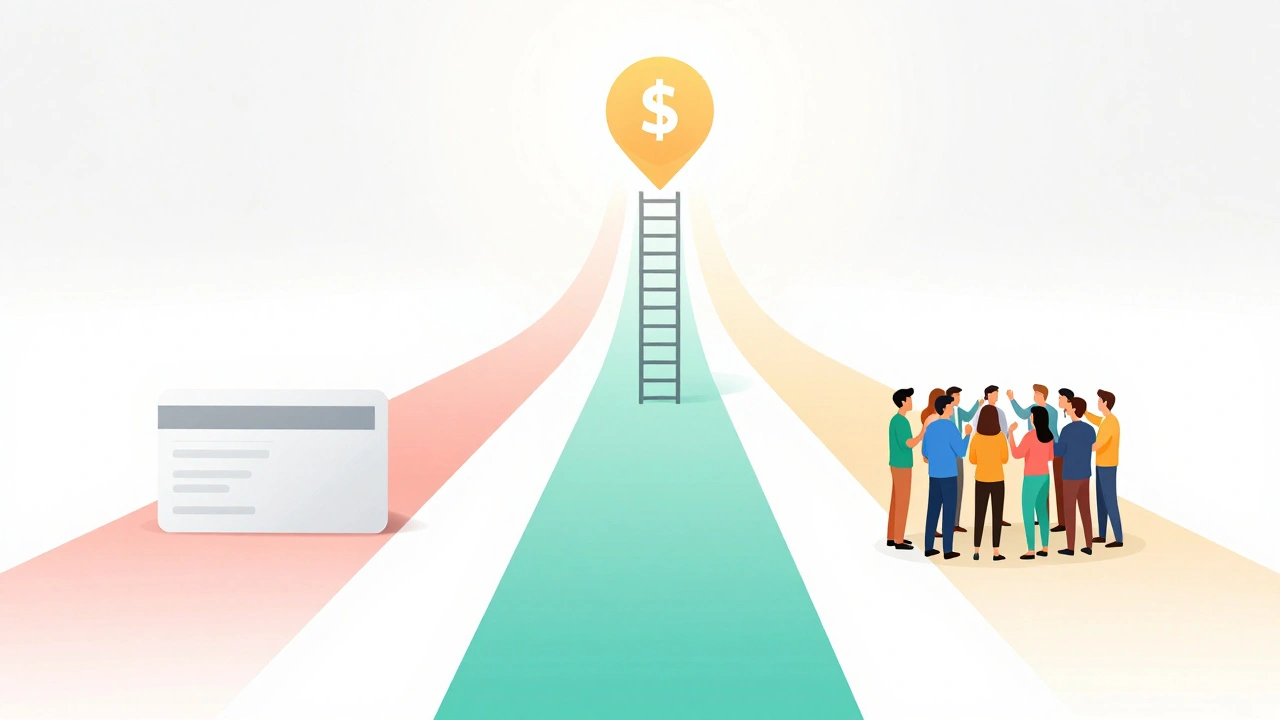
Using Data Analytics to Predict Churn
You can’t retain customers if you don’t know who’s leaving. Predictive analytics uses historical data to identify patterns associated with churn. Machine learning models can flag at-risk customers based on declining engagement, reduced spend, or increased complaint frequency. Implementing tools like Google Analytics 4, a free web analytics service offered by Google combined with CRM data gives you visibility into these signals.
Once identified, intervene strategically. Offer targeted incentives, conduct win-back campaigns, or simply reach out personally to understand their concerns. The goal isn’t to save everyone-it’s to save those worth saving. Focus resources on high-value segments where retention yields the greatest return.
Creating Seamless Omnichannel Experiences
UK shoppers expect consistency across online and offline channels. Whether they browse on mobile, visit a store, or chat via WhatsApp, their experience should be unified. Fragmented experiences frustrate users and drive them to competitors. Invest in integrated platforms that sync inventory, customer profiles, and communication histories.
For example, if a customer adds items to their cart on your app but abandons them, retarget them with ads on social media or send a reminder email. If they call your support line, the agent should see their previous interactions. This seamlessness reduces friction and makes customers feel known and valued.
Measuring Success: Key Metrics to Track
To refine your retention strategies, track specific KPIs regularly:
- Customer Churn Rate: Percentage of customers lost over a period.
- Customer Lifetime Value (CLV): Total revenue expected from a single customer.
- Net Promoter Score (NPS): Likelihood of customers recommending your brand.
- Repeat Purchase Rate: Proportion of customers who buy more than once.
Review these metrics monthly. Adjust tactics based on trends. If NPS drops, investigate service quality. If CLV stagnates, explore upselling opportunities. Continuous improvement is the hallmark of successful retention programs.
How much does it cost to retain a customer vs acquiring a new one?
Studies consistently show that retaining an existing customer costs 5 to 25 times less than acquiring a new one. This varies by industry, but the principle holds true: nurturing current relationships is far more efficient than constantly chasing new leads.
What is the best way to reduce churn in subscription-based UK businesses?
Focus on continuous value delivery. Regularly communicate benefits, offer flexible plans, and provide easy cancellation options paradoxically build trust. Use predictive analytics to identify at-risk subscribers and engage them proactively with personalized offers or support.
Can small UK businesses compete with large retailers in customer retention?
Absolutely. Small businesses excel at personalization and agility. Leverage direct customer relationships, offer bespoke services, and create community-focused experiences that larger chains cannot replicate. Authenticity and responsiveness are your competitive advantages.
How important is customer feedback in retention strategies?
Critical. Feedback provides real-time insights into customer satisfaction and pain points. Actively solicit reviews, monitor social media, and implement changes based on input. Showing customers that their voices shape your business fosters deep loyalty.
What role does AI play in modern customer retention?
AI enhances retention through hyper-personalization and predictive modeling. Chatbots handle routine queries instantly, while machine learning algorithms analyze behavior to predict churn risks and recommend optimal interventions. However, human oversight remains essential to maintain empathy and context.