 by
by Design Rights in the UK: Understanding Registered and Unregistered Design Protection
17 Dec, 2025If you’ve ever created a product with a unique shape, pattern, or look-something that makes it stand out on a shelf-you’ve already created something valuable. In the UK, that look can be legally protected. But not all design protection is the same. There are two main types: registered design and unregistered design rights. Knowing the difference isn’t just legal jargon-it can save you thousands in copying costs or lost sales.
What Exactly Is a Design Right?
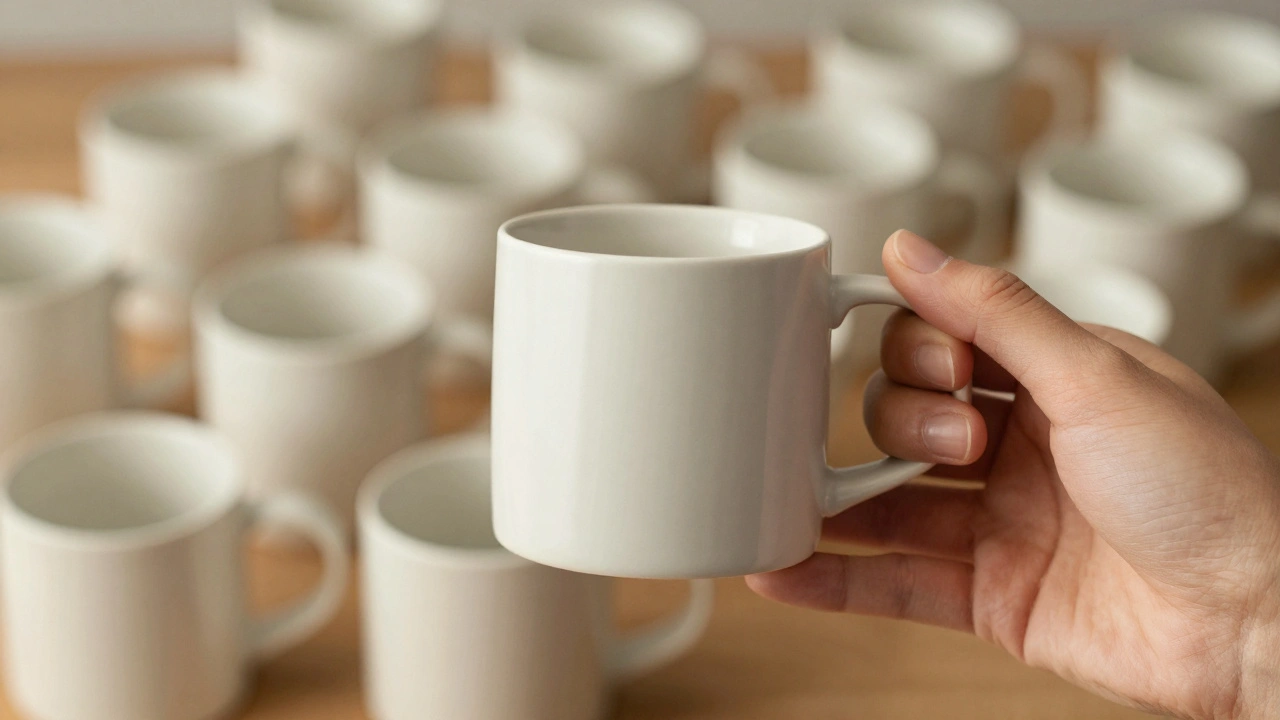
A design right protects the visual appearance of a product. That means the shape, configuration, pattern, or ornamentation-not how it works or what it’s made of. A coffee mug with a curved handle and a matte finish? That’s a design. The fact that it holds heat well? That’s a patent issue. Design rights are about how something looks, not how it functions.
In the UK, you don’t need to register a design to get some protection. But if you want strong, enforceable rights, registration is the way to go. The key difference between registered and unregistered design rights comes down to control, cost, and duration.
Unregistered Design Right: Automatic but Limited
When you create a new design in the UK, you automatically get unregistered design right (UDR). No forms. No fees. No paperwork. It’s built in. But that doesn’t mean it’s powerful.
UDR only protects the 3D shape or configuration of a product. It won’t cover surface patterns, colors, or 2D designs like printed graphics. So if you design a unique wallpaper pattern, UDR won’t help you. But if you invent a new ergonomic chair frame, you’re covered.
UDR lasts for 10 years from when you first sell the product, or 15 years from when you created it-whichever comes first. That’s a tight window. And you can’t stop someone from copying your design unless you can prove they copied it directly. You have to show they had access to your design and that the copy is substantially similar. No proof of copying? No claim.
Many small businesses assume UDR is enough. It’s not. If you’re selling anything beyond your local market, or if your design is easy to reverse-engineer, UDR leaves you exposed.
Registered Design: Stronger, Clearer, Longer
Registered design rights (RDR) are granted by the UK Intellectual Property Office (UKIPO). You apply, pay a fee, and if approved, you get exclusive rights to use, sell, or license your design.
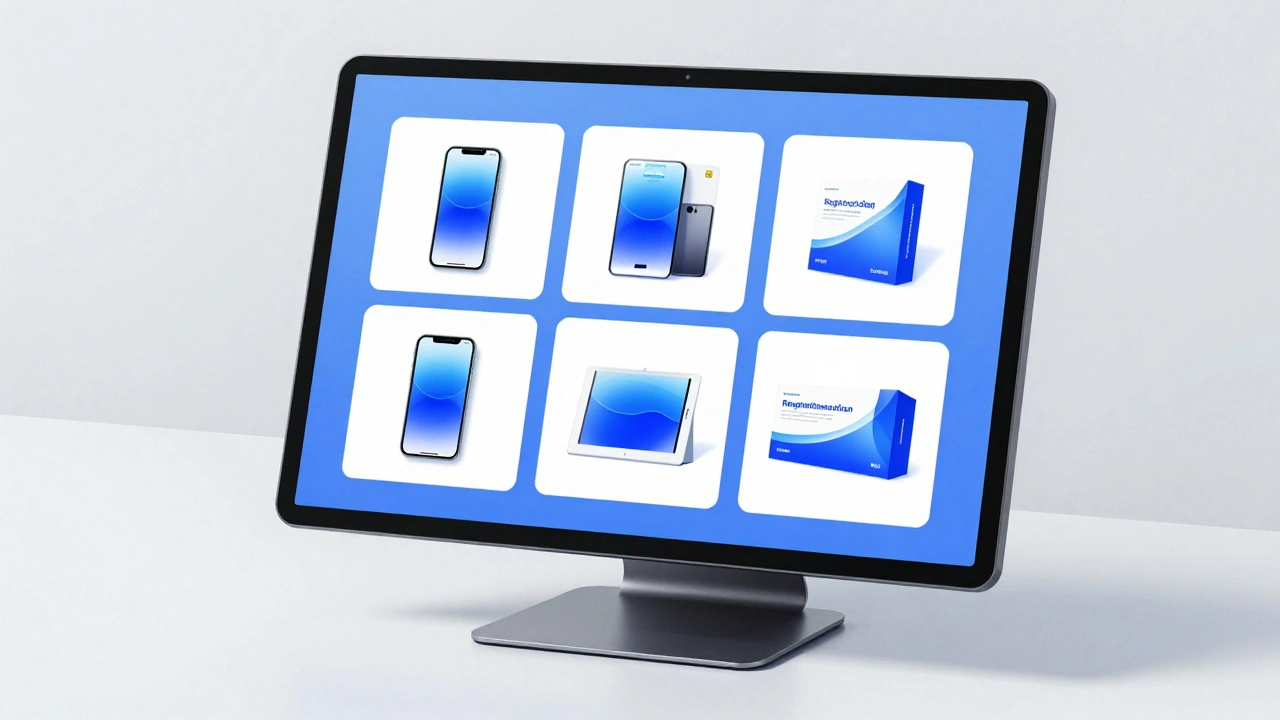
Unlike UDR, RDR protects both 2D and 3D designs. That means patterns on fabric, logos on packaging, even the shape of a smartphone screen border-all covered. You don’t need to prove copying happened. If someone makes a product that looks substantially similar to yours, you can sue. It’s a lot easier to enforce.
Registration lasts up to 25 years, as long as you renew it every five years. The initial application fee is £60 for one design. If you file multiple designs in one application, you can save money. The process usually takes 1-3 months if there are no objections.
Registered designs are also recognized across the entire UK. And if you file through the UKIPO, you can extend protection to the EU via the Hague System, which covers over 90 countries. That’s critical if you export products or plan to.
Which One Should You Choose?
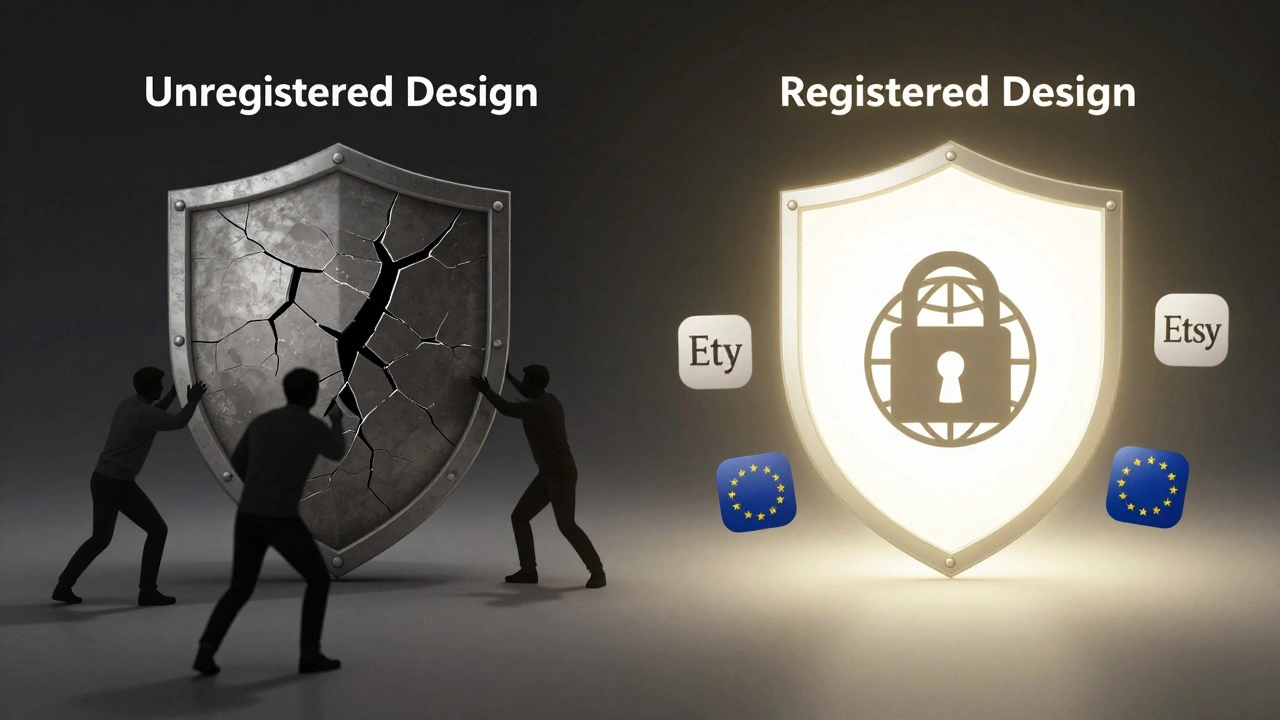
Think of unregistered design right like a seatbelt-it’s there, but it won’t save you in a crash. Registered design is like a full safety cage. Here’s how to decide:
- If your design is simple, cheap to make, and short-lived (like a seasonal gift item), UDR might be enough.
- If your design is central to your brand, expensive to develop, or hard to copy (like a signature product shape), register it.
- If you sell online, internationally, or in retail chains, registration is non-negotiable.
- If you’re worried about competitors copying your look within months, don’t wait-register before launch.
Many companies register only their most important designs. A furniture maker might register their flagship chair but rely on UDR for basic side tables. That’s smart. You don’t need to protect everything. Just protect what matters.
What Happens If Someone Copies You?
If you have a registered design and someone copies it, you can send a cease-and-desist letter. Most infringers back down quickly when they see you hold a registered right. If they don’t, you can sue for damages or an injunction to stop sales.
With unregistered design right, you need to gather evidence: proof of when you created it, who saw it, and how the copy matches yours. That’s expensive and uncertain. Courts don’t assume copying-they require proof. Many small businesses give up here because they can’t afford the legal battle.
One real example: A London-based kitchenware startup created a unique angled spatula handle. They didn’t register it. Three months later, a competitor on Amazon started selling the exact same design. The startup spent £8,000 on legal advice-and lost. No registration meant no enforceable rights.
Common Mistakes to Avoid
Even experienced designers make these errors:
- Showing your design publicly before registering it. Public disclosure kills your chance to register unless you file within 12 months.
- Thinking copyright protects your design. Copyright protects artistic works like drawings or logos, not product shapes.
- Assuming your design is too simple to register. Even minor changes-like a new button placement or ridge pattern-can be registered if they’re original.
- Waiting until you’re being copied to act. By then, it’s too late.
There’s a myth that registration is only for big brands. That’s false. The UKIPO has special provisions for small businesses, including reduced fees and faster processing for micro-enterprises.
How to Register a Design in the UK
Here’s the simple process:
- Create clear visual representations: Use high-quality photos or drawings from six angles (front, back, top, bottom, left, right).
- Fill out Form DF1 online through the UKIPO website.
- Pay the fee: £60 for one design, £35 for each additional design in the same application.
- Wait for examination. The UKIPO checks for originality and novelty, not functionality.
- If approved, you’ll get a certificate. Your design is now protected.
You can file for multiple designs in one application. That’s how small brands stretch their budget. You can also file internationally later using the Hague System.
What You Can’t Protect
Not everything counts as a design:
- Parts of a product that must fit another part (like a USB plug)
- Designs that are offensive or go against public policy
- Methods or principles of construction
- Surface decoration that’s purely functional (like a non-slip grip on a tool)
If your design is tied to a technical function, you might need a patent instead. But if it’s purely aesthetic, design rights are your best bet.
Why This Matters in 2025
Online marketplaces like Amazon and Etsy are flooded with copycat products. In 2024, UKIPO reported a 42% increase in design infringement claims from small businesses. Most of these cases were won by those who had registered their designs.
Consumers now buy based on look and feel. A distinctive design builds brand loyalty. If you don’t protect it, someone else will profit from your creativity.
Design rights are not a luxury. They’re a business tool. For makers, artisans, product designers, and small manufacturers, they’re as essential as trademarks or copyrights.
Final Tip: Act Before You Launch
Don’t wait for a copycat to appear. File your registered design before you post photos online, attend a trade show, or list your product on a website. The moment you make it public, the clock starts ticking on your ability to register it.
It’s not expensive. It’s not complicated. And it’s the only way to make sure your design stays yours.
Can I protect a design that’s already been sold?
Yes, but only if you file for registered design protection within 12 months of first selling or publicly showing the design. After that, it’s no longer considered new, and you lose the right to register it. Unregistered design rights still apply, but they’re much weaker.
Does UK design protection work in the EU?
After Brexit, UK registered designs only cover the UK. To protect your design in the EU, you must file separately through the European Union Intellectual Property Office (EUIPO) or use the Hague System, which allows you to file one application covering multiple countries, including the EU.
How long does it take to get a registered design in the UK?
If there are no objections, the UK Intellectual Property Office usually grants a registered design within 1 to 3 months. You can request an accelerated examination for an extra fee if you need it faster.
Can I register a design that’s based on an existing product?
Only if your changes are original and not obvious. The design must be new and have individual character. For example, adding a small decorative ridge to a standard bottle won’t qualify. But redesigning the entire bottle into a unique ergonomic shape might.
What’s the difference between design rights and copyright in the UK?
Copyright protects artistic works like drawings, paintings, and written content. Design rights protect the shape or appearance of manufactured products. If you draw a chair, copyright protects the drawing. If you make the chair, design rights protect the physical object’s look. They’re different tools for different things.