 by
by Electronic Signatures in the UK: Are They Legally Binding?
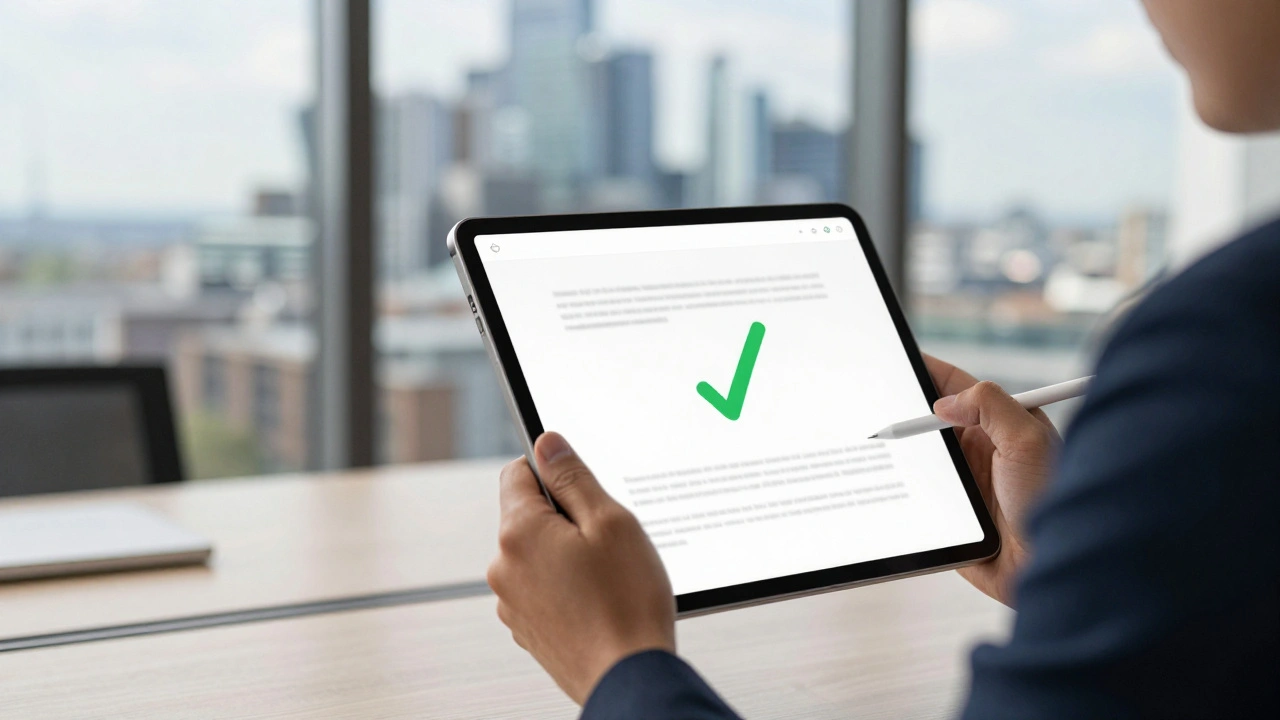
28 May, 2026Imagine you are closing a deal with a client in London. You send over the contract via email, they sign it on their iPad, and you hit reply. Is that signature actually binding? For years, businesses hesitated because the rules felt murky. But as of 2026, the answer is a resounding yes-provided you understand the specific legal framework governing electronic signatures in the United Kingdom.
The landscape shifted dramatically after Brexit. The UK no longer automatically follows EU regulations, but it didn't abandon them either. Instead, it created its own version of the European Union's eIDAS Regulation. If you are doing business in the UK today, knowing the difference between a simple click-to-agree and a qualified electronic signature is the difference between a smooth transaction and a costly legal dispute.
The Legal Framework: From eIDAS to UK-eIDAS
To understand why your digital signature holds weight, we have to look at the law. Before January 1, 2021, the UK followed the EU's eIDAS (Electronic Identification, Authentication and Trust Services) Regulation. This was a comprehensive set of rules that standardized how digital identities and signatures worked across Europe.
When the UK left the EU, the government retained these rules through the European Union (Withdrawal) Act 2018. However, they renamed it the "UK-eIDAS Regulation." The core principles remain identical. The Electronic Communications Act 2000 also plays a role here, establishing that electronic communications can be used in legal proceedings just like paper ones. The key takeaway for you is this: UK courts recognize electronic signatures. There is no statutory requirement for a wet-ink signature unless a specific piece of legislation says otherwise.
Does the UK still follow EU eIDAS rules?
The UK has adopted a domestic version called UK-eIDAS. While the rules are largely similar to the EU's eIDAS, they are now separate legal frameworks. Businesses should check if cross-border recognition agreements are in place for specific services.
Three Levels of Digital Signatures
Not all electronic signatures are created equal. Under UK-eIDAS, there are three distinct categories. Knowing which one you need depends entirely on the risk level of the document you are signing.
- Simple Electronic Signature: This is the most basic form. It includes pasting an image of your handwritten signature into a Word document, typing your name at the bottom of an email, or checking a box that says "I agree." These are legally valid for most everyday contracts, such as employment agreements, sales orders, and service level agreements (SLAs).
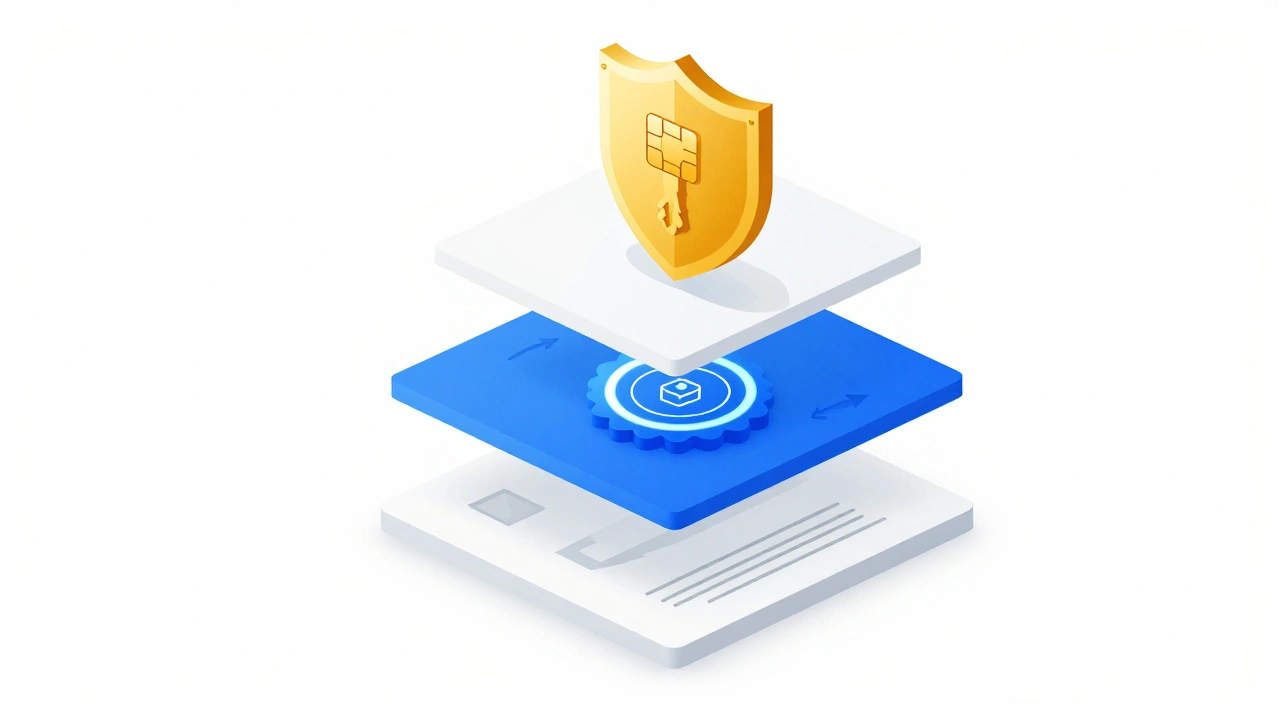
- Advanced Electronic Signature (AES): An AES must be uniquely linked to the signatory, capable of identifying the signatory, created using means under the signatory's sole control, and linked to the data so that any subsequent change is detectable. Think of this as a signature generated by a reputable platform like DocuSign or Adobe Sign, where the system logs who signed, when, and from which IP address.
- Qualified Electronic Signature (QES): This is the gold standard. It requires a qualified certificate issued by a trusted provider and uses a secure signature creation device (like a smart card). A QES has the equivalent legal effect of a handwritten signature in all circumstances. You typically only need this for high-value real estate transactions or documents specifically mandated by public authorities.
For 95% of business transactions, a Simple or Advanced Electronic Signature is sufficient. Using a QES for a routine vendor agreement is overkill and adds unnecessary friction.
When You Cannot Use an Electronic Signature
While the law is flexible, it is not universal. There are specific scenarios where UK law insists on a traditional wet-ink signature or a formal deed executed in a specific way. Ignoring these exceptions can render your contract void.
- Deeds: In English law, certain documents must be executed as deeds, such as property transfers or guarantees. Traditionally, this required physical presence, witnessing, and delivery. While some digital platforms now support "deed execution," you must ensure the process meets strict formalities regarding witnessing and intent to be bound.
- Wills and Codicils: The Wills Act 1837 requires a will to be in writing, signed by the testator, and witnessed by two people present at the same time. Currently, electronic signatures are generally not accepted for wills in the UK. The Law Commission has proposed reforms, but as of 2026, stick to paper for last wishes.
- Certain Court Documents: Some procedural documents filed with HM Courts & Tribunals Service may require specific formatting or authentication methods that go beyond a standard e-signature.
- Divorce Papers: Certain family law documents require physical signatures and court filings that do not yet accept purely electronic execution without additional verification steps.
If you are unsure whether your document falls into one of these categories, consult a solicitor. The cost of legal advice is far less than the cost of having a critical document declared invalid.
Best Practices for Implementing E-Signatures
Choosing the right technology is only half the battle. How you implement the process determines whether you can prove the signature's authenticity later. Here is how to build a robust digital signing workflow.
Verify Identity Before Signing
A signature is only as good as the identity behind it. For low-risk documents, email verification might suffice. The signer receives a link, clicks it, and signs. For higher-stakes contracts, use multi-factor authentication (MFA). Require the signer to enter a code sent to their phone or verify their identity through a government ID scan. This creates a clear audit trail linking the person to the action.
Maintain a Comprehensive Audit Trail
In a dispute, the question isn't usually "Did they sign?" It is "Who signed, when, and did they alter the document afterward?" Your e-signature platform must generate an immutable audit trail. This log should include:
- The IP address of the signer.
- The timestamp of each action (viewed, signed, declined).
- Details of the device used.
- Proof that the document hash remained unchanged after signing.
Ensure Consent and Clarity
Make sure the signer knows they are entering into a binding agreement. Avoid burying the signature line at the end of a 50-page PDF without context. Use clear language like "By clicking below, you agree to the terms above." Some platforms allow you to add initialing fields for key sections, which helps prove that the signer read and acknowledged specific clauses, not just the final page.
Choose Compliant Providers
Not all e-signature tools are equal. Ensure your provider complies with UK GDPR and data protection laws. Since personal data is processed during the signing event (names, emails, IPs), you need a processor that offers strong security guarantees. Look for providers based in the UK or those with explicit UK data residency options to avoid cross-border data transfer complications.
Cross-Border Considerations
Global business rarely stops at borders. If you are signing contracts with parties in the EU, US, or Asia, compatibility becomes crucial.
The UK and EU currently maintain mutual recognition arrangements for trust services, meaning a Qualified Electronic Signature issued in Germany is generally recognized in the UK, and vice versa. However, political shifts can affect this. Always check the current status of adequacy decisions and mutual recognition agreements.
For US counterparts, the ESIGN Act and UETA govern electronic signatures. These laws are broadly compatible with UK-eIDAS. A signature valid under UK law will almost always hold up in US courts, provided the document itself is governed by a jurisdiction that accepts e-signatures. Include a clause in your contract stating that the parties agree to use electronic signatures and that they waive any right to demand wet-ink copies.
Common Pitfalls to Avoid
Even with the best intentions, mistakes happen. Here are the most common errors that undermine electronic signature validity:
- Signing on Behalf of Another Without Authority: If John Smith signs a contract for "Acme Corp," he must have the authority to do so. If he doesn't, the company may not be bound. Clarify roles in the signature field (e.g., "John Smith, Director of Acme Corp").
- Altering the Document After Signing: If you receive a signed PDF and then edit it-even to fix a typo-the digital signature breaks. The cryptographic seal detects changes. Always finalize the document before sending it for signature.
- Ignoring Accessibility: Ensure your signing process is accessible to users with disabilities. If a signer cannot complete the process due to poor design, they may claim duress or lack of informed consent.
- Failing to Archive Properly: Storing signed contracts in shared drives without proper access controls risks tampering. Use dedicated contract lifecycle management (CLM) systems or secure cloud storage with version history enabled.
The Future of Digital Signing in the UK
As we move further into 2026, the integration of artificial intelligence and blockchain into e-signature platforms is accelerating. AI can help analyze contracts for risk before they are signed, while blockchain provides an extra layer of immutability for the audit trail. The UK government continues to push for digital transformation in public services, which means more opportunities for Qualified Electronic Signatures in areas like tax filing and business registration.
For businesses, the message is clear: embrace digital signing, but do so intelligently. Understand the hierarchy of signatures, respect the legal exceptions, and prioritize security and auditability. By doing so, you turn a potential legal vulnerability into a competitive advantage, speeding up deals and reducing administrative overhead.
Is a scanned handwritten signature legally valid in the UK?
Yes, a scanned image of a handwritten signature attached to a digital document is considered a simple electronic signature. It is legally valid for most commercial contracts, though it offers less security and auditability than advanced e-signature solutions.
Can I use an electronic signature for employment contracts?
Absolutely. Employment contracts are routinely signed electronically in the UK. Ensure you provide the employee with a written statement of particulars, which can also be delivered digitally, within the required timeframe.
What happens if someone denies signing a digital document?
If you used an advanced or qualified e-signature service, you can produce the audit trail showing IP addresses, timestamps, and identity verification steps. This evidence is admissible in court and usually sufficient to prove the signature's authenticity.
Do I need a witness for electronic signatures?
Generally, no. Most commercial contracts do not require witnesses. However, if you are executing a deed or certain property documents, a witness may be required. Some e-signature platforms offer virtual witnessing features that comply with legal requirements.
Are electronic signatures secure against fraud?
They can be very secure if implemented correctly. Advanced e-signatures use encryption and unique identifiers to prevent forgery. Simple signatures (like typed names) are less secure. Always use reputable platforms that offer identity verification and tamper-evident seals for important documents.