 by
by Export Strategy for UK SMEs: Priorities, Focus Markets, and Roadmaps
16 Mar, 2026UK small and medium-sized enterprises (SMEs) are sitting on a goldmine of potential. Over 99% of UK businesses are SMEs, and yet fewer than 10% export. That’s not because they lack quality products or skilled teams-it’s because they don’t know where to start. Exporting isn’t just about sending goods overseas. It’s about building relationships, understanding regulations, and picking the right markets at the right time. If you’re a UK SME wondering how to break into international trade, this guide cuts through the noise and gives you a clear, actionable path.
Start with Your Export Priorities
Before you pick a country or sign a shipping contract, ask yourself: Why are you exporting? Too many SMEs jump into export because they see a competitor doing it, or because a trade show rep told them it’s "the future." That’s not strategy-that’s guesswork. Your export priorities should be tied to your business goals. Are you trying to:- Reduce dependence on the UK market after Brexit volatility?
- Scale revenue without hiring 20 more staff?
- Access raw materials or components cheaper abroad?
- Build brand recognition in high-value markets?
Focus Markets: Where UK SMEs Actually Win
Not all markets are created equal. The EU still accounts for over half of UK exports, but it’s no longer the only play. In 2025, the fastest-growing export destinations for UK SMEs were:- Canada: 28% growth in SME exports. Why? Strong trade ties, similar regulatory standards, and high demand for UK food, tech, and professional services.
- Australia: 31% growth. SMEs in engineering, education tech, and niche manufacturing are thriving here. The UK-Australia FTA (effective 2024) removed tariffs on 99% of goods.
- United Arab Emirates: 42% growth. Dubai and Abu Dhabi are hubs for UK firms in fintech, clean energy, and luxury goods. VAT-free zones and English-speaking business culture lower entry barriers.
- India: 37% growth. Not for mass production, but for high-margin B2B services-UK cybersecurity firms, design consultancies, and legal tech startups are seeing strong demand.
- Japan: 19% growth. Hard to crack, but once you’re in, loyalty is high. UK SMEs in precision engineering, organic food, and veterinary tech are finding niche buyers.
Build a Real Export Roadmap
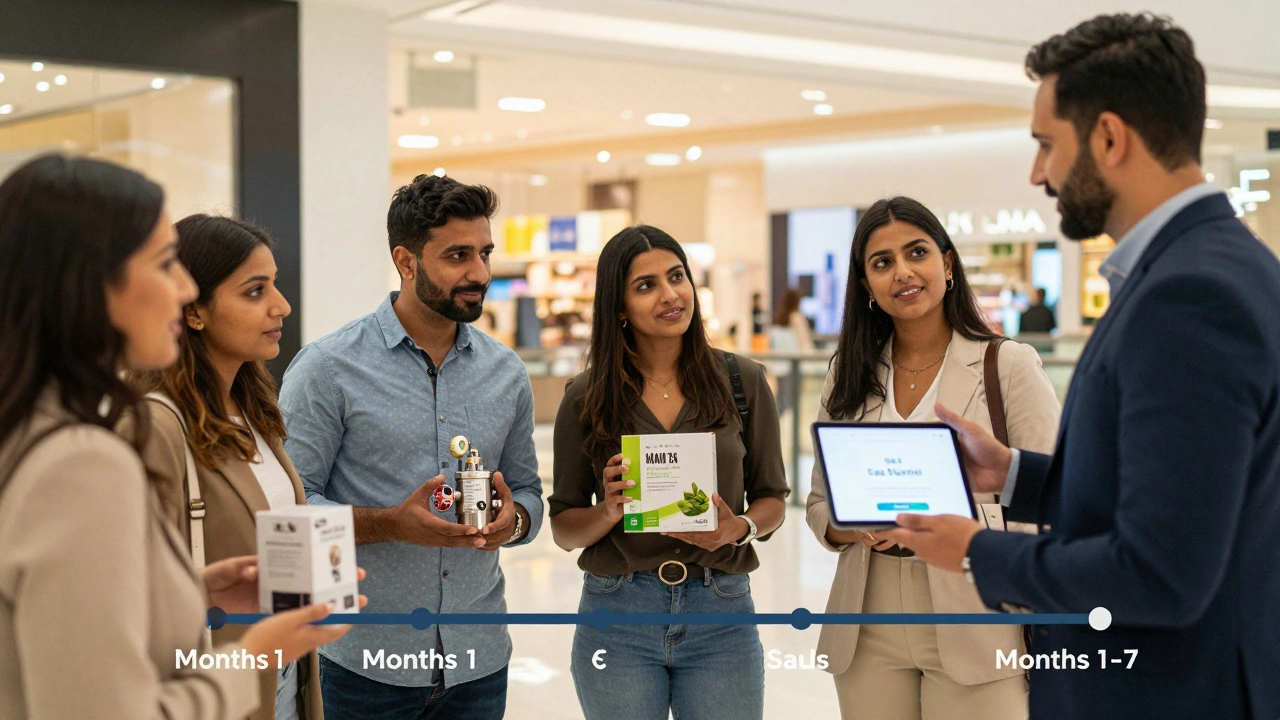
An export roadmap isn’t a PowerPoint slide. It’s a living plan with milestones, budgets, and accountability. Here’s what a working roadmap looks like for a UK SME:- Month 1-2: Market Validation-Use UK Export Finance’s free market reports. Talk to three existing customers who have overseas clients. Ask: "Where else do you buy similar products?" Don’t guess-ask.
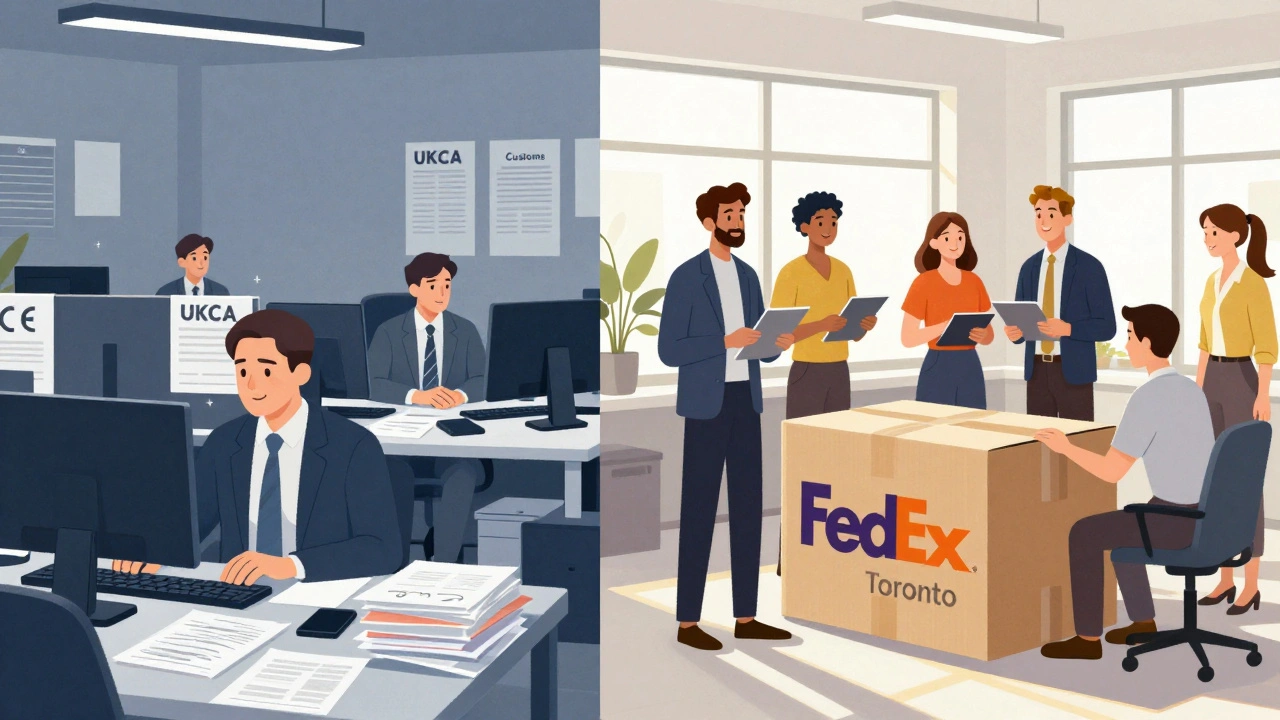
- Month 3: Regulatory Check-Check if your product needs CE, UKCA, or another certification. For food, check FSA and local food safety rules. For tech, look at GDPR equivalents. Many SMEs get stuck here because they assume EU rules apply everywhere. They don’t.
- Month 4: Test with One Market-Don’t launch everywhere. Pick one country and run a 90-day pilot. Use Amazon Global Selling, Etsy International, or a local distributor. Track conversion rates, returns, and customer feedback.
- Month 5-6: Logistics & Payment Setup-Use a freight forwarder with UK export experience. Avoid DDP (Delivered Duty Paid) unless you’re confident in customs. Use PayPal Business or Wise for cross-border payments. Never accept letters of credit without legal review.
- Month 7: Scale or Pivot-If your pilot hit 15% profit margin and repeat orders, scale. If not, figure out why. Was it pricing? Packaging? Language? Don’t double down on failure.
Common Mistakes UK SMEs Make
Here’s what goes wrong-and how to avoid it:- Mistake: Assuming "English-speaking" means "easy." Canada and Australia have different tax rules, consumer laws, and even packaging requirements. Australia requires bilingual labeling for some products. Canada mandates metric units.
- Mistake: Shipping without insurance. A shipment lost in transit isn’t just a loss-it’s a broken relationship. Use UK Export Finance’s insurance products. They cover up to 95% of value.
- Mistake: Ignoring cultural nuances. A UK brand using "British humor" in ads in Japan got backlash. Tone matters. Work with local marketers or hire a cultural consultant for $2,000-not $20,000.
- Mistake: Thinking export = more work. Actually, exporting often means less work. One Manchester software company cut their UK sales team by 30% after landing three long-term contracts in Germany. Their clients paid upfront, required no marketing spend, and had higher retention.
Tools and Support You Can Use Right Now
You don’t need a global team. You need the right tools:- UK Export Finance (UKEF): Free market research, insurance, and loan guarantees. Their online export planner takes 20 minutes.
- Department for Business and Trade (DBT): Offers free export advice sessions with trade advisers. Book one via their website.
- GOV.UK Exporting Guide: Updated in January 2026. Covers tariffs, customs codes, and Brexit trade rules.
- World Trade Center Network: Many UK chambers of commerce are members. They host trade missions and connect you with vetted overseas buyers.
- Trade Associations: Join your industry group. The British Chambers of Commerce and Make UK offer export webinars, templates, and legal checklists.
Next Steps: What to Do This Week
If you’re serious about exporting, do this:- Log into GOV.UK Exporting and run your product through their self-assessment tool.
- Call your local chamber of commerce. Ask: "What export support do you offer SMEs?" Most offer free first consultations.
- Identify one customer who already buys from you and asks: "Do you ship to [country]?" That’s your first market.
- Set a 60-day goal: "I will export one product to one new market by [date]." Write it down.
Do I need to register my business overseas to export?
No, you don’t need to register your business overseas to start exporting. Most UK SMEs sell internationally without setting up a foreign entity. You can use distributors, e-commerce platforms like Amazon or Etsy, or direct online sales. However, if you plan to hold inventory, hire local staff, or open a physical office, you’ll need to register. For most small-scale exporters, start with online sales and revisit registration only if you hit consistent monthly sales over £50,000.
What’s the biggest cost in exporting for SMEs?
The biggest cost isn’t shipping or tariffs-it’s time. Many SME owners spend months researching, filling out forms, and chasing unclear regulations. That’s why free support from UK Export Finance and local chambers of commerce is so valuable. Financially, customs duties and payment processing fees are the next biggest costs. But with the right tools, these can be managed. For example, using Wise for cross-border payments cuts fees by up to 70% compared to traditional banks.
Can I export services, not just products?
Absolutely. Services are one of the fastest-growing export categories for UK SMEs. Think software-as-a-service (SaaS), legal consulting, design, training, and digital marketing. The rules are different-no customs, no shipping-but you still need to understand local tax laws (like VAT in the EU or GST in Australia) and data privacy rules (like Canada’s PIPEDA). Many UK firms now earn more from digital services than physical goods.
How do I handle returns from overseas customers?
Returns are tricky, but manageable. First, set clear return policies upfront. For physical goods, offer a prepaid return label only if the item is defective. For high-value items, use a local returns partner in the target country-this cuts costs by up to 60%. For digital services, refunds are usually handled through your payment processor. Always document the reason for returns. This data helps you improve packaging, product descriptions, and even product design.
Is Brexit still a barrier for UK exporters?
Brexit changed the rules, but it’s no longer the main barrier. The UK-EU Trade and Cooperation Agreement (TCA) removed tariffs on most goods. The real challenges now are paperwork (CE/UKCA labels, customs declarations) and delays at ports. These are solvable with the right logistics partner. Many SMEs now use automated customs software like Tradeshift or Zonos, which cut declaration time from hours to minutes. The bigger issue is not Brexit-it’s not knowing the updated rules.