
 by
by Go-to-Market Models for UK Startups: Direct, Channel, and Hybrid Approaches
2 Dec, 2025Getting your product in front of the right customers in the UK isn’t just about having a great idea. It’s about how you reach them. Too many UK startups fail not because their product is weak, but because their go-to-market strategy is misaligned with the market. Whether you’re selling SaaS to SMEs, hardware to retailers, or subscription services to consumers, your choice of go-to-market model can make or break your growth. There are three main paths: direct sales, channel sales, and hybrid models. Each has trade-offs in cost, speed, control, and scalability. Choosing the wrong one can drain your cash and waste months-maybe years-of effort.
Direct Sales: Own the Relationship, Own the Cost
Direct sales means your team sells straight to the customer. No middlemen. No partners. Just you, your sales reps, and the buyer. This model works best when your product is complex, expensive, or requires deep customization. Think enterprise SaaS, medical devices, or B2B automation tools.
In the UK, direct sales is common among tech startups targeting mid-sized businesses in London, Manchester, and Edinburgh. These companies often have long sales cycles-3 to 9 months-and need demos, pilot programs, and contract negotiations. A startup selling a compliance platform to UK financial firms might need to meet with legal teams, IT heads, and procurement officers. That’s not something you can outsource easily.
The upside? You control every touchpoint. You learn exactly what customers care about. You build relationships that lead to upsells and referrals. Companies like Revolut and Monzo used direct sales early on to refine their offerings before scaling.
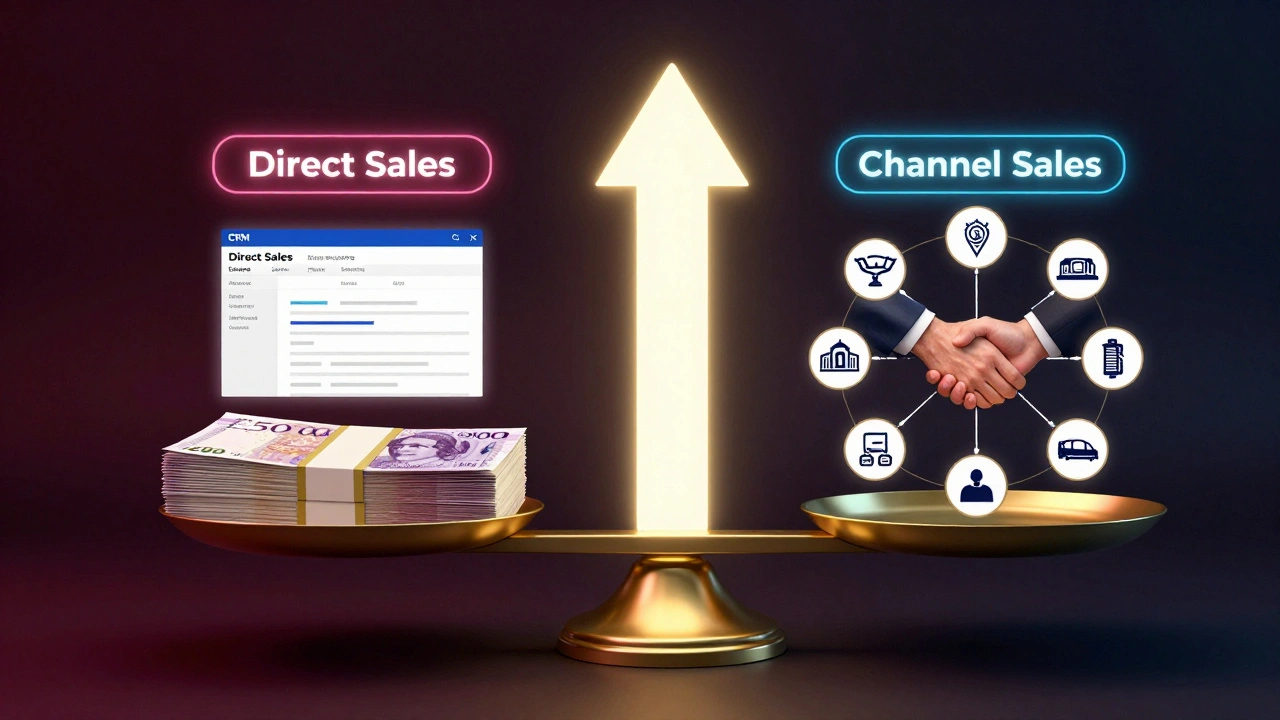
The downside? It’s expensive. Hiring even one experienced sales rep in the UK costs £50,000 to £80,000 a year including salary, commission, and tools. Add in travel, CRM software, and training, and you’re looking at £100,000+ per rep annually. Most startups can’t afford more than two or three reps in the first year. Growth is slow, and burn rate is high.
Channel Sales: Leverage Existing Networks
Channel sales means working through third parties-resellers, distributors, agencies, or platforms-to reach customers. Instead of building your own sales team, you empower others to sell for you. This is common in hardware, software, and services where the product fits into an existing ecosystem.
For example, a UK startup selling smart warehouse sensors might partner with a logistics software provider like SAP or Oracle. Their sales team already talks to warehouse managers. You give them a margin, training, and co-marketing materials. They close the deal, and you get a slice of the revenue-usually 20% to 40%.
Channel sales cuts your customer acquisition cost dramatically. You don’t need to hire salespeople in every region. You tap into networks that already have trust, contracts, and access. A startup in Bristol selling eco-packaging to supermarkets used a distributor with existing relationships with Tesco and Sainsbury’s. Within six months, they were in 200 stores-something that would’ve taken two years with direct sales.
But there’s a catch. You lose control. Your partner’s sales team might push their own products first. They might not understand your product deeply. If they’re busy with bigger clients, your startup gets sidelined. And if the channel partner changes strategy-or gets acquired-you could lose your entire sales pipeline overnight.
UK startups using channel sales need strong partner management. That means clear onboarding, regular training, shared KPIs, and incentives that align with your goals. Don’t just hand over a PDF and hope for the best.
Hybrid Models: The Best of Both Worlds
Most successful UK startups don’t pick just one model. They blend them. This is called a hybrid go-to-market strategy. You use direct sales for high-value, complex deals. You use channel partners for volume, repeatable, or regional sales.
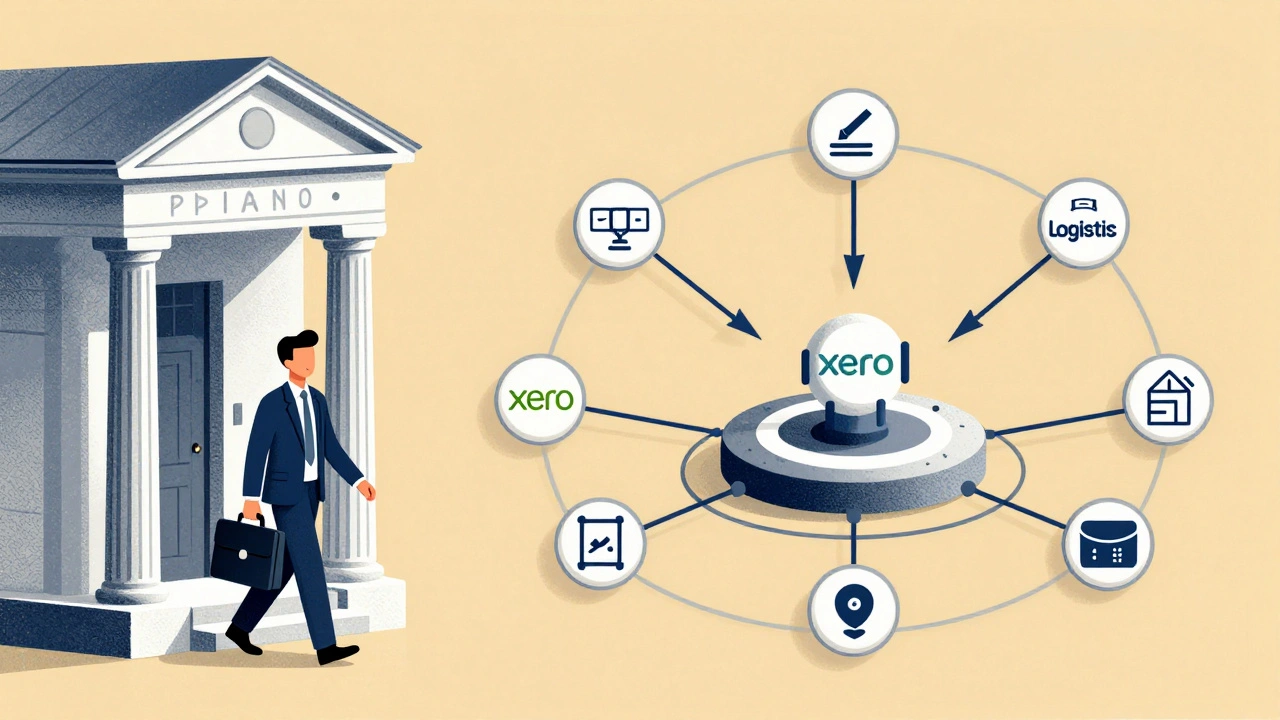
Take a UK fintech startup offering business loans to small shops. They use direct sales to close deals with regional banks and credit unions-those require legal review and integration. But for individual shop owners, they partner with accounting software providers like Xero and QuickBooks. When a small business signs up for accounting software, they see a pop-up: “Need a loan? Get approved in 24 hours.” That’s automated, low-touch, high-volume.
Another example: a cybersecurity startup selling to UK schools. They sell directly to local education authorities (complex, high-ticket). But for individual schools with limited budgets, they work with IT resellers who bundle their software with hardware and support.
Hybrid models let you scale faster without burning cash. You don’t need 50 sales reps. You need 5 direct reps and 3 strong channel partners. You keep control where it matters, and delegate where it doesn’t.
But hybrid models are harder to manage. You’re juggling two different sales engines. Your direct team might resent partners taking “their” customers. Your channel partners might feel neglected. You need clear segmentation rules: Who qualifies for direct sales? Who goes to partners? What’s the handoff process?
Successful hybrids use CRM data to track which leads come from which channel. They set revenue targets for each path. And they reward both teams fairly. If a partner brings in a £100,000 deal, they get their cut-but the direct rep who nurtured the relationship gets a bonus too.
How to Choose the Right Model for Your Startup
There’s no universal best model. Your choice depends on four things: your product, your customer, your budget, and your speed goal.
- Product complexity: If it takes more than 15 minutes to explain, go direct. If it’s a simple subscription, use channels.
- Customer size: Selling to enterprises? Direct. Selling to small businesses or consumers? Channel or self-serve.
- Funding: If you have £500K+ in runway, direct sales can work. If you’re bootstrapped, start with channels.
- Speed to revenue: Need sales in 90 days? Channels win. Willing to wait 6-12 months? Direct gives you deeper insights.
Here’s a simple test: Ask yourself-would a customer buy this product without talking to anyone? If yes, you can use self-serve or channel. If no, you need direct sales.
Most UK startups start with direct sales because founders think they can do it better. But that’s often a mistake. Founders are product experts, not salespeople. They burn out. They miss signals. They waste money.
A better approach: Test both. Run a 3-month pilot. Hire one direct rep. Sign one channel partner. Track which brings in more revenue with less cost. Then double down.
Pitfalls to Avoid
Startups make the same mistakes over and over:
- Going direct too early: Hiring a sales team before you’ve nailed product-market fit is like building a highway before you know where people want to go.
- Over-relying on one channel: If your only partner is Amazon or Shopify, you’re one policy change away from disaster.
- Ignoring customer feedback from channels: If your channel partner says customers are confused about pricing, don’t blame them. Fix the message.
- Not aligning incentives: If your channel partner gets paid per sale but you want them to upsell, you’ll get sales-not loyalty.
Also, UK regulations matter. If you’re selling to public sector clients, you need to comply with Crown Commercial Service rules. If you’re using distributors, you must follow UK Competition Act guidelines. Don’t assume your US or EU model works here.
Real Example: A UK SaaS Startup’s Journey
A Manchester-based startup built a tool that helps UK restaurants manage staff rotas and compliance. Early on, they tried direct sales. They hired two reps. After 8 months, they had 12 clients. Burn rate: £120,000. Revenue: £60,000.
They switched to hybrid. They kept one rep for large chains like Pret and Greggs. They partnered with two restaurant POS providers-Square and Lightspeed-who already served 5,000 UK locations. They gave them a 30% revenue share and co-branded marketing.
Within 5 months, they added 320 new customers through channels. Revenue jumped to £280,000. Burn rate dropped by 60%. They didn’t fire their sales team-they repurposed them to train partners and handle enterprise deals.
That’s the power of hybrid.
What Comes Next?
Once you’ve picked your model, don’t set it and forget it. Markets change. Customers evolve. New competitors emerge.
Every six months, ask:
- Which channel is delivering the highest LTV customers?
- Are our direct reps spending time on leads that could be handled by partners?
- Are our partners still motivated? Are they getting the support they need?
- Is our pricing model working across all channels?
Go-to-market isn’t a one-time decision. It’s a living system. The best UK startups treat it like a product-constantly testing, optimizing, and adapting.
What’s the fastest way for a UK startup to get its first 100 customers?
The fastest path is usually through channel partners who already have access to your target customers. For example, partnering with a software platform your customers already use-like Xero, Shopify, or Microsoft 365-lets you tap into their existing user base. You can often get live leads within weeks, without hiring sales staff or running expensive ads. Direct sales takes months to scale; channels can deliver results in 30 to 60 days.
Can I use both direct and channel sales at the same time?
Yes, and most successful UK startups do. The key is clear segmentation. Define which customers go to direct sales (e.g., enterprises with complex needs) and which go to partners (e.g., small businesses with standard needs). Use your CRM to track lead sources and avoid overlap. If a channel partner brings in a large account, consider sharing credit or revenue with your direct team to keep morale high.
How much does it cost to run a direct sales team in the UK?
A single sales rep in the UK typically costs £60,000 to £90,000 per year, including salary, commission, tools (CRM, email software), travel, and training. For a team of three, that’s £200,000+ annually. Most early-stage startups can’t afford this unless they’ve raised at least £500,000. That’s why many start with channels and scale direct sales later.
What’s the biggest mistake UK startups make with go-to-market?
The biggest mistake is assuming their product is so good it will sell itself. Even the best products need a clear path to customers. Founders often pick direct sales because they believe they can do it better-but they lack sales experience. The result? Wasted time, cash, and missed market opportunities. The smarter move is to test multiple models early and let data decide.
Are there UK-specific rules for channel sales?
Yes. The UK Competition and Markets Authority (CMA) has strict rules against exclusive distribution agreements that block competition. Also, if you’re selling to public sector clients, you must follow Crown Commercial Service (CCS) procurement rules. Always get legal advice before signing channel agreements. Avoid clauses that limit a partner’s ability to sell competing products unless you’re offering exclusive rights in return.
Choosing your go-to-market model isn’t about being clever. It’s about being realistic. Your product matters. But how you reach customers matters more. Start small. Test fast. Adapt faster.