 by
by How to Convert UK Networking Contacts into Meetings in 2026
23 Aug, 2026Most professionals make the same mistake after a busy conference or industry mixer: they wait too long. In the UK, where business etiquette leans heavily on politeness and subtlety, a delayed email can feel like a lack of interest rather than just busyness. If you want to turn those exchanged business cards into actual revenue, your follow-up strategy needs to be precise, timely, and culturally attuned.
The goal isn't just to stay in touch; it's to move the relationship from "acquaintance" to "colleague" as quickly as possible without appearing pushy. This requires understanding the specific rhythms of British business culture and leveraging digital tools effectively.
Why Timing Is Everything in British Business Culture
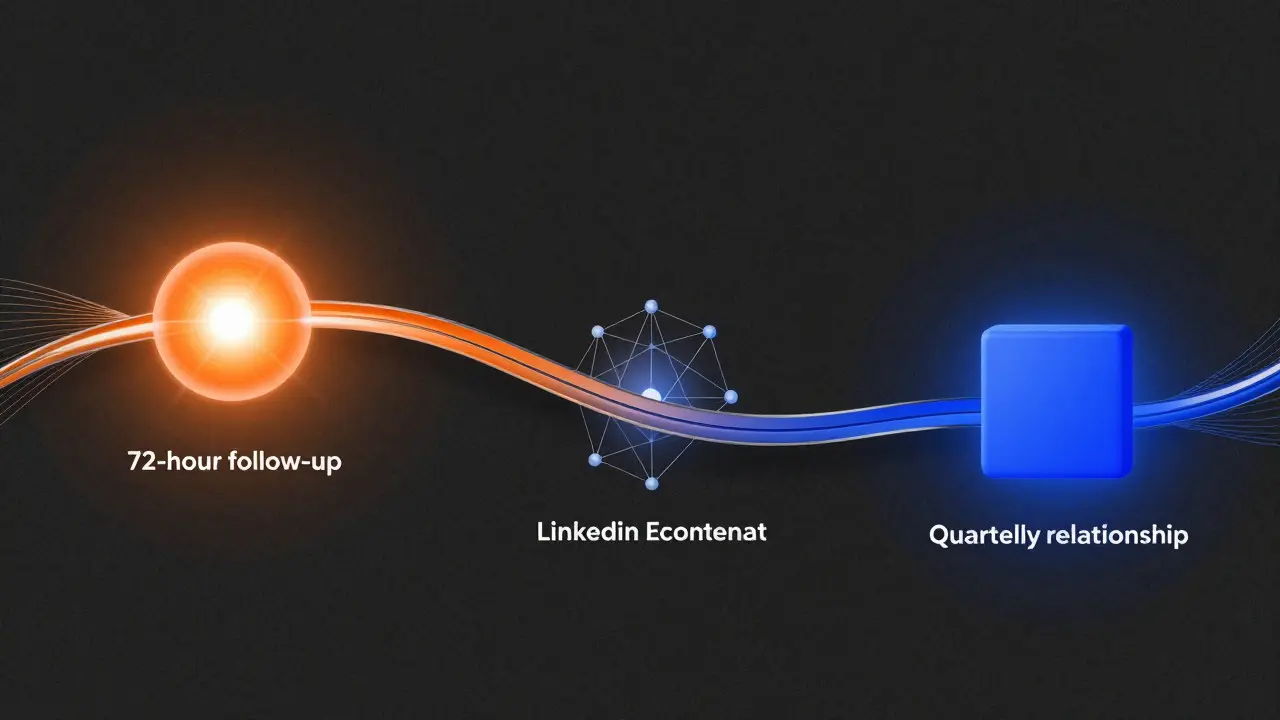
In many parts of the world, following up within 48 hours is standard. In the UK, the window is tighter. The golden rule here is the "72-hour rule." You should send your initial follow-up message within three days of meeting someone. Why? Because the context of your conversation is still fresh for both parties. After week one, the mental link between your name and the specific problem you discussed starts to fade.
However, timing isn't just about speed; it's about rhythm. British professionals often value discretion. A barrage of emails can be perceived as aggressive. Instead, aim for a structured cadence:
- Day 1-3: Personalized thank-you note referencing a specific detail from your chat.
- Week 2: Value-add message (sharing an article, a relevant case study, or introducing a contact).
- Month 1: Soft check-in or invitation to a low-commitment event.
- Quarterly: Strategic outreach if no meeting has occurred yet.
This approach respects their time while keeping you top-of-mind. It shows you are organized and respectful of their boundaries, which are highly valued traits in UK professional circles.
Crafting the Perfect First Follow-Up Email
Your first email sets the tone. Avoid generic templates that look like they were sent to 50 people at once. The recipient needs to know exactly who you are and why they should care. Start with a subject line that triggers recognition. Something like "Great chatting about [Specific Topic] at [Event Name]" works well. It’s direct and reminds them of the shared context.
In the body, keep it under 150 words. British business writing tends to be concise. Here is a simple structure that works:
- The Hook: Mention a specific detail from your conversation. Not "It was nice to meet you," but "I’ve been thinking about what you said regarding supply chain delays in the North..."
- The Value: Briefly explain how you can help solve that specific issue or add value to their current project.
- The Call to Action (CTA): Ask for a short, specific time commitment. "Do you have 15 minutes next Tuesday for a quick call?" is better than "Let me know when you're free."
Avoid asking for a "meeting" immediately if the relationship is new. A "quick call" or "coffee chat" feels less formal and lower risk. Once you secure that small interaction, the path to a formal business meeting opens up naturally.

Leveraging LinkedIn for Warm Connections
Email is powerful, but LinkedIn acts as the social proof layer. Before you even send that first email, ensure you have connected on LinkedIn. When you connect, include a note. Don't leave it blank. Write: "Hi [Name], great meeting you at [Event]. Looking forward to staying in touch."
Once connected, engage with their content. If they post about a challenge in their industry, leave a thoughtful comment. This keeps your name visible in their feed without demanding their immediate attention. In the UK, where trust is built over time, this passive visibility is crucial. It signals that you are active in your field and genuinely interested in their work, not just their wallet.
If you haven't met in person but identified a key decision-maker through mutual contacts, LinkedIn becomes your primary tool. Use it to research their recent projects, hiring trends, or company news. This preparation allows you to tailor your outreach with precision, showing you’ve done your homework.
Turning Conversations into Concrete Meetings
So, how do you actually get them to say yes to a meeting? You need to lower the barrier to entry. Many potential clients hesitate because they fear a long, drawn-out sales pitch. Counter this by offering clarity and brevity.
When proposing a meeting, offer three specific time slots rather than open-ended options. Decision fatigue is real. By providing choices, you make it easier for them to commit. For example: "I’m available Tuesday at 10 AM, Wednesday at 2 PM, or Thursday at 9 AM. Does any of those work for you?"
Also, define the agenda upfront. Tell them exactly what will happen during the meeting. "We’ll spend 10 minutes reviewing your current workflow and 10 minutes discussing potential improvements." This transparency builds confidence. They know there won’t be hidden surprises or endless small talk. In the UK, where small talk can sometimes drag on, getting straight to the point (after polite greetings) is appreciated by busy executives.
Common Pitfalls to Avoid
Even with the best intentions, you can sabotage your efforts with cultural missteps. Here are a few traps to watch out for:
- Over-promising: If you think you can help, don’t guarantee results. Use phrases like "potential solution" or "approach we’ve seen work." British professionals appreciate humility and realistic expectations.
- Ignoring Time Zones: If you’re working across regions (e.g., Scotland vs. London), account for local time. Sending an email at 8 AM Scottish time might be 9 AM London time, but if you’re calling, check the difference. It’s a small detail, but it shows respect.
- Using Too Much Jargon: Keep language clear. If you use industry-specific terms, explain them briefly. Clarity is kindness in business communication.
- Following Up Only When You Need Something: Send occasional value-add messages even if you aren’t trying to sell. Share a relevant article or congratulate them on a company milestone. This builds genuine rapport.
Another common error is failing to document interactions. Use a CRM system to track every touchpoint. If you forget what you discussed last month, you’ll sound unprepared. Notes are your safety net.
Measuring Success and Adjusting Your Approach
Not every contact will convert into a client, and that’s okay. But you need metrics to understand what’s working. Track your response rate, meeting booking rate, and conversion rate. If your response rate is low, your subject lines or initial hooks might be too weak. If you get responses but no meetings, your CTA might be too vague or the value proposition unclear.
Adjust based on data. If you find that calls work better than emails for a certain sector, shift your strategy. If LinkedIn engagement leads to more conversations, invest more time there. The UK market is diverse; what works in finance in London might not work in tech in Manchester. Stay flexible and observe what resonates with your specific audience.
Remember, networking is a marathon, not a sprint. Consistency beats intensity. By respecting British business norms, being clear in your communication, and providing genuine value, you’ll transform cold contacts into warm relationships and, ultimately, productive meetings.
How soon should I follow up after meeting someone in the UK?
You should send your initial follow-up within 72 hours. This ensures the conversation is still fresh in their mind while showing you are proactive and organized. Waiting longer than a week can signal a lack of interest.
What is the best way to ask for a meeting without being pushy?
Offer specific, short time slots (e.g., 15 minutes) and define the agenda clearly. Asking for a "quick call" or "coffee chat" feels less formal than a full "business meeting" and lowers the psychological barrier for the recipient.
Should I use LinkedIn or email for the first follow-up?
Use both. Connect on LinkedIn immediately with a personalized note to establish a digital presence, then send a detailed email within 72 hours to provide context and propose a next step. LinkedIn serves as social proof, while email allows for deeper communication.
How do I handle silence after sending a follow-up email?
Wait five to seven business days before sending a gentle second nudge. Keep it brief and add new value, such as sharing a relevant article. If there’s still no response after two attempts, move on and revisit the connection in a quarter.
What cultural nuances should I be aware of in UK business communication?
Value brevity, politeness, and understatement. Avoid overly enthusiastic or salesy language. Be clear about the purpose of your communication and respect their time by keeping emails short and meetings focused.