
 by
by How to Register Your Brand Name for Trademark Protection in the UK
30 Nov, 2025If you’re building a brand in the UK, not registering your name is like leaving your front door wide open. Someone else could legally use your logo, your slogan, even your exact business name - and you’d have zero legal ground to stop them. That’s not speculation. It happens every day. In 2024, over 12,000 trademark disputes were filed in the UK Intellectual Property Office (UKIPO), and nearly half involved businesses that never registered their names in the first place.
Why Trademark Registration Matters in the UK
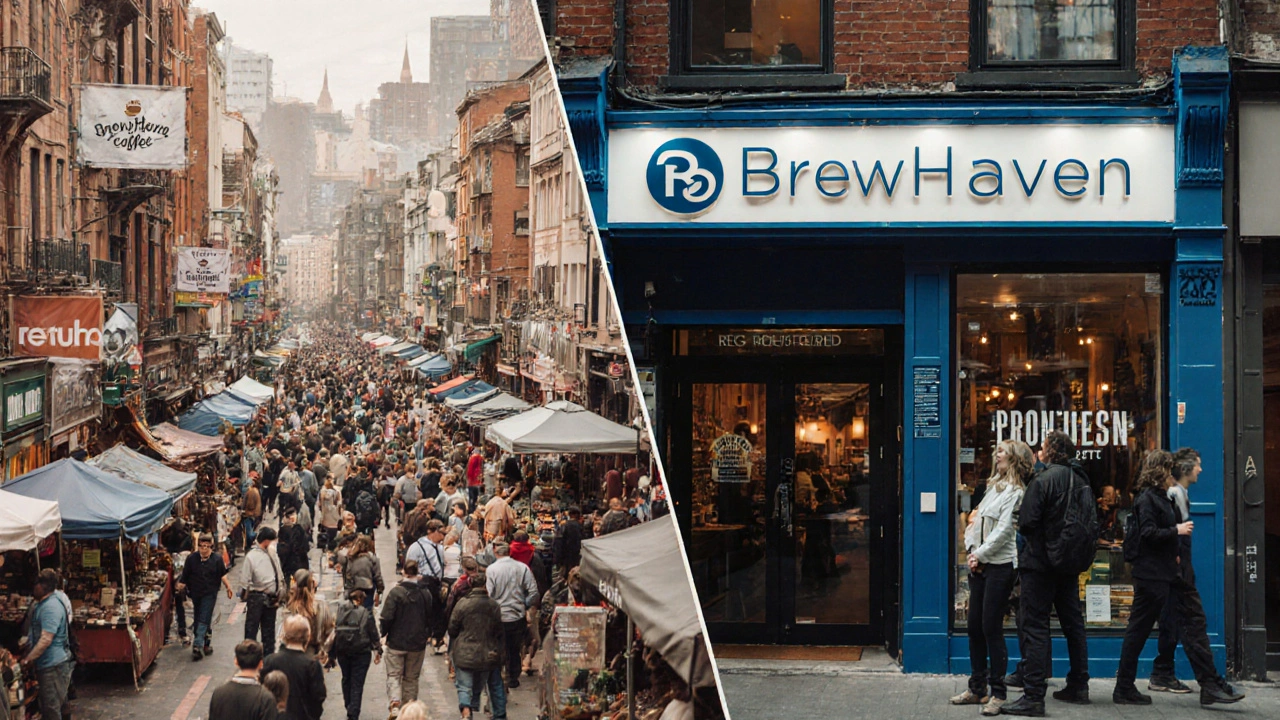
A trademark isn’t just a logo or a fancy font. It’s your brand’s legal identity. Registering it gives you exclusive rights to use that name, logo, or slogan across the UK for the goods or services you offer. Without it, you’re relying on common law rights - which are weak, hard to prove, and only apply in the limited areas where you’ve already built a reputation. Think about it: if you launch a coffee shop called “BrewHaven” in Manchester and someone else opens “BrewHaven” in London next month, they can legally do it - unless you’ve registered the name. Even if you were first, you can’t stop them. That’s not a hypothetical. In 2023, a small London-based skincare brand lost a rebranding battle because they didn’t register their name until after a competitor did. Registration also lets you use the ® symbol, which signals to customers and competitors that you mean business. It’s a deterrent. It’s also required if you want to list your brand on Amazon UK, sell on Etsy, or license your name to a manufacturer.What Can You Register as a Trademark?
Not everything counts. The UKIPO only protects distinctive identifiers. Here’s what works:- Words - like “NakedJuice” or “ZippyBikes”
- Logos - graphic designs, symbols, or stylized fonts
- Colors - if used in a unique way (like Tiffany’s blue)
- Sounds - jingles or audio signatures (like the Intel chime)
- Shapes - product packaging or design (like the Coca-Cola bottle)
- Combination marks - words + logos together
- Generic terms - “Coffee Shop” or “Phone Repair”
- Descriptive names - “FastDeliveryUK” or “BestTennisRackets”
- Offensive or misleading names
- Official symbols - flags, coats of arms, or government emblems
Step-by-Step: How to Register Your Trademark in the UK
The process is straightforward if you know the steps. Here’s how to do it right:- Search for existing trademarks - Go to the UKIPO trademark search tool. Type in your name, logo, or slogan. Look for exact matches and similar ones in your industry. If you see “ZippyBikes” already registered for bicycles, you can’t use it - even if it’s spelled slightly differently.
- Classify your goods or services - Trademarks are tied to specific categories. There are 45 classes. For example, clothing is Class 25, software is Class 9, and consulting services are Class 35. You must pick the right ones. Picking too few leaves gaps. Picking too many wastes money. If you sell handmade candles and offer online workshops, you’ll need Class 3 (cosmetics) and Class 41 (education).
- Prepare your application - You’ll need: your name and address, a clear image of the mark, a list of classes, and a description of what you’re selling. You can apply online through the UKIPO website. The fee is £170 for one class, plus £50 for each extra class. If you apply by post, it’s £200 per class.
- Submit and wait - Once submitted, UKIPO reviews your application within 10-14 days. They’ll check for conflicts, clarity, and compliance. If there’s an issue, they’ll send an “examination report.” You have 2 months to respond.
- Publication and opposition - If approved, your trademark is published in the UK Trademarks Journal. Anyone who thinks it conflicts with their rights has 2 months to oppose it. If no one objects, you’re good.
- Receive your certificate - If everything clears, you’ll get your registration certificate in 4-6 months. Your trademark lasts 10 years and can be renewed forever.
Common Mistakes That Cost Businesses
Most people think registering a company name at Companies House protects them. It doesn’t. You can have “MyBrand Ltd” registered as a company, but someone else can still trademark “MyBrand” as a product name. Here are the top three mistakes:- Waiting until you’re popular - You think, “I’ll register when I hit 10K customers.” By then, someone else may have snatched your name. Register early, even if you’re just starting.
- Using a name that’s too similar - “Café Zen” vs. “CafeZen” - the UKIPO considers these confusingly similar. Even small changes don’t help.
- Skipping the search - 60% of rejections come from existing trademarks. Don’t guess. Search.
How Much Does It Cost?
The official UKIPO fees are clear:| Option | One Class | Each Additional Class |
|---|---|---|
| Online application | £170 | £50 |
| Paper application | £200 | £50 |
| Renewal (every 10 years) | £200 | £50 per extra class |
What Happens After You Register?
Registration isn’t the finish line. You have to protect it.- Use the ® symbol - Only after registration. Using it before is illegal.
- Monitor for infringement - Set up Google Alerts for your brand name. Check Amazon, Etsy, eBay. If someone’s using your name, send a cease-and-desist letter. You can do this yourself.
- Renew every 10 years - Set a calendar reminder. If you miss it, your trademark expires. No second chances.
- Keep using it - If you don’t use your trademark for 5+ years, someone else can apply to cancel it. Abandonment kills rights.
Can You Protect Your Brand Without Registration?
Technically, yes - but it’s risky. Common law rights, called “passing off,” let you sue if someone misleads customers into thinking they’re you. But you must prove:- You have a reputation in the UK
- They’re causing confusion
- You’ve suffered financial damage
When to Get Professional Help
You don’t need a lawyer to file. But you should consider one if:- Your name is similar to an existing trademark
- You’re applying for a non-standard mark (sound, color, shape)
- You’re planning to expand internationally
- You’ve received an opposition notice
Final Thoughts
Registering your brand name in the UK is one of the smartest moves you can make as a business owner. It costs less than a new website. It takes less time than building your first product. And it protects everything you’ve built. Don’t wait until you’re sued. Don’t wait until someone else takes your name. Do it now. Even if you’re just testing the market. Even if you’re solo. Your future self will thank you.Can I trademark my business name if I’m not based in the UK?
Yes. You don’t need to live in the UK to register a trademark there. You just need to provide a valid address for correspondence - it can be in the US, Canada, or anywhere else. The UKIPO accepts international applicants. Many US-based brands register UK trademarks to protect their name before entering the European market.
How long does trademark registration take in the UK?
If there are no objections or oppositions, the process typically takes 4 to 6 months. The initial review takes 10-14 days. After approval, your mark is published for 2 months for potential oppositions. If no one objects, registration is granted. Delays happen if you need to respond to an examination report or if someone opposes your application.
Can I register a trademark for a name I already use?
Yes - and you should. Using a name without registering it leaves you vulnerable. Registering after you’ve started using it is still beneficial. The date you first used the mark can help you if someone else tries to register it later. Keep records of your first use - receipts, ads, website archives - as proof.
What if someone else already has a similar trademark?
If the existing trademark is in the same class and for similar goods or services, your application will likely be rejected. You can try modifying your mark to make it more distinct, or choose a different name. If the existing mark is in a different class - say, clothing vs. software - you might still be able to register. Always check the UKIPO search tool carefully.
Do I need to register in the EU too?
No. Since Brexit, UK trademarks only cover Great Britain and Northern Ireland. They do not extend to EU countries. If you plan to sell in Germany, France, or Spain, you’ll need a separate EU trademark through the European Union Intellectual Property Office (EUIPO). Some businesses register both for full protection.
Can I trademark a slogan or tagline?
Yes. Slogans like “Just Do It” or “Think Different” are protected as trademarks if they’re distinctive and not generic. The UKIPO will reject overly common phrases like “Best Value” or “Free Delivery.” Your slogan must be unique enough that customers associate it with your brand specifically.
What happens if I don’t renew my trademark?
Your trademark expires. Once it’s expired, anyone else can register the same name. There’s no grace period. You can’t restore it. You’d have to reapply as if you were starting fresh - and someone else might have already taken it. Set a reminder 6 months before renewal to avoid losing your rights.