
 by
by Industry Mentorship in the UK: Learning from Experienced Leaders
1 Feb, 2026When you’re starting out in business in the UK, no amount of online courses or textbooks can replace the real talk you get from someone who’s been there. Mentorship isn’t just about advice-it’s about seeing how decisions actually play out in the wild. It’s hearing how a CEO handled a cash crunch in 2020, or how a founder turned down a buyout offer that would’ve changed everything. These aren’t case studies. These are lived experiences.
Why Mentorship Matters More Than Ever in the UK
The UK business landscape is changing fast. Post-pandemic supply chains, rising interest rates, and the shift to AI-driven operations have made it harder than ever to guess what works. Young founders often spend months trying things that failed for others five years ago. That’s where mentorship steps in. A good mentor doesn’t give you answers-they help you ask the right questions.
A 2024 survey by the British Chambers of Commerce found that 78% of SME owners who had a formal mentor reported higher revenue growth than those who didn’t. But here’s the catch: the most effective mentors aren’t always the most famous. Sometimes it’s the retired operations manager from a Midlands manufacturing firm who knows how to cut waste without firing staff. Or the female tech founder who scaled her SaaS company without venture capital.
How UK Mentorship Programs Actually Work
Most people think mentorship means signing up for a six-month program with weekly Zoom calls. That’s not how it usually works in practice. Real mentorship in the UK is often informal, quiet, and built on trust. Many programs exist-like the Prince’s Trust Enterprise Programme, ScaleUp UK, or the Institute of Directors’ mentoring network-but the best outcomes come from people who find their own match.
Take Sarah, a 29-year-old founder in Bristol who runs a sustainable packaging startup. She didn’t apply to any official scheme. Instead, she showed up at a local industry breakfast, asked a question about logistics costs, and followed up with a thank-you email. Three months later, the person she spoke to-Martin, a former logistics director at a major retailer-offered to grab coffee once a month. That’s it. No contract. No forms. Just consistency.
Successful mentor relationships in the UK usually have three things:
- Clear boundaries-No one expects a mentor to be on call 24/7. Most meet once a month, or even every six weeks.
- Specific goals-Not "help me grow my business," but "help me understand how to price for B2B clients in healthcare."
- Reciprocity-Mentors aren’t volunteers because they’re saints. They often get fresh perspectives, new ideas, or even a chance to give back.
Who Are the Real Mentors in UK Industries?
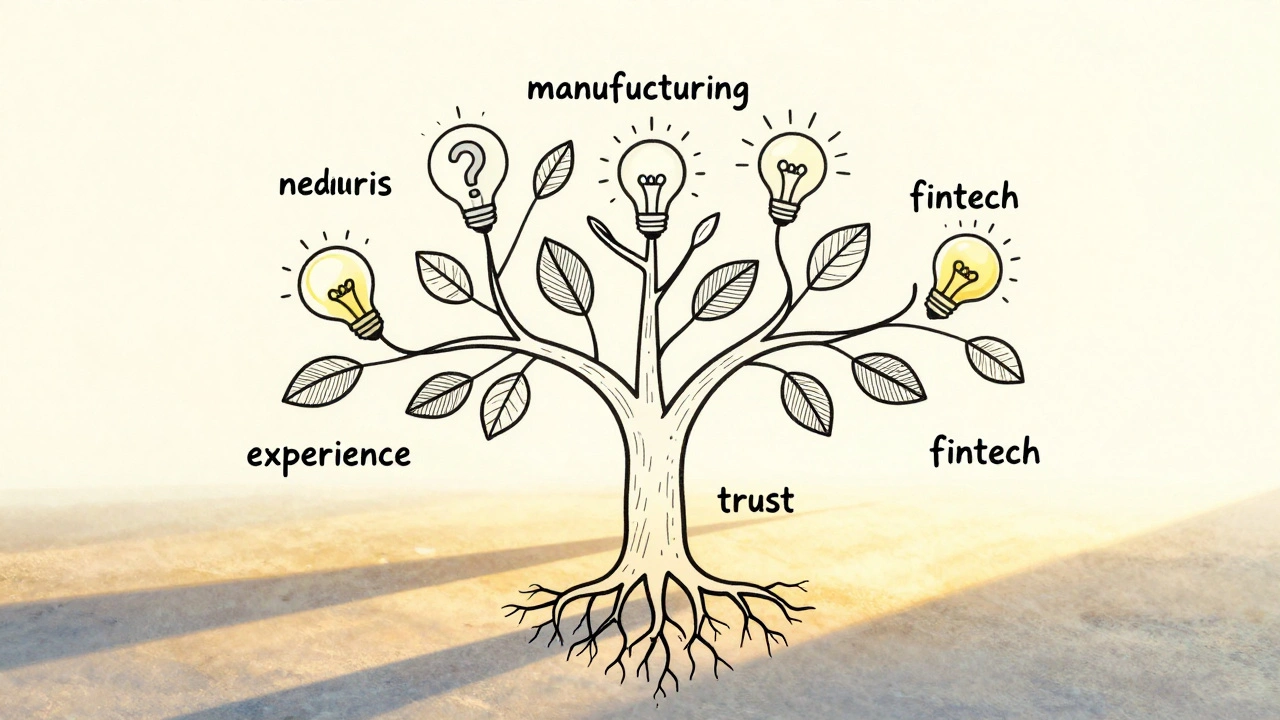
You don’t need to chase CEOs from Fortune 500 companies. The best mentors are often people who’ve walked the same path you’re on, just a few steps ahead. In manufacturing, it’s the plant manager who cut defect rates by 40% without automation. In retail, it’s the shop owner who rebuilt customer loyalty after a bad online review went viral. In fintech, it’s the ex-banker who left to build a lending platform for small artisans.
Here’s what these people have in common:
- They’ve failed-and survived it.
- They’re willing to admit what they don’t know.
- They don’t push their own agenda. They listen first.
One founder in Leeds told me he spent six months cold-emailing retired directors from his sector. He didn’t ask for a job. He didn’t ask for money. He asked: "Can I buy you lunch and hear how you handled your biggest mistake?" He got five yeses. Three of them became ongoing mentors.

What to Avoid When Seeking Mentorship
Not every experienced person is a good mentor. Here’s what to watch out for:
- The salesperson-They only talk about their own product or service. If they mention their coaching program in the first five minutes, walk away.
- The ego-driven advisor-They turn every conversation into a story about how they did it better. Real mentors make you feel capable, not inferior.
- The disconnected expert-Someone who hasn’t run a business in 15 years and still thinks print ads are the future. Ask: "What’s the last business decision you made that cost you money?" If they can’t answer, they’re not current.
Also, don’t treat mentorship like a transaction. You’re not buying advice. You’re building a relationship. That means showing up, being respectful of time, and following through on what you say you’ll do.
How to Find Your Mentor-Without Cold-Emailing 50 People
You don’t need to be bold. You just need to be present.
Start by attending local industry events. Look for chambers of commerce meetups, sector-specific networking groups, or even library-hosted business talks. These aren’t flashy events. They’re quiet, practical, and full of people who actually run businesses.
Here’s a simple rule: go to three events in your field. At each one, talk to one person who’s been in the industry for more than 10 years. Ask them one real question-not "How do I grow?" but "What’s something you wish you’d done differently when you were my age?" Then send a short email two days later: "Thanks for the chat. I’ve been thinking about what you said about X. Would you mind if I asked you one follow-up question next month?"
That’s it. No pitch. No LinkedIn connection request. Just a genuine, low-pressure opening.
What Happens When Mentorship Works
One woman in Manchester started a small bakery in 2022. She had no business background. She didn’t know how to calculate food costs. She got a mentor through a local food incubator-a retired caterer who’d sold his company to a national chain. Over 18 months, the mentor helped her: fix her pricing model, hire her first employee, and design a delivery system that cut waste by 30%.
Today, she’s turning £1.2 million a year. She didn’t get funding. She didn’t go viral. She got one person who showed up, consistently, and asked the right questions.
That’s the power of mentorship in the UK. It’s not about connections. It’s about commitment. It’s not about titles. It’s about trust.
What Comes Next? Keeping the Relationship Alive
Mentorship doesn’t end when you hit a milestone. It evolves. Once you’ve solved your pricing problem, you might need help with succession planning. Or scaling without losing culture. Or dealing with burnout.
The best mentors stay in your life long after the "problem" is fixed. They become your sounding board. Your reality check. Sometimes, your cheerleader.
Don’t wait for a crisis to reach out. Send a quick message every few months: "I used your advice about X last week. It worked. Thanks." That’s all it takes to keep the door open.
Final Thought: Mentorship Isn’t a Program. It’s a Practice.
You don’t need to wait for permission to find a mentor. You don’t need to be perfect. You don’t need to have a pitch deck. You just need to be curious. And willing to listen.
The UK has thousands of experienced leaders who want to help. But they’re not waiting for you to apply to a program. They’re waiting for you to show up, ask a real question, and mean it.
Can anyone become a mentor in the UK, even without a big title?
Yes. The most effective mentors aren’t always CEOs or founders of unicorn startups. Many are mid-level managers, retired entrepreneurs, or even small business owners who’ve solved problems you’re facing right now. What matters is experience, willingness to listen, and the ability to give honest feedback-not a fancy LinkedIn profile.
How long should a mentorship relationship last?
There’s no set timeline. Some last six months; others last decades. It depends on your goals. If you’re working on launching a product, you might only need 3-4 meetings. If you’re building a long-term business, the relationship may naturally evolve into ongoing check-ins. The key is to let it grow organically-not force it.
What if my mentor gives me bad advice?
Good mentors don’t give orders-they offer perspectives. If advice feels off, ask why they think that way. Sometimes their experience doesn’t fit your context. That’s okay. Use their insight as a starting point, not a rule. Trust your own judgment. A mentor’s job isn’t to be right-it’s to help you think clearly.
Do I have to pay for mentorship in the UK?
Most formal programs offer free mentorship through government or nonprofit support. Informal mentorship-like coffee chats or monthly calls-is almost always unpaid. If someone asks for money upfront, be cautious. True mentorship is about sharing knowledge, not selling services. That said, some professionals offer paid coaching programs, which are different from mentorship. Know the difference.
How do I know if I’m ready for a mentor?
You’re ready if you’re willing to listen more than you talk. If you’re open to being challenged. If you’ve tried things on your own and hit a wall. Mentorship isn’t for people who want quick fixes. It’s for those who want to grow-and who understand that growth requires humility.