 by
by Liability Insurance in the UK: Public vs. Product Cover Explained
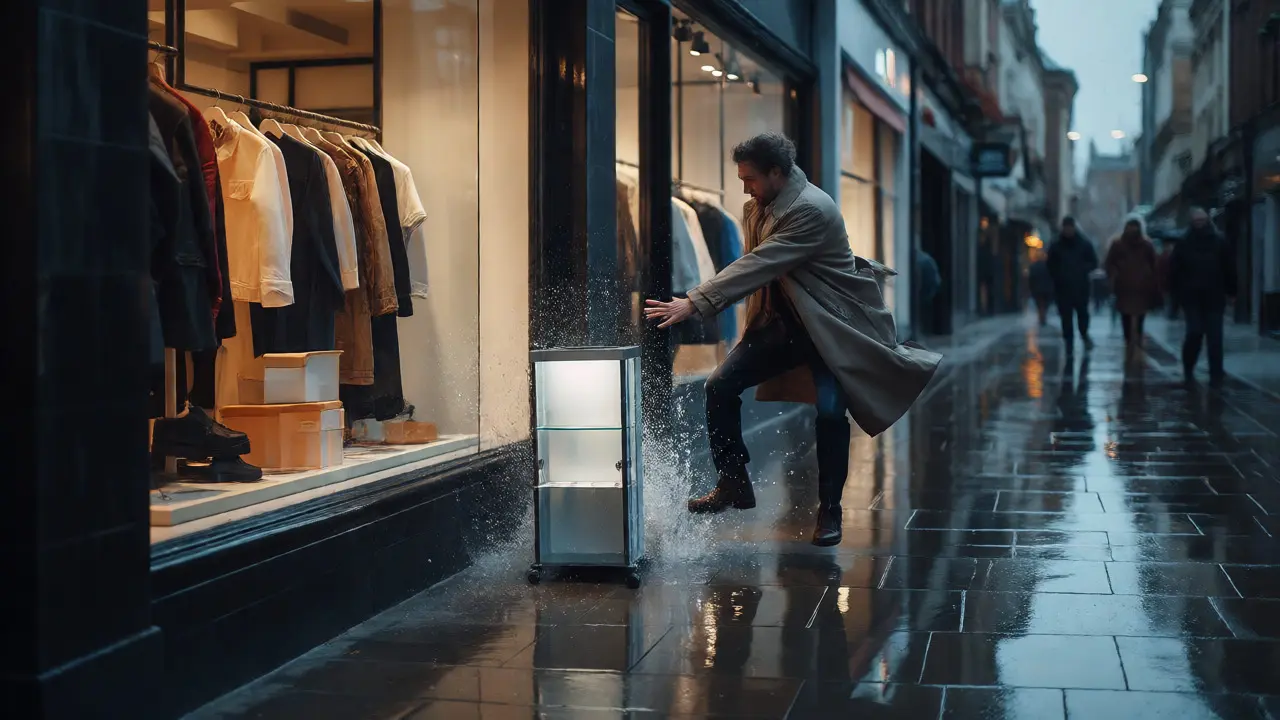
8 Oct, 2026Imagine a customer trips over your display stand in a high-street shop in Manchester and breaks their wrist. Or worse, imagine you sell handmade candles, and one of them causes a house fire because the wick wasn't properly centered. These aren't just bad luck stories; they are specific legal liabilities that can bankrupt a small business overnight. If you run a company in the United Kingdom, understanding Liability Insurance is not optional-it's survival.
Most entrepreneurs confuse two critical types of cover: Public Liability and Product Liability. They sound similar, but they protect you from completely different nightmares. Getting this wrong means paying premiums for risks you don't have while remaining exposed to the ones that actually threaten your bank account. Let's break down exactly what each policy does, who needs it, and how to choose the right level of protection for your specific situation in 2026.
The Core Difference: Where Does the Risk Come From?
The easiest way to distinguish between these two policies is to look at the source of the damage. Public Liability Insurance covers claims arising from your business activities or premises. It protects you if someone gets injured or their property is damaged because of something you did, or failed to do, on-site. Think of a painter spilling paint on a client's carpet, or a plumber leaving a tool out that someone trips over. The incident happens during the service delivery.
Product Liability Insurance, on the other hand, kicks in when the damage is caused by the goods you sold. This applies even after you've left the site or the transaction is complete. If you manufacture electronic components and one overheats, causing a fire three months later, that's a product liability claim. The defect existed in the item itself, not in the act of selling it. Many businesses assume "general liability" covers both, but standard policies often exclude product defects unless explicitly added.
| Feature | Public Liability | Product Liability |
|---|---|---|
| Trigger Event | Injury or damage caused by business operations/premises. | Injury or damage caused by a defective product sold. |
| Timing | Usually immediate (during the visit/service). | Can happen long after purchase (latent defects). |
| Typical Claim | Customer slips on wet floor in your office. | Toaster malfunctions and burns kitchen counter. |
| Who Needs It Most | Service providers, tradespeople, retailers with foot traffic. | Manufacturers, importers, wholesalers, online sellers. |
| Legal Requirement | Not legally mandatory but contractually essential. | Not legally mandatory but vital for consumer safety laws. |
When Public Liability Becomes Non-Negotiable
You might think, "I work from home, so no one visits me." But Public Liability isn't just about customers walking into your shop. It covers your interactions anywhere. If you're a freelance graphic designer meeting a client at a coffee shop and you knock over their laptop, that's a public liability claim. If you're a builder working on a construction site and drop a brick on a passerby's car, same deal.
Contracts are the biggest driver here. In the UK, many larger clients-especially in construction, IT, and professional services-will refuse to sign contracts with freelancers or SMEs who don't hold a minimum level of public liability cover. A common threshold is £5 million, though some government contracts require £10 million. Without proof of this cover, you simply cannot compete for those jobs. It’s a barrier to entry as much as it is a safety net.
Consider the cost of a slip-and-fall lawsuit. Medical bills, legal fees, and potential compensation can easily spiral into tens of thousands of pounds. For a sole trader, a single claim could mean personal bankruptcy. Public liability transfers that financial risk to the insurer. It’s cheap peace of mind, typically costing between £50 and £200 annually for low-risk professions, depending on turnover and risk profile.
Product Liability: The Hidden Trap for Sellers
If you sell anything physical, you need to think hard about product liability. The UK has strict consumer protection laws, including the Consumer Rights Act 2015. If a product is faulty, dangerous, or doesn't match its description, you are liable. This applies whether you made it yourself or bought it from a supplier abroad.
Here’s a scenario that trips up many online sellers: You buy phone cases from a wholesaler in China and resell them on Amazon UK. A case cracks and scratches a customer’s expensive phone screen. The customer sues you, not the Chinese manufacturer. Why? Because you are the seller in the UK market. Your product liability insurance should cover the legal defense and any settlement. If you only have public liability, you might find yourself paying out of pocket.
Importers face heightened scrutiny. Under UK law, if the manufacturer is outside the UK, the importer is often treated as the producer for liability purposes. This means you carry the full burden of ensuring your products meet UK safety standards (UKCA marking). A batch of toys with loose parts that cause choking hazards can lead to massive recall costs and liability claims. Product liability insurance helps mitigate these risks, covering legal costs and damages awarded to consumers.

Do You Need Both Policies?
For most businesses, the answer is yes. But the ratio matters. A consultant who rarely sells physical goods might only need robust public liability cover. A retailer selling imported electronics needs heavy product liability coverage, perhaps paired with basic public liability for store accidents.
Many insurers offer combined packages, sometimes called "General Liability," which bundle both under one policy. This is often more cost-effective than buying separate policies. However, read the fine print. Some bundled policies have sub-limits-for example, £1 million for product claims within a £5 million total limit. If you’re worried about a specific product line having higher risk, check if you can increase the product liability sub-limit specifically.
A good rule of thumb: If your revenue comes primarily from services performed on-site or remotely, prioritize Public Liability. If your revenue comes from selling goods, especially those you modify, package, or import, prioritize Product Liability. If you do both-like a bakery that serves customers in-store (public risk) and sells packaged cakes for takeaway (product risk)-you absolutely need both.
How Much Cover Should You Buy?
Choosing the right limit feels like guessing. Too little, and you’re underinsured; too much, and you waste cash. Start by looking at your contracts. Do they specify a minimum amount? If yes, that’s your baseline. If not, consider your annual turnover and the nature of your risks.
- Low Risk (£1-2 million): Suitable for office-based consultants, tutors, or low-footfall retail shops where physical interaction is minimal.
- Medium Risk (£5 million): The standard for most tradespeople (plumbers, electricians), small manufacturers, and e-commerce sellers. This covers most serious injury claims without breaking the bank.
- High Risk (£10 million+): Required for large construction projects, healthcare providers, or businesses dealing with potentially hazardous materials (chemicals, machinery).
Remember that legal costs are usually paid *in addition* to the indemnity limit, but check your policy wording. Some policies include legal costs within the limit, meaning a £5 million policy might effectively offer less protection if a claim drags on for years.

Pitfalls That Void Your Cover
Insurance companies are experts at finding reasons not to pay. To keep your cover valid, avoid these common mistakes:
- Misrepresentation: When applying, be honest about what you do. If you say you're an accountant but also sell homemade jams, you must disclose the food sales. Failure to declare all business activities can void the policy.
- Non-Compliance with Standards: For product liability, ensure your goods meet current UK safety regulations. Selling non-compliant goods (e.g., missing UKCA marks post-Brexit) can invalidate your claim.
- Late Notification: Report incidents immediately. Waiting until a lawyer sends a letter can breach policy terms requiring prompt notification of potential claims.
Regularly review your policy as your business grows. Adding a new product line or hiring staff changes your risk profile. An annual review ensures you aren't carrying outdated assumptions.
Frequently Asked Questions
Is liability insurance legally required in the UK?
No, unlike Employers' Liability Insurance, neither Public nor Product Liability insurance is mandated by statute for most businesses. However, they are almost always required contractually by clients, landlords, or trade associations. Operating without them exposes you to significant financial risk.
Does public liability cover my employees?
No. Public liability covers third parties (customers, visitors, passersby). If an employee gets hurt at work, you need Employers' Liability Insurance, which is a separate, legally required policy if you have staff.
What happens if I sell products globally?
UK product liability policies may not automatically cover claims from outside the UK, particularly from the USA, where litigation is frequent and expensive. Check your policy's geographical scope. You may need specific international extensions or separate US-focused cover.
Can I get liability insurance as a sole trader?
Yes, absolutely. Sole traders are often more vulnerable to lawsuits because they lack the corporate shield of limited companies. Insurers readily offer policies to sole traders, often with lower premiums due to smaller turnover, but the coverage limits remain critical.
Does product liability cover recalls?
Standard product liability insurance covers legal costs and damages for injuries or property damage. It does not typically cover the cost of recalling products (transport, storage, refunds). Recall costs are usually covered under a separate "Product Recall" extension or policy.