
 by
Lifecycle Marketing in the UK: Onboarding, Nurture, and Re-Engagement
26 Oct, 2026Imagine you just signed up for a new streaming service. Within minutes, you get a welcome email. A week later, they suggest a show based on your first click. Three months down the line, you haven’t logged in, so they send a "we miss you" offer with a free month. That’s Lifecycle Marketing in action. It’s not just about blasting emails; it’s about meeting customers where they are in their journey.
In the UK, this approach is becoming critical. With data privacy laws like the UK GDPR tightening rules on how we use personal data, generic mass marketing feels increasingly risky and ineffective. Customers expect relevance. If you’re sending the same message to someone who just bought a product as you are to someone who hasn’t opened an email in six months, you’re wasting money and annoying people.
Why Lifecycle Marketing Matters Now
Lifecycle marketing breaks the customer journey into distinct stages: acquisition, onboarding, retention, and re-engagement. Instead of treating every contact the same, you tailor messages based on behavior. This isn’t just theory. According to industry benchmarks from the Data & Marketing Association (DMA), lifecycle emails often see open rates double or triple those of standard newsletters. Why? Because they answer specific questions at specific times.
For UK businesses, the stakes are higher. The Competition and Markets Authority (CMA) has been cracking down on dark patterns and misleading marketing practices. Being helpful rather than pushy helps you stay compliant and builds trust. When you align your messaging with the user’s actual needs, you reduce churn and increase lifetime value (LTV). It’s a simple equation: relevant content equals better results.
The Onboarding Phase: First Impressions Count
Onboarding starts the moment a user signs up. This is the most fragile stage. They’ve given you their email address, but they haven’t committed yet. Your goal here is activation-getting them to take that first meaningful action. For a SaaS company, this might be creating a project. For an e-commerce brand, it’s completing a purchase.
Don’t overwhelm new users. A common mistake is sending five emails in the first week. Try a three-step sequence instead:
- Email 1 (Immediate): Welcome them, confirm what they’ll get, and set expectations. Keep it short.
- Email 2 (Day 3): Offer a quick win. Show them how to solve one small problem using your product.
- Email 3 (Day 7): Ask for feedback or highlight a key feature they might have missed.
Make sure these emails are mobile-friendly. In the UK, over 60% of email opens happen on smartphones. If your layout breaks on an iPhone, you’ve lost the sale before it began.
Nurture Sequences: Building Trust Over Time
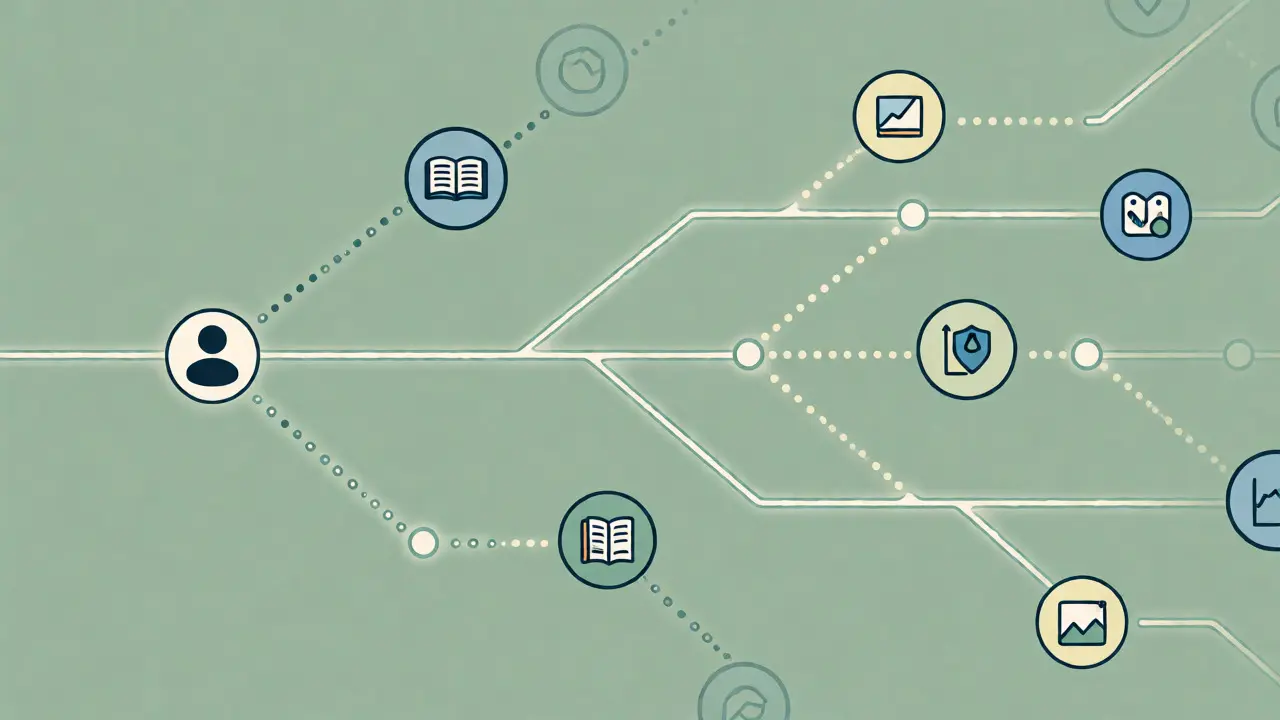
Once users are active, they enter the nurture phase. This is where you educate them without selling hard. Think of it as being a helpful advisor rather than a salesman. You want to deepen their relationship with your brand by providing value.
Segmentation is key here. Don’t send the same blog post to everyone. Use behavioral triggers. If a user reads three articles about "sustainable packaging," send them more content on that topic. If they visit your pricing page twice but don’t buy, send a case study showing ROI.
| Industry | Content Type | Goal |
|---|---|---|
| SaaS | How-to guides, webinars | Feature adoption |
| E-commerce | User-generated content, styling tips | Cross-selling |
| Finance | Market updates, educational snippets | Trust building |
Timing matters too. B2B buyers might need weeks to decide, while B2C shoppers could convert in hours. Adjust your cadence accordingly. Sending a discount code too early can devalue your brand; waiting too long means they’ve already bought elsewhere.
Re-Engagement: Winning Back Dormant Users
Eventually, some customers go quiet. Maybe they forgot their password, found a competitor, or just got busy. Re-engagement campaigns target these dormant users. But be careful-sending irrelevant messages to people who no longer care can lead to unsubscribes or spam complaints.
A good re-engagement strategy involves a "break-up" email series. Start with a gentle reminder: "We noticed you haven’t logged in lately." If there’s no response after two weeks, try offering something exclusive, like early access to a new feature. Finally, if they still don’t engage, ask them if they want to stay on the list. Giving them control reduces frustration.
UK consumers are particularly sensitive to frequency. The ICO (Information Commissioner’s Office) emphasizes transparency and consent. Make it easy for users to update their preferences rather than forcing them to unsubscribe entirely. Sometimes, a simple preference center solves the problem better than a last-ditch discount.
Measuring Success Beyond Open Rates
Open rates are vanity metrics. They tell you if your subject line worked, not if your business grew. Focus on conversion-based metrics instead. Track activation rates during onboarding, repeat purchase rates during nurture, and win-back rates during re-engagement.
Use tools like HubSpot or Mailchimp to visualize these funnels. Look for drop-off points. If 80% of users complete onboarding but only 20% make a second purchase, your nurture sequence isn’t doing its job. Test different messages, offers, and timings until you find what works.
Practical Tips for UK Marketers
Keep these local nuances in mind when designing your campaigns:
- Holidays: Plan around bank holidays like Easter and August Bank Holiday. People travel, so engagement drops.
- Tone: British audiences generally prefer understated, witty copy over aggressive sales pitches.
- Data Rights: Ensure you have clear opt-in records. Under UK GDPR, silence does not equal consent.
Finally, automate where possible. Manual sending doesn’t scale. Set up triggers so that when a user takes an action, the right message goes out automatically. This frees up your team to focus on strategy rather than logistics.
What is the difference between lifecycle marketing and traditional email marketing?
Traditional email marketing often sends the same message to everyone at the same time. Lifecycle marketing segments users based on their behavior and journey stage, delivering personalized content at the right moment. This leads to higher engagement and lower unsubscribe rates.
How many emails should I send during the onboarding phase?
There is no one-size-fits-all number, but a typical effective range is 3 to 5 emails spread over the first two weeks. The goal is to guide the user to activation without overwhelming them. Monitor your open and click-through rates to adjust the frequency.
Does UK GDPR affect how I run re-engagement campaigns?
Yes. You must ensure you have valid consent to market to these users. If consent was obtained under previous EU regulations, it may need reconfirmation. Always provide a clear way for users to opt-out or manage preferences, and avoid using dark patterns to keep them subscribed.
What are the best KPIs for measuring lifecycle marketing success?
Focus on Customer Lifetime Value (CLV), churn rate, activation rate, and conversion rate per stage. While open rates are useful for testing subject lines, they don’t directly correlate with revenue. Revenue attribution models give a clearer picture of which lifecycle stages drive profit.
Can small UK businesses afford sophisticated lifecycle marketing?
Absolutely. Many affordable tools like Mailchimp, Brevo, or Klaviyo offer automation features suitable for small teams. Start with basic segmentation and simple triggered emails. As you grow, you can add more complex workflows. The key is starting now rather than waiting for perfect technology.