 by
by Live Chat and Chatbots for UK Online Stores: Customer Service That Converts
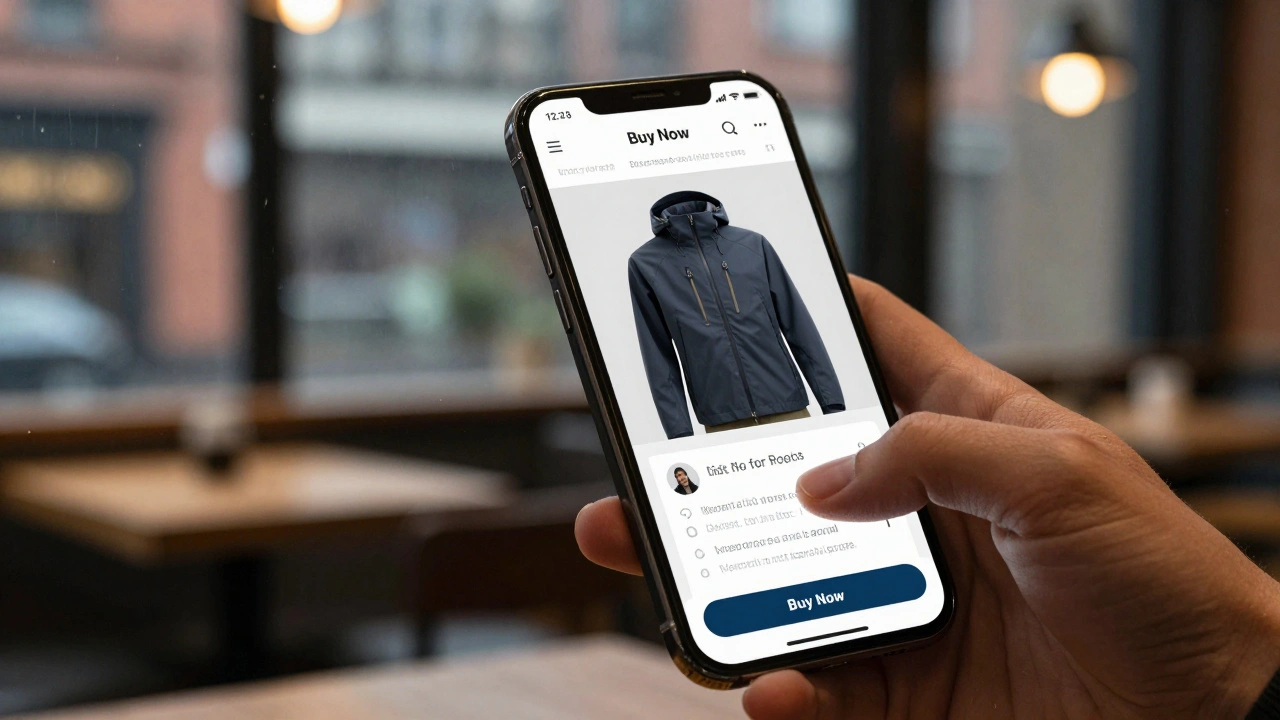
26 May, 2026Imagine a shopper in Manchester adding a high-end jacket to their cart. They hesitate. Is the fabric waterproof? Does it run small? If they have to wait three days for an email reply, that sale is gone. But if a chatbot pops up instantly with sizing charts and weatherproof specs, or a human agent jumps in to reassure them about returns, that hesitation turns into a purchase.
In the competitive landscape of UK online retail, speed isn't just nice to have-it's the difference between revenue and abandoned carts. With post-Brexit logistics complexities and a consumer base accustomed to instant gratification from giants like Amazon, British shoppers expect immediate answers. This is where live chat and AI-driven chatbots become your most valuable sales tools.
The Psychology of Instant Answers
Why do customers prefer chatting over emailing or calling? It comes down to control and convenience. A phone call demands time; an email demands patience. Live chat allows the user to browse while they ask questions. They don't have to put down their coffee or stop scrolling through social media.
For UK consumers, this preference is amplified by mobile usage. Over 60% of e-commerce traffic in the UK comes from mobile devices. Typing a quick question into a chat window on a smartphone is far less frictionous than dialing a number or opening a separate email app. When you remove friction, you increase conversions. Studies consistently show that visitors who engage with live chat are significantly more likely to convert-sometimes up to 3-4 times more likely-than those who don't.
But there’s a catch. The chat has to be helpful. If a bot loops endlessly or a human takes ten minutes to respond, you’ve created more frustration than before. The goal is seamless assistance, not just presence.
Chatbots vs. Live Agents: Finding the Balance
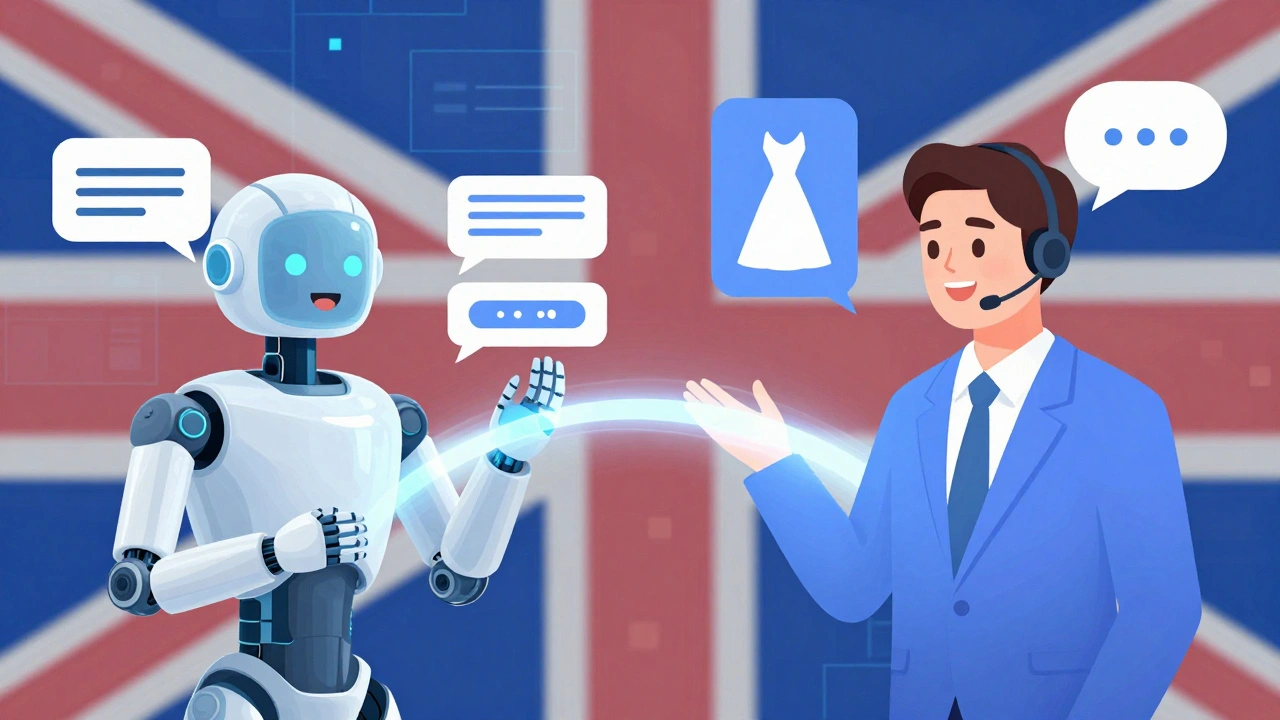
You might think you need to choose one or the other. You don’t. The winning strategy for modern UK stores is a hybrid model. Here’s how each plays its part:
- Chatbots (AI & Rule-Based): These handle the repetitive, low-stakes queries. Think "Where is my order?" (WISMO), return policy checks, size guides, and store hours. They work 24/7, which is crucial for capturing late-night browsers or early morning commuters. They scale infinitely without extra cost.
- Live Agents: Humans handle complex issues, complaints, and high-value sales consultations. They provide empathy and nuance that bots currently struggle with. They build trust when things go wrong.
The magic happens in the handoff. A bot should qualify the lead and gather context before passing it to a human. For example, if a customer asks about a custom wedding dress, the bot can collect their date and style preferences, then transfer them to a specialist agent who already knows what they want. This saves time for both the customer and your staff.
| Feature | Live Chat (Human) | Chatbot (AI) |
|---|---|---|
| Availability | Business Hours (usually) | 24/7 |
| Response Time | Seconds to Minutes | Instant |
| Complexity Handling | High (Empathy/Nuance) | Low (Structured Data) |
| Cost per Interaction | Higher (Staff Salary) | Negligible (Software Fee) |
| Best Use Case | Sales Closing, Complaints | FAQs, Order Tracking |
Overcoming GDPR Hurdles in the UK
If you’re selling to customers in the UK, you cannot ignore data privacy. The General Data Protection Regulation (GDPR) remains strict, even post-Brexit. Every piece of data collected via chat-from names to order numbers-is personal data.
Here’s what you must get right:
- Consent is Key: Don’t auto-open chats that demand personal info immediately. Use non-intrusive banners that explain why you’re collecting data. Let users opt-in.
- Data Minimization: Only ask for what you need. If a bot needs to check an order, ask for the order ID first, not the full name and address unless necessary.
- Secure Storage: Ensure your chat provider stores data on servers compliant with UK/EU standards. Many US-based providers now offer EU data residency options specifically for this reason.
- Right to Erasure: Have a clear process for deleting chat logs if a customer requests it. Your system should allow easy export and deletion of user data.
Ignoring these rules doesn’t just risk fines; it risks trust. UK consumers are increasingly savvy about their digital rights. Transparency builds loyalty.
Integrating with Your Tech Stack
A chat tool sitting in isolation is useless. It needs to talk to your existing systems to provide real value. In the UK market, platforms like Shopify, WooCommerce, Magento, and BigCommerce dominate. Your chat solution must integrate seamlessly with these.
What does good integration look like?
- Order Visibility: When a customer starts a chat, the agent should see their recent orders, shipping status, and browsing history without asking. This reduces friction dramatically.
- CRM Sync: Chat transcripts should flow into your Customer Relationship Management system (like HubSpot or Salesforce). This creates a unified view of the customer journey.
- Payment Gateways: Some advanced bots can even process refunds or apply discount codes directly within the chat interface, closing the loop without redirecting the user.
Before buying a tool, check its API capabilities. If it requires manual data entry every time a chat ends, it’s slowing down your team, not helping them.
Measuring Success: Beyond Vanity Metrics
Don’t just look at the number of chats handled. That’s a vanity metric. Focus on metrics that tie directly to revenue and efficiency:
- Conversion Rate Lift: Compare the conversion rate of sessions with chat engagement versus those without. Aim for a significant uplift.
- Deflection Rate: What percentage of queries did the bot resolve without human intervention? A healthy range is often 30-50%, depending on product complexity.
- First Response Time (FRT): How long does it take for a human to reply after being assigned? Under 30 seconds is the gold standard for live chat.
- Customer Satisfaction (CSAT): Send a simple one-question survey after each chat. Did we solve your problem? Track this score weekly.
Use these insights to refine your bot scripts and train your agents. If CSAT drops on specific topics, dig deeper. Are your size guides unclear? Is your return policy confusing? Chat data is a goldmine for improving your entire website.
Choosing the Right Tool for Your Store
The market is crowded with options. From enterprise solutions like Zendesk and Intercom to lighter tools like Tidio and Drift. How do you pick?
Start with your volume. If you’re a small boutique handling fewer than 50 chats a day, a lightweight, affordable tool with basic bot building will suffice. You don’t need complex AI yet. Focus on ease of use for your staff.
If you’re scaling rapidly, handling thousands of interactions, you need robust automation, advanced analytics, and deep integrations. Look for platforms that offer natural language processing (NLP) so your bots understand colloquial UK English phrases like "Cheers mate" or "Brilliant, thanks." Generic bots often fail here, leading to frustrating loops.
Always request a demo. Test the bot yourself. Try to break it. See how smooth the handoff to a human feels. If the demo experience is clunky, the live experience will be worse.
Is live chat worth it for small UK businesses?
Absolutely. Even small businesses benefit from the immediacy of live chat. Tools like Tidio or Crisp offer free or low-cost tiers that include basic chatbots. The key is setting expectations: clearly state your operating hours so customers know when to expect a human response. The ROI comes from recovering abandoned carts and answering pre-purchase questions quickly.
How do I ensure my chatbot understands British English?
Most modern AI chatbots support multiple languages and dialects. During setup, specify your target audience as UK English. Train your bot with common local phrases and slang relevant to your niche. Regularly review chat logs to identify misunderstood queries and update your bot’s knowledge base accordingly. Avoid overly formal language in your bot’s responses to match the conversational tone of UK shoppers.
Can chatbots handle returns and exchanges?
Yes, but with limits. Simple returns based on clear policies can be automated. The bot can verify the order, check eligibility against your return window, and generate a prepaid return label. However, complex disputes or damaged goods should be escalated to a human agent who can exercise judgment and empathy. Automate the routine, humanize the exceptions.
What are the biggest pitfalls of implementing live chat?
The biggest pitfall is poor staffing. Having a chat widget visible but no one to answer it is worse than having no widget at all. It signals neglect. Another common mistake is over-automating. If customers feel trapped in a bot loop with no escape route to a human, frustration skyrockets. Always provide a clear "Talk to an Agent" option. Finally, ignoring data privacy compliance can lead to legal issues and loss of trust.
How does live chat impact SEO?
Indirectly, live chat improves SEO by boosting user engagement metrics. Lower bounce rates and longer session durations signal to search engines that your site provides value. Additionally, analyzing chat queries reveals exactly what customers are searching for and struggling to find on your site. You can use this insight to create targeted content, improve product descriptions, and optimize keywords, thereby enhancing your organic visibility.