
 by
by Merchant Cash Advances in the UK: How Card-Linked Funding Works
26 Mar, 2026Imagine you run a busy café in London. A supplier demands payment upfront for new equipment, but your cash flow doesn't hit positive until next month. You need money yesterday. Banks ask for collateral, six months of accounts, and patience. Then someone mentions a Merchant Cash Advance. It sounds simple: get cash now, pay back later. But does it really work that way?
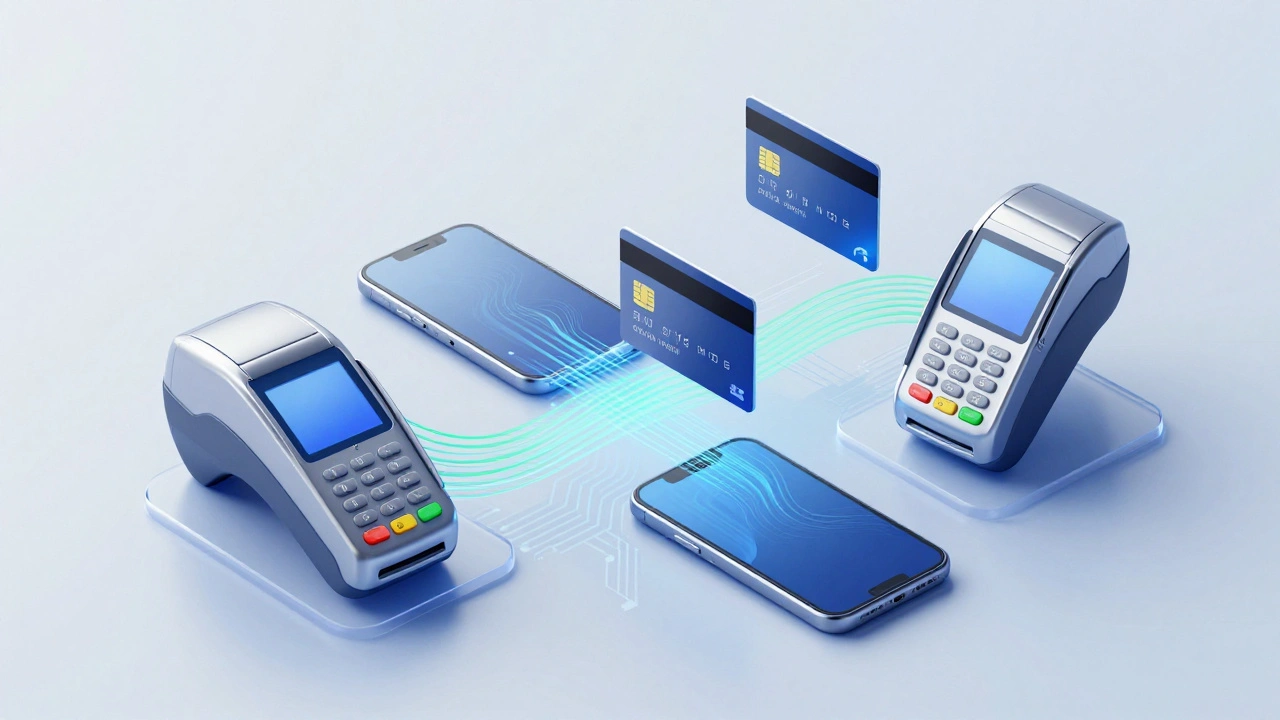
In the UK market, these funds have become popular shortcuts for small business owners facing immediate liquidity gaps. Unlike traditional bank loans, this method ties repayment directly to your daily credit card sales. It is often called Card-Linked Funding, where the lender connects directly to your card processing terminal. Before you sign, you need to understand exactly how the math plays out and where the risks hide.
Understanding the Core Mechanism
At its heart, this funding model isn't technically a loan. You are selling a portion of your future receivables to a provider. They give you a lump sum today. In return, they take a percentage of your incoming credit card transactions every day until the advance is paid off.
Here is the breakdown of the workflow most providers use:
- Application: You submit basic bank statements and merchant account details online. Approval often happens within 24 hours.
- Agreement: Instead of an interest rate, you agree to a fixed purchase price. If they give you £10,000, you might owe £12,000 back total.
- Connection: They integrate with your card machine or payment gateway.
- Repayment: Every day, a specific percentage (the holdback) of your card sales goes straight to the funder before you see the rest.
This structure creates a unique dynamic. On days with high traffic, you pay more. On quiet Tuesdays, you pay less. It adjusts to your rhythm, which feels safer than a fixed monthly bill. However, that flexibility comes at a steep premium.
The Cost Reality: Factor Rates Explained
You won't see an Annual Percentage Rate (APR) on the main contract in the same way a mortgage shows you. Instead, providers use something called a Factor Rate. Think of this as a multiplier. If your factor rate is 1.3, you must repay £1.30 for every £1.00 borrowed.
| Funding Type | Typical Repayment Multiplier | Estimated Effective APR |
|---|---|---|
| Merchant Cash Advance | 1.2 to 1.5 | 30% to 150%+ |
| Traditional Bank Loan | N/A | 5% to 12% |
| Credit Card Overdraft | N/A | 20% to 30% |
In the UK, financial regulators have tightened transparency rules recently. Even though factor rates are distinct from interest, lenders must still disclose the equivalent cost of borrowing so you can compare. Do the math yourself. If you borrow £20,000 with a factor rate of 1.4, your payoff amount is £28,000. If you clear this balance in four months, that translates to an effective annual rate significantly higher than a standard business loan.
Daily Remittance vs. Weekly Settlements
How you get paid matters just as much as how you pay. Most providers offer two models for deduction. The standard approach is daily remittance. Your processor holds the agreed percentage (often between 10% and 25%) and transfers it immediately after your daily batch settles.
Some newer fintech platforms in the UK allow weekly settlements. This gives you slightly better short-term cash visibility, keeping more capital in your account during the week to cover payroll or stock orders. However, some contracts require daily automatic transfers. Always read the fine print regarding the Processing Company integration. You need to know if you can manually transfer funds or if the connection forces an automated sweep from your bank account.
Regulatory Landscape in the UK
The landscape for alternative business lending has shifted under FCA Regulations. While many MCAs sit in a grey area between loan agreements and purchase agreements, the Financial Conduct Authority watches the marketing closely. Predatory practices, such as trapping businesses into endless refinancing cycles, are under increased scrutiny.
A reputable lender should provide: Clear breakdown of the total payable amount. Transparency about the holdback percentage. No penalties for paying early. In 2026, compliance with FSCS standards ensures that even if a smaller funder fails, there is some level of protection regarding customer funds held during processing delays.
Is It Right for Your Business Model?
This tool works best for businesses with consistent, unpredictable volume fluctuations. Retail shops, hospitality venues, and service providers using card terminals frequently fit here. If your revenue spikes in December and drops in January, the flexible repayment aligns well with your income.
It is less suitable for businesses with low card transaction volumes. If you mostly take cash or direct debits, you cannot link the funding effectively. You risk running out of money quickly if the deduction eats up too much daily revenue.
Beyond the headline numbers, look for clauses about reserves. Some providers require you to maintain a minimum balance in your operating account. If your sales slow down and the holdback leaves you below that threshold, they may demand extra payments from a separate account to cover the shortfall.
This triggers the "cycle of debt." You borrow to fix a gap, but the repayment terms create a new gap. To break this, monitor your Credit Score. Missing payments or having multiple active advances lowers your chance of getting traditional funding later. Always map out your cash flow for 60 days before signing. Ask specifically about early payoff fees. Many contracts lock you into paying the full amount early, but a fair agreement charges only for the time remaining.
Before moving forward, explore other avenues for Small Business Loans available to UK entrepreneurs.
If you qualify for a standard term loan, the long-term cost savings are massive compared to the short-term ease of an advance. Use the advance only for emergencies, seasonal bridging, or investment opportunities with guaranteed returns that exceed the funding cost.
When you decide to proceed, treat the process like a vendor negotiation. Shop around. Different funders offer different holdback rates. One might charge 1.3x with 15% holdback, while another offers 1.4x with 10%. The lower daily drain keeps your operational cash healthier.
Finally, ensure you understand the cancellation rights. In some jurisdictions, consumer protections apply even to B2B agreements depending on the business structure. Get everything in writing. Verbal promises about "flexibility" mean nothing if the digital signature binds you to the strict original terms. Treat this funding as a stopgap solution, not a permanent infrastructure for your growth strategy.
Most providers do not report positive repayments to credit bureaus like Experian or Equifax. However, if you default on the agreement, the debt could be sold to collections and negatively impact your score. It acts similarly to unpaid debts. Many agreements allow early repayment, but some charge a fee or require you to pay the full face value regardless of time left. Always ask for the "early buyout clause" before signing. Because these are not traditional bank loans, decisions are faster. You can often receive funds within 24 to 48 hours, sometimes even on the same day if documentation is complete. Yes. While structured as purchases of revenue, the conduct of the lender falls under FCA oversight regarding transparency, affordability checks, and advertising standards to prevent predatory lending. Card-linked draws directly from merchant processing terminals daily. Bank-linked withdrawals come from your general business checking account on a set schedule, potentially draining your primary operating account.Hidden Risks and Reserve Requirements

Alternatives to Consider First
Making the Final Decision
Frequently Asked Questions
Do Merchant Cash Advances affect my credit score?
Can I pay off the advance early?
What is the typical approval time in the UK?
Does the FCA regulate these advances?
What is the difference between card-linked and bank-linked funding?