 by
by Out-of-Home and Direct Mail in the UK: Offline Channels That Still Work
19 Mar, 2026When everyone talks about digital ads, social media, and AI-driven targeting, it’s easy to forget that some of the most effective marketing tools in the UK aren’t digital at all. Out-of-home (OOH) advertising and direct mail aren’t relics of the past-they’re thriving, measurable, and often more trusted than anything showing up on a phone screen.
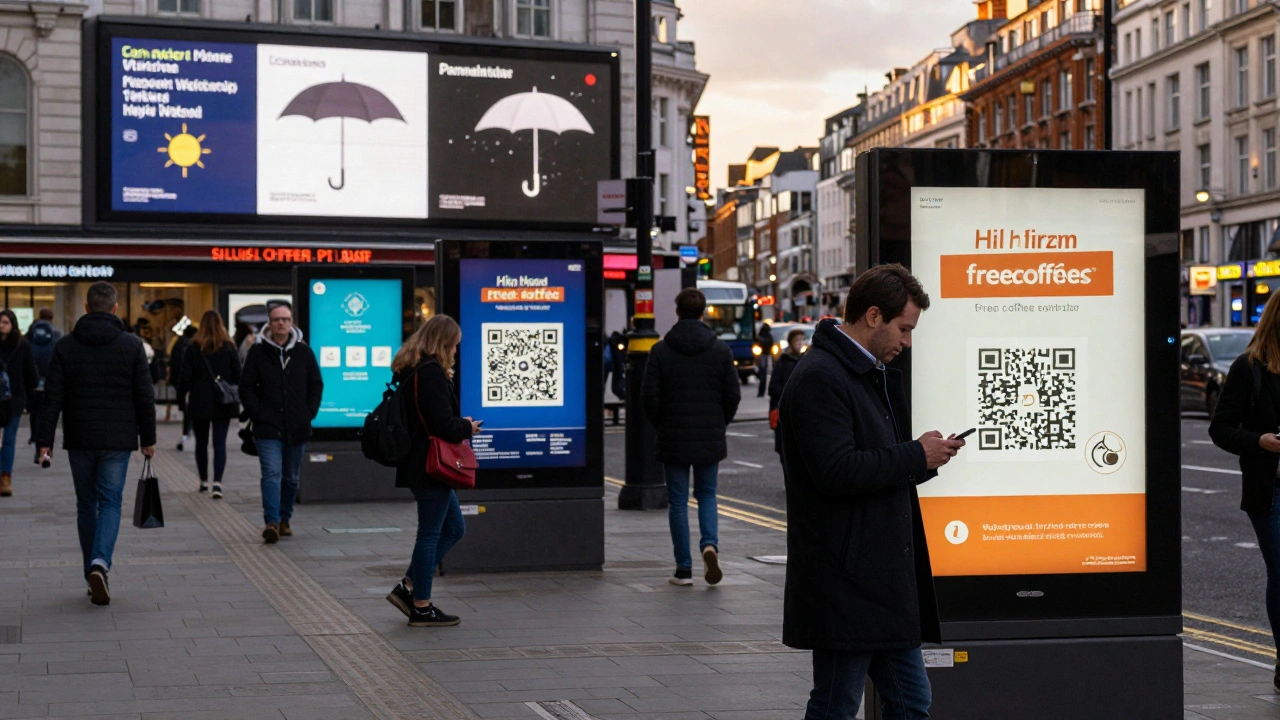
Take a walk through London, Manchester, or Birmingham right now. You’ll see billboards with real-time weather updates, bus shelters with QR codes that lead to limited-time offers, and train stations where commuters scan a code to unlock a free coffee. These aren’t gimmicks. They’re smart, targeted, and working-hard. In 2025, UK out-of-home ad spending hit £2.8 billion, up 12% from the year before, according to the Outdoor Media Centre. Meanwhile, Royal Mail reported that direct mail response rates in the UK averaged 4.9% for B2C campaigns, compared to just 0.6% for email. That’s nearly eight times higher.
Why Out-of-Home Still Works in the UK
People don’t scroll past OOH ads. They live with them. Every day, UK adults spend an average of 4 hours and 27 minutes outside their homes, according to the Office for National Statistics. That’s time spent commuting, walking to shops, waiting at bus stops, or dropping kids off at school. OOH ads are there, in real life, in the places people actually go.
Unlike a Facebook ad that gets buried under memes and cat videos, an OOH ad has no competition. A digital billboard on the M6 motorway doesn’t have to fight for attention with 17 other ads. It has the road, the sky, and the driver’s full view for 30 seconds. That’s enough time to make an impression.
Smart OOH campaigns now use data. Weather-triggered ads? Yes. If it’s raining in Leeds, a brand like Boots can show an ad for umbrellas or painkillers. If traffic is heavy on the A1, a car insurance company can serve a message about breakdown cover. These aren’t random placements-they’re real-time, location-based, and hyper-relevant.
And the proof? A 2024 study by the Institute of Practitioners in Advertising found that OOH campaigns boosted online search traffic by 37% on average. That means people saw an ad on a bus stop, then went home and Googled the brand. That’s not just awareness-that’s conversion.
The Quiet Power of Direct Mail
Direct mail sounds old-fashioned. But here’s the truth: people still open it. In fact, 83% of UK households say they check their mailbox daily. That’s higher than the percentage who check email every day. And here’s what most marketers miss: direct mail feels personal. It’s physical. It sits on your kitchen table. You can touch it. You can’t scroll past it.
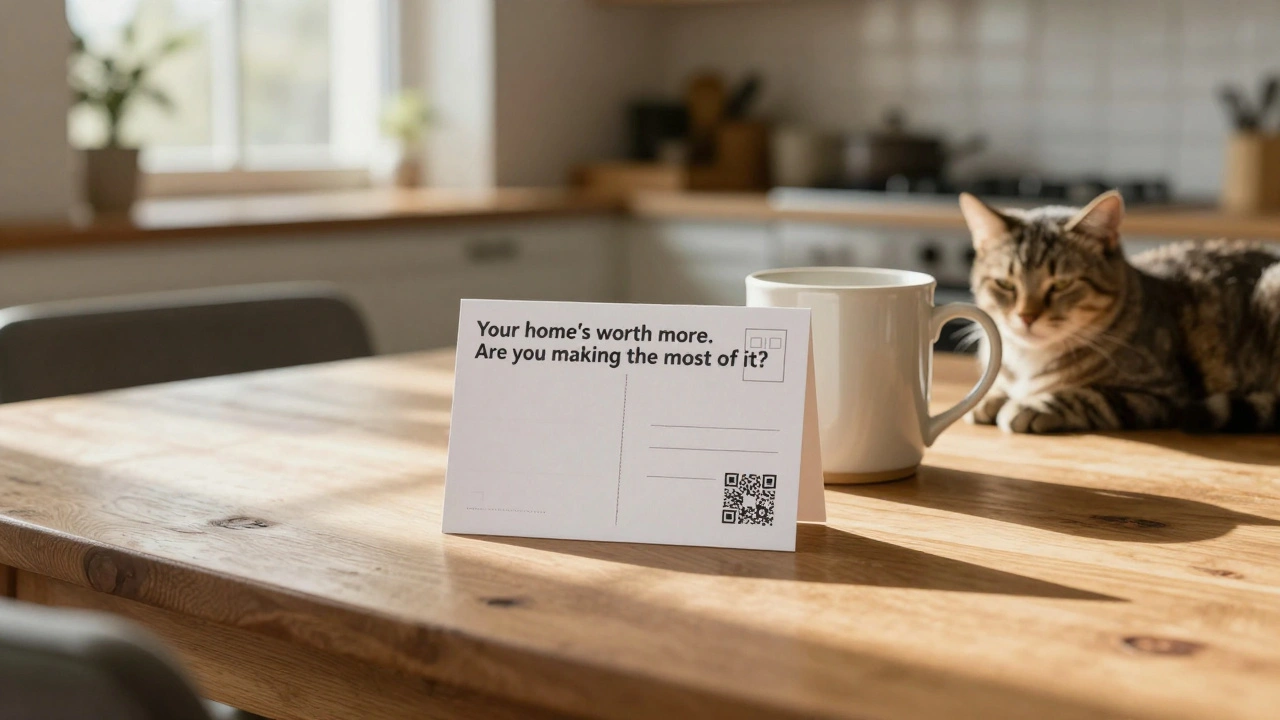
Take a UK-based home improvement retailer. They sent out a postcard to homeowners in postcode areas where property values had risen by over 10% in the last year. The postcard didn’t say “Buy our tools.” It said, “Your home’s worth more. Are you making the most of it?” With a simple QR code and a free design consultation offer, response rates hit 6.2%. That’s not just good-it’s exceptional.
Personalization is key. The UK’s Royal Mail now allows marketers to target based on household income, home ownership status, and even pet ownership data (yes, it’s legally available). A pet food brand targeting households with dogs in Nottingham saw a 9.1% response rate. A financial services firm targeting homeowners aged 55+ in the South West hit 7.8%.
And here’s the kicker: direct mail doesn’t get ad blockers. It doesn’t get ignored because someone’s on their third TikTok video. It lands in a space where people are still making decisions-quietly, thoughtfully, without distraction.
How These Channels Work Together
Here’s the secret most brands don’t talk about: OOH and direct mail work best when they’re paired. Think of them as a tag team.
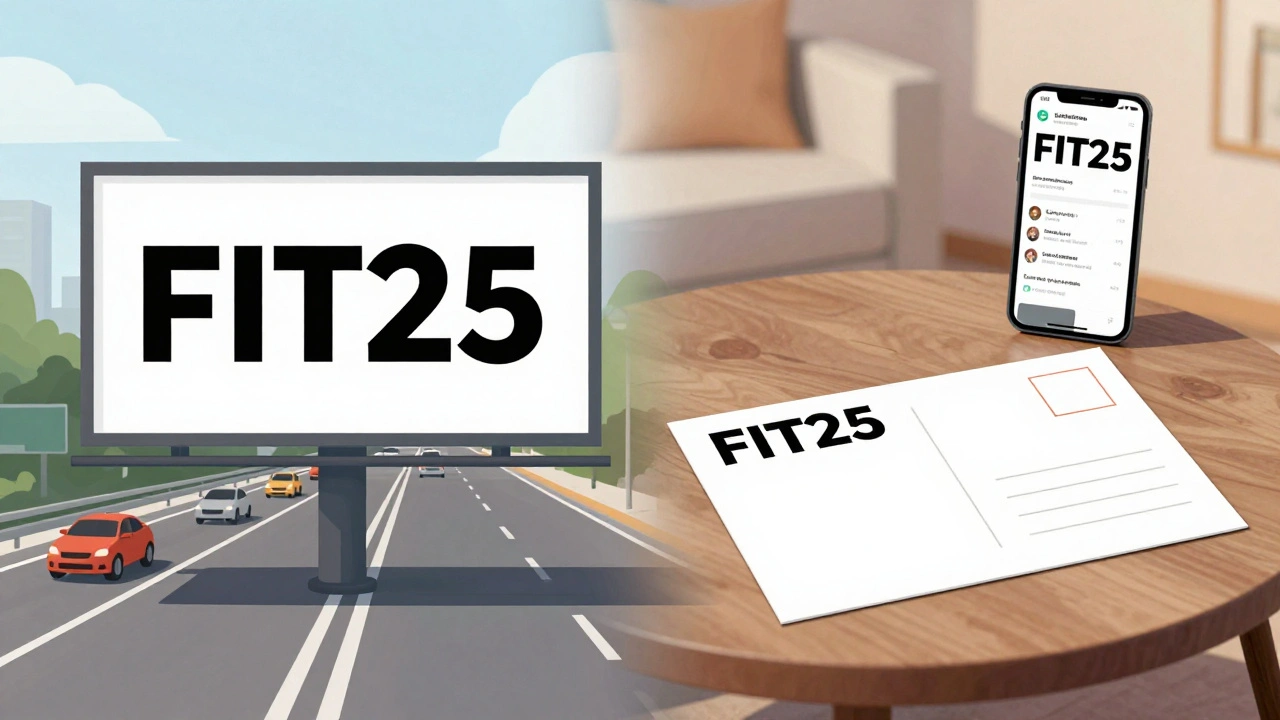
One UK-based fitness brand ran a campaign where they placed OOH ads near gyms and parks with a unique code: “FIT25.” The code led to a landing page offering a free week of training. But here’s the twist: they also mailed a postcard with the same code to households within a 2-mile radius of those locations. The result? 42% of people who saw the OOH ad also received the direct mail. And those who saw both were 3.5 times more likely to convert than those who saw only one.
This isn’t coincidence. It’s psychology. When people see the same message in two different places, their brain starts to trust it. It’s called the “repetition effect.” And in a world full of noise, repetition builds credibility.
Another example: a UK bank used OOH ads in commuter hubs to promote a new savings account. The ad said, “We’ll send you a letter with your personalized offer.” Then, within 48 hours, they mailed a targeted letter with the applicant’s name, a pre-approved limit, and a QR code. The application rate jumped 58% compared to digital-only campaigns.
What You Need to Get Started
If you’re thinking about testing OOH or direct mail, here’s what actually works in the UK right now:
- Start small. Test one city. One postcode. One format. Don’t try to go national on day one.
- Use tracking codes. Every OOH ad needs a unique URL or QR code. Every direct mail piece needs a promo code. No exceptions.
- Target smart. Use postcode data from Royal Mail or OOH providers like JCDecaux to reach households with the right demographics. You don’t need to spray and pray.
- Design for attention. OOH ads need big text. 10-second readability. Direct mail needs a clear offer on the front. No fluff.
- Measure everything. Track online traffic, promo code redemptions, and call center spikes. If you can’t measure it, you can’t improve it.
One small business in Bristol used a £500 direct mail campaign to 5,000 homes in their neighborhood. They offered a free consultation. 380 people responded. 142 became paying customers. That’s a 28% conversion rate from a single mailer. Their cost per acquisition? £3.50. Compare that to Google Ads, where their average CPA was £19.
Common Mistakes (And How to Avoid Them)
Not all offline campaigns work. Here’s what usually goes wrong:
- Using generic messaging. “We’re the best!” doesn’t move the needle. “Your home’s worth £200K more than last year-here’s how to unlock it” does.
- Ignoring timing. Sending a holiday promotion in February? Bad idea. Match your mail to life events-tax season, school term start, moving season.
- Skipping the follow-up. OOH drives awareness. Direct mail drives action. But if you don’t tie them together, you lose half the value.
- Not testing. Try two different designs. Two different offers. Two different postcodes. See what sticks.
One UK retailer sent out two versions of a direct mail piece: one with a discount, one with free shipping. The free shipping version converted 41% higher. They didn’t assume. They tested. And that’s what separates good campaigns from great ones.
Why This Matters Now
Digital fatigue is real. People are tired of being tracked. Tired of ads that follow them everywhere. Tired of algorithms deciding what they want before they even know it.
OOH and direct mail offer something rare: authenticity. They’re not invasive. They’re not creepy. They’re just… there. And when done right, they feel like a helpful nudge, not a sales pitch.
Brands that combine digital precision with physical presence are winning. They’re not choosing between online and offline. They’re using both to create a loop: see it outside, act on it at home, share it online.
The future of marketing isn’t just digital. It’s hybrid. And in the UK, offline channels aren’t dying-they’re evolving. And they’re still working.
Are out-of-home ads still effective in the UK?
Yes. In 2025, UK out-of-home ad spending reached £2.8 billion, up 12% from the previous year. OOH ads drive real-world behavior: 37% of people who saw an OOH ad searched online for the brand within 24 hours. They work because they’re unavoidable, location-based, and not competing with 20 other ads on a screen.
What’s the response rate for direct mail in the UK?
The average direct mail response rate in the UK is 4.9% for B2C campaigns, according to Royal Mail. That’s nearly eight times higher than email. For highly targeted campaigns-like those using postcode data or life-event triggers-response rates can hit 7% to 9%.
Can direct mail be targeted like digital ads?
Absolutely. Royal Mail and third-party data providers offer targeting based on postcode, household income, home ownership, pet ownership, and even car ownership. You can send mail only to homeowners in a specific area who bought a house in the last 12 months. That level of precision rivals digital targeting-and without the privacy concerns.
Is OOH advertising expensive?
It depends. A single digital billboard in central London might cost £5,000 per week. But you can buy local bus shelter ads for under £500 per month. The key is to start small: test one location, one format, one message. Many businesses see strong ROI with budgets under £2,000.
Should I use OOH or direct mail alone, or both?
Use both. OOH builds awareness. Direct mail drives action. When used together, they create a feedback loop. One UK brand found that people who saw both their OOH ad and direct mail were 3.5 times more likely to convert than those who saw only one. The combination builds trust through repetition.