 by
by P11D and Benefits in Kind in the UK: Complete Guide to Reporting and Tax
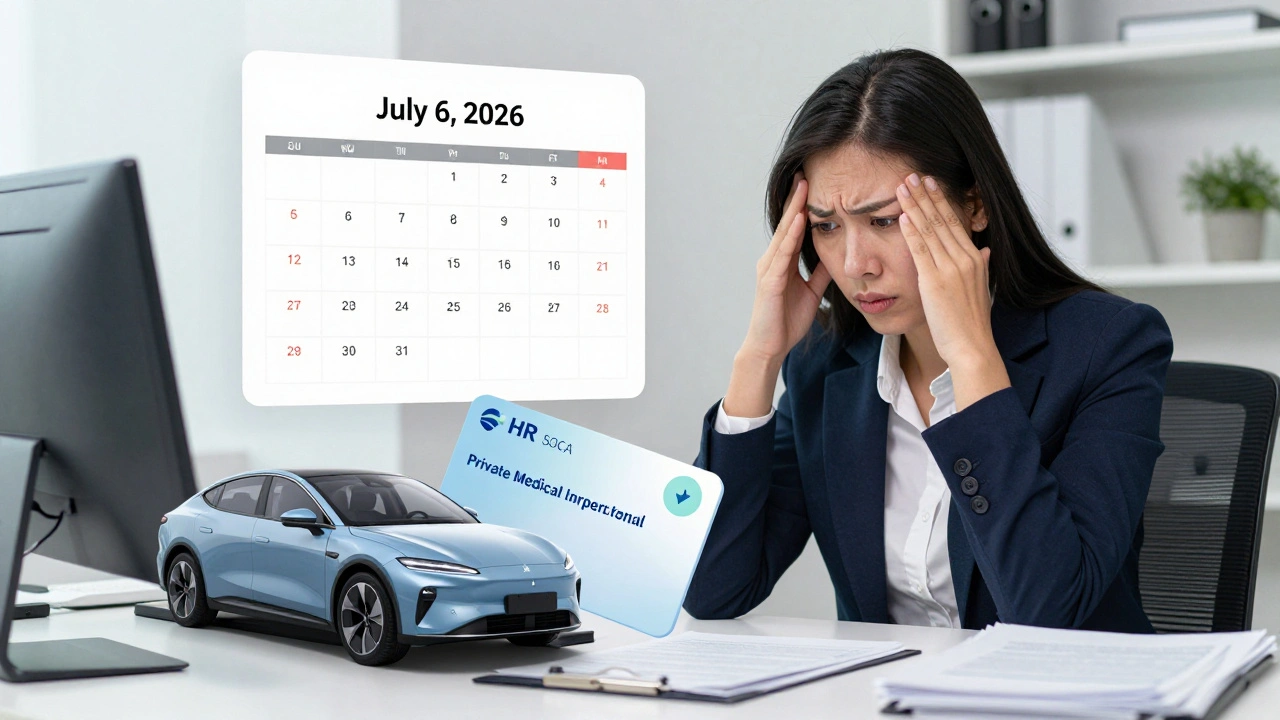
2 Jun, 2026It’s June 2026, and if you’re a UK employer or a high-earning employee, the clock is ticking on your annual tax obligations. You might think that paying a salary covers everything, but what about that company car? The private healthcare plan? Or even the gym membership paid for by your boss? These are benefits in kind, and they don’t just disappear from the tax radar.
In the UK, these perks have real tax consequences. Ignoring them can lead to hefty fines from HMRC, stress during audits, and unhappy employees who didn’t realize their 'free' perk actually cost them money in tax. This guide cuts through the jargon to explain exactly what needs to be reported on the P11D form, how the tax is calculated, and why getting this right matters for your bottom line.
What Are Benefits in Kind (BIK)?
At its core, a benefit in kind (BIK) is anything an employer provides to an employee other than cash wages. If it has monetary value and isn't exempt from tax, it’s a BIK. Think of it as part of your pay package, just not delivered via direct deposit.
Common examples include:
- Company cars: One of the most significant BIKs, taxed based on the car's CO2 emissions and list price.
- Private medical insurance: Coverage provided by the employer for the employee and sometimes their family.
- Mobile phones: Usually exempt if limited to one phone per employee, but tablets or laptops used privately may count.
- Interest-free loans: Loans under £10,000 are generally fine, but larger amounts trigger a taxable benefit.
- Subsidied meals: Regular free food at work can be a taxable benefit unless specific conditions are met.
The key rule is simple: if the benefit is available to everyone equally (like a canteen), it might be exempt. If it’s selective or valuable, it likely needs reporting.
Understanding the P11D Form
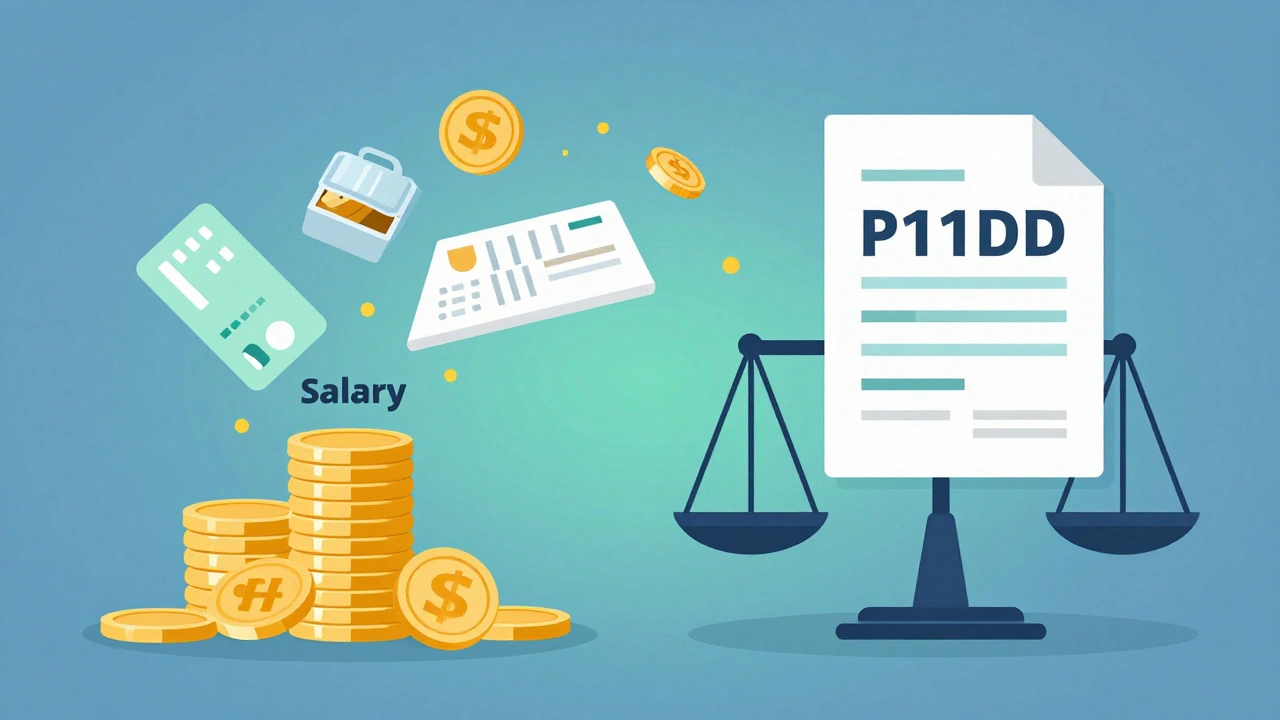
The P11D form is the official document employers use to report benefits and expenses to HM Revenue and Customs (HMRC). It’s not just a formality; it’s the bridge between your payroll system and the tax authority. Without it, HMRC doesn’t know about the non-cash compensation you’re providing.
Here’s what happens with the P11D:
- Reporting: Employers must submit the P11D for each employee who received benefits or expenses during the tax year (April 6 to April 5).
- Deadlines: For the 2025/2026 tax year, the deadline to send P11Ds to employees and HMRC is July 6, 2026. Late submissions incur penalties.
- Tax Calculation: The form details the cash equivalent value of each benefit. This value is added to the employee’s income for tax purposes.
If you have fewer than 25 employees and only provide minor, exempt benefits, you might not need to file a P11D. But if you offer cars, fuel, or loans, filing is mandatory.
How Benefits in Kind Are Taxed
Taxing benefits isn’t as straightforward as applying a flat rate. It involves two main components: Income Tax for the employee and National Insurance Contributions (NICs) for the employer.
Income Tax for Employees
The 'cash equivalent' of the benefit is added to the employee’s gross salary. They then pay income tax on this total amount at their marginal rate (20%, 40%, or 45%). For example, if an employee receives a company car valued at £2,000 for the year, they pay tax on that £2,000 as if it were extra salary.
Class 1A National Insurance for Employers
This is where many businesses get caught out. While employees pay income tax, employers must pay Class 1A National Insurance on the value of the benefits. As of 2025/2026, the rate is 13.8%. This is separate from regular payroll NI and is due by July 19 following the end of the tax year.
| Benefit Type | Employee Income Tax | Employer Class 1A NICs | Notes |
|---|---|---|---|
| Company Car | Yes (based on CO2%) | Yes (13.8%) | Electric cars have low CO2% rates, making them cheaper. |
| Private Medical Insurance | Yes (full cash value) | Yes (13.8%) | Costs are rising, increasing the tax burden. |
| Workplace Pension | No | No | Pensions are exempt from BIK tax rules. |
| Free Lunches | Maybe | Maybe | Exempt if provided in a subsidized canteen to all staff. |
Reporting vs. PAYE Settlement Agreements (PSAs)
Traditionally, employers report benefits via P11D and calculate tax due. However, there’s an alternative: the PAYE Settlement Agreement (PSA). Under a PSA, the employer pays the income tax and Class 1A NICs on behalf of the employee. This means the employee doesn’t see a tax bill for these benefits, and no P11D is issued to them.
PSAs are useful for small, irregular expenses like business entertainment or minor travel costs. However, they cannot cover major benefits like company cars or fuel. Choosing the wrong method can lead to compliance issues, so consult an accountant if you’re considering a PSA.
Common Mistakes to Avoid
Even experienced HR managers slip up on BIK reporting. Here are the most frequent errors:
- Ignoring Private Use: Assuming a laptop is exempt because it’s for work. If the employee uses it privately, a portion may be taxable.
- Miscalculating Car Tax: Using old CO2 figures. Electric vehicle (EV) tax rates change annually, often becoming more favorable. Always check the current year’s table.
- Missing Deadlines: Submitting P11Ds late. Penalties start at £100 per day after the deadline, plus fixed penalties for continued delays.
- Overlooking Exemptions: Not claiming exemptions for trivial benefits (under £50 per year) or working from home expenses up to £26 per week without receipts.
Steps to Ensure Compliance
Getting BIK right doesn’t have to be a nightmare. Follow these steps to stay compliant:
- Audit Your Benefits: List every perk offered. Check if it’s taxable or exempt using HMRC guidelines.
- Calculate Cash Equivalents: Determine the monetary value of each benefit. For cars, use HMRC’s percentage tables based on CO2 emissions.
- Choose Your Reporting Method: Decide whether to use P11D or a PSA. Most companies stick with P11D for simplicity.
- Submit on Time: Mark July 6 (for P11Ds) and July 19 (for Class 1A NICs) in your calendar. Set internal deadlines earlier to allow for review.
- Keep Records: Store evidence of exemptions and calculations for at least three years. HMRC may ask for proof.
Looking Ahead: Changes in 2026
The tax landscape shifts regularly. In 2026, expect stricter scrutiny on electric vehicle benefits as governments aim to balance environmental goals with revenue needs. Also, remote work policies continue to evolve, affecting how home office allowances are treated. Stay updated with HMRC announcements to avoid surprises.
Do I need to report small gifts as benefits in kind?
Generally, no. Gifts under £50 per year are considered 'trivial benefits' and are exempt from tax, provided they aren't part of salary negotiations or contractual rights. Examples include birthday cakes or holiday vouchers within the limit.
How is the tax on a company car calculated?
The tax is based on the car's list price multiplied by a percentage determined by its CO2 emissions. For 2025/2026, pure electric cars have very low percentages (often 2%), while high-emission cars face rates up to 37%. The result is the cash equivalent added to the employee's taxable income.
What happens if I miss the P11D deadline?
HMRC imposes automatic penalties. You’ll face a daily penalty of £100 for each return overdue after the deadline, plus a fixed penalty of £300 per return if you fail to submit within three months. Repeated failures can lead to higher fines and public disclosure.
Can employees claim tax relief on benefits?
Not directly on the benefit itself, as it’s already taxed. However, employees can claim relief for certain expenses related to their job, such as uniform costs or professional subscriptions, which reduces their overall taxable income.
Is private fuel for a company car taxable?
Yes, if the employer provides fuel for private use, it’s a taxable benefit. The cash equivalent is calculated using a fixed scale charge set by HMRC, regardless of actual usage. Electric vehicles have lower scale charges than petrol or diesel cars.