 by
by Packaging and Labelling for Overseas Markets: UK Compliance Guide
17 Aug, 2026Shipping a product from the UK to Germany or Japan isn't just about logistics; it's a legal minefield. One missing ingredient line or an incorrect font size can result in goods being seized at customs, fined by local authorities, or returned to sender. For UK businesses expanding internationally, understanding international packaging compliance is the difference between smooth entry into new markets and costly rework.
The rules change drastically depending on where you are sending your goods. What works perfectly well in London might be illegal in New York or mandatory in Singapore. This guide breaks down how to navigate these complex requirements without losing sleep over potential fines.
Why Local Rules Matter More Than Global Standards
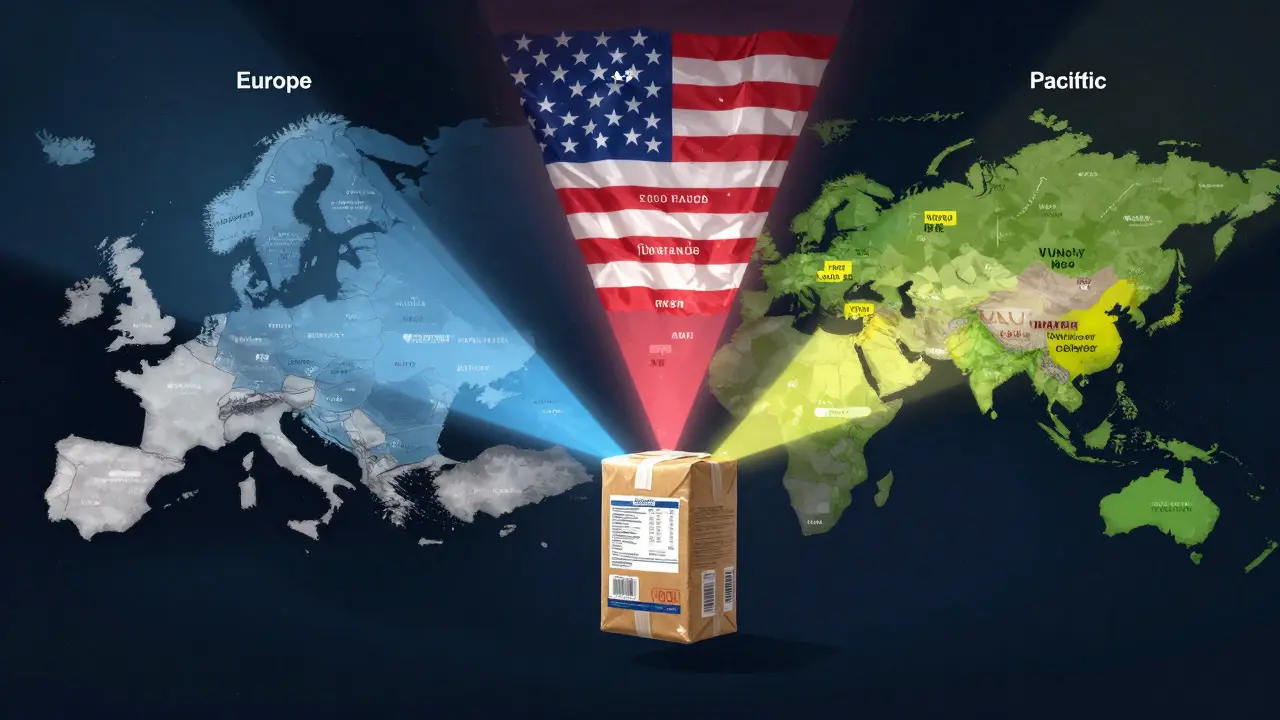
Many exporters assume that if their product meets UK standards, it will pass elsewhere. That assumption is dangerous. While global bodies like the Codex Alimentarius set general guidelines for food safety, individual countries often have stricter or entirely different labeling laws. For example, the EU requires specific health claims formatting that differs from US FDA rules, while Japan has unique requirements for character size and translation accuracy.
The core issue is jurisdiction. Each country treats imported goods as needing to protect its local consumers in its own way. This means you cannot rely on a single "global label." You need a localized strategy for every destination market. Ignoring this leads to what regulators call "non-compliant goods," which can trigger immediate detention at ports of entry.
Key Elements of Compliant Labelling
Regardless of the destination, certain elements are universal but require specific attention. Here is what you must get right:
- Language Requirements: Most markets require labels to be in the local language. The UK uses English, but France, Spain, and Germany mandate French, Spanish, and German respectively. Even in English-speaking countries like Australia or Canada, bilingual labeling (English/French) is often required in specific provinces or states.
- Metric vs. Imperial Units: The UK switched to metric decades ago, but the US still primarily uses imperial units (ounces, pounds). If you sell in the US, you must include both systems or convert correctly. In the EU, metric is strictly enforced.
- Allergen Declaration: The UK follows EU allergen rules, listing 14 major allergens. The US FDA lists 9. If you ship to the US, you don't need to list all 14, but you must clearly identify the 9. Conversely, shipping to the EU requires the full list.
- Net Content Statement: This must be visible and legible. The placement varies; in some Asian markets, it must be on the front panel, while in Europe, it can be on the back or side, provided it's easily readable.
Navigating Specific Regional Requirements
Let's look at three major markets and their distinct quirks.
The European Union
Post-Brexit, the UK is no longer part of the EU single market, meaning you now face import controls when selling to EU nations. The EU General Food Law Regulation (EC) No 1935/2004 governs packaging materials, ensuring they are safe for contact with food. Labels must display the name and address of the manufacturer or importer within the EU. Unlike the UK, where you can list a UK address, EU-bound goods often require an EU-based responsible person. Additionally, the EU mandates specific date formats (DD/MM/YYYY) and strict rules on "Best Before" vs. "Use By" dates.
The United States
US Customs and Border Protection (CBP) and the FDA work together to inspect imports. The FDA's Food Labeling Modernization Act requires detailed nutrition facts panels. A common pitfall for UK exporters is the serving size. The US recently updated serving size rules to reflect actual consumption patterns, which may differ from UK portion sizes. If your serving size doesn't match US norms, your entire nutrition panel calculation changes. Also, the US requires a "Distributed by" statement for imported foods, which must include a US address.
Asia-Pacific Markets
Markets like China, Japan, and South Korea have stringent translation laws. In Japan, for instance, the standard character height for Japanese text is often mandated to be larger than the accompanying English text. In China, the GB 7718 standard dictates that labels must be in Simplified Chinese. Furthermore, many APAC markets require a local distributor's details to be printed directly on the package, not just on documentation. This makes pre-printing generic labels difficult; you often need variable data printing or sticker overlays.
| Feature | United Kingdom | European Union | United States |
|---|---|---|---|
| Allergens | 14 Major Allergens | 14 Major Allergens | 9 Major Allergens |
| Date Format | DD/MM/YYYY | DD/MM/YYYY | MM/DD/YYYY | Units of Measure | Metric Only | Metric Only | Imperial & Metric |
| Importer Address | UK Address Required | EU Address Required | US Address Required |
| Language | English | Local Language(s) | English (Primary) |
Packaging Materials and Sustainability Laws
It’s not just about what’s written on the box; it’s about the box itself. Many countries now have Extended Producer Responsibility (EPR) schemes. In France and Germany, you must register with EPR organizations and pay fees based on the weight and type of packaging material used. Failure to do so can block your ability to sell online through platforms like Amazon or local retailers.
Sustainability claims also carry risk. If you print "Recyclable" on a package, you must ensure it is actually recyclable in that specific market. A plastic film that is recyclable in the UK might not be accepted in municipal recycling programs in parts of the US or Asia. Misleading environmental claims can lead to consumer lawsuits under unfair competition laws.
Common Pitfalls and How to Avoid Them
Based on industry experience, these are the top three errors UK exporters make:
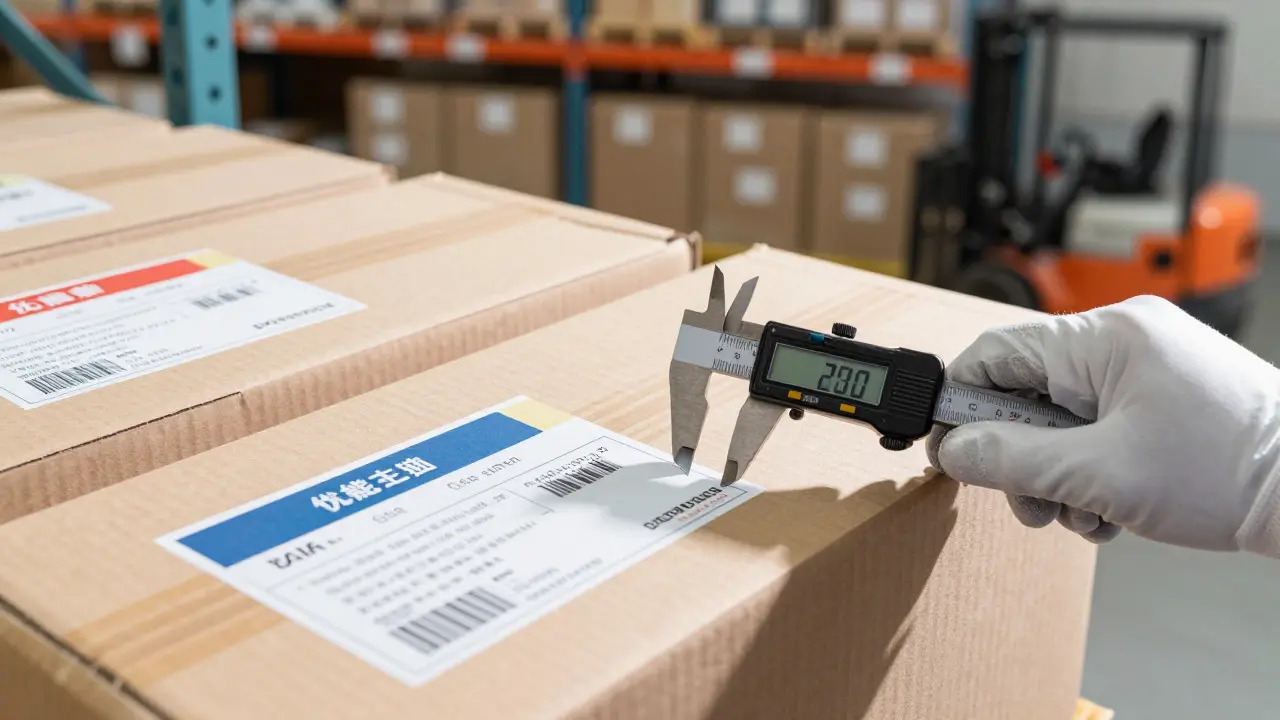
- Ignoring Font Size Minimums: Regulatory bodies specify minimum font heights (e.g., 1.2mm for x-height in the EU). If your design looks fine on a screen but fails physical inspection, your goods are stuck. Always test print and measure.
- Outdated Regulations: Laws change. The UK’s Red Tractor scheme changed, and the EU’s Farm to Fork Strategy is introducing new rules. Keep a compliance calendar or use a specialized software tool that updates automatically.
- Barcode Conflicts: GS1 barcodes are global, but check digit calculations vary by region if you are using non-standard prefixes. Ensure your EAN/UPC codes are registered correctly for the target market to avoid scanning issues at retail checkout.
Practical Steps for Compliance
To streamline your process, follow this workflow before shipping any batch:
- Map Your Destinations: List every country you plan to ship to. Do not group them loosely; treat each as a separate entity with unique rules.
- Consult a Local Expert: Use a customs broker or regulatory consultant in the target market. They know the nuances that aren't in public PDFs.
- Create Variable Data Templates: Design your master label with placeholders for local-specific fields (address, language, units). Use digital printing technology to swap these out per shipment.
- Conduct a Pre-Shipment Audit: Have a third party verify the final printed label against the local regulation checklist. Get this in writing.
- Keep Records: Store copies of approved labels and compliance certificates. If customs queries your shipment, having proof of due diligence speeds up clearance significantly.
Getting packaging and labelling right feels tedious, but it protects your brand reputation and cash flow. A delay at the border costs more than hiring a compliance specialist. Treat local rules as a competitive advantage-when your competitors struggle with returns, your products hit the shelf on time.
Do I need to translate my entire label for the EU?
Yes, for most consumer-facing information like ingredients, instructions, and warnings, the label must be in the official language(s) of the member state where the product is sold. Technical specifications can sometimes remain in English, but this varies by sector.
What happens if my label is slightly non-compliant?
Minor errors might be overlooked by customs officers, but retailers often have strict receiving checks. If caught, goods can be held until relabeled, leading to storage fees and missed sales windows. Major errors, like missing allergens, can lead to seizure and fines.
Can I use one label for multiple countries?
Only if those countries share identical regulations. For example, you might use similar labels for Ireland and the UK, but not for the UK and France. Multi-country labels usually end up too cluttered to meet font size minimums, making them impractical.
Who is responsible for checking compliance: the manufacturer or the importer?
Legally, the responsibility lies with the person placing the product on the market. For exports, this is often the exporter (you), but the importer shares liability. It is best practice for the exporter to ensure compliance before shipping to avoid disputes with importers later.
How often do labelling laws change?
Frequently. The EU updates food law annually, and the US FDA revises nutrition rules periodically. Staying compliant requires ongoing monitoring rather than a one-time setup. Annual reviews of your label library are recommended.