
 by
by Payment Methods for International Trade from the UK: Safe Transactions
12 Sep, 2026You just landed your first big order from a buyer in Singapore. The contract is signed, the goods are ready, and you’re feeling great. Then comes the question that keeps many UK exporters up at night: How do I actually get paid?
Sending money across borders isn’t like Venmo-ing a friend for lunch. It involves different banking systems, currencies, laws, and trust issues. If you send the goods before getting paid, you risk losing everything. If you demand full payment upfront, you might lose the deal to a competitor who offers better terms. Finding the right balance between speed, cost, and security is the core challenge of international trade.
The Trust Gap in Cross-Border Deals
Domestic trade relies on shared legal frameworks. If a UK company doesn’t pay another UK company, you can take them to court using familiar laws. International trade throws this out the window. A supplier in Manchester has little practical recourse if a buyer in Jakarta refuses to pay after receiving the shipment. You can’t easily sue someone in Indonesia without hiring local lawyers and navigating foreign courts.
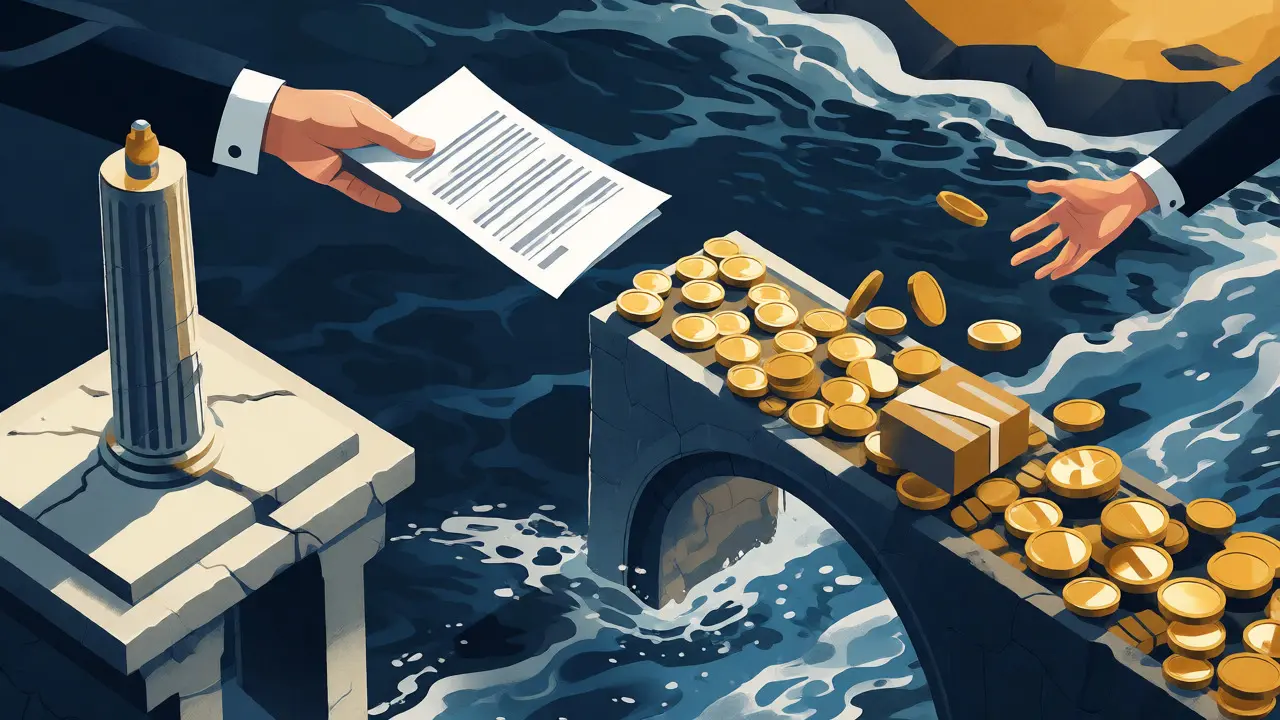
This lack of immediate legal enforceability creates a "trust gap." Payment methods exist to bridge this gap. They aren’t just ways to move cash; they are tools to manage risk. Some shift the risk to the seller (you), some to the buyer, and others use banks as neutral referees. Choosing the wrong method can turn a profitable sale into a financial disaster.
Open Account: Fast but Risky
Open Account is the most common method in modern global trade, accounting for roughly 80% of all cross-border transactions. Here’s how it works: you ship the goods, send the documents, and invoice the buyer. They agree to pay you within an agreed period, say 30 or 60 days.
Why is it so popular? It’s cheap and fast. There are no bank fees for processing the transaction itself, and the paperwork is minimal. For the buyer, it’s ideal because they get the goods before parting with their cash. This improves their working capital.
But for you, the UK exporter, it’s risky. You have already spent money on production and shipping. If the buyer goes bankrupt or simply decides not to pay, you’re left holding the bag. Open account only makes sense if you have a long-standing relationship with the buyer or if you’ve done thorough credit checks. Never start a new relationship on open account terms unless you have insurance.
Letter of Credit: The Bank Guarantees the Deal
If you don’t trust the buyer, or if they are in a country with unstable banking systems, you need a referee. Enter the Letter of Credit (LC). An LC is a formal promise from the buyer’s bank that they will pay you, provided you submit specific documents proving you shipped the goods correctly.
Think of it as an escrow service for trade. The buyer deposits funds or secures a line of credit with their bank. That bank then instructs your bank (or a confirming bank) to pay you once you present clean bills of lading, commercial invoices, and packing lists. If the documents match the LC terms exactly, the bank pays. Period. They don’t care if the goods are late or slightly defective, as long as the paper trail is perfect.
This shifts the credit risk from the buyer to the bank. Banks rarely go bust, whereas companies do. However, LCs are expensive. Fees can range from $150 to over $1,000 per transaction, plus additional costs for amendments if there’s a typo in the paperwork. One small error-a misspelled city name, a date discrepancy-can cause the bank to reject payment. This is known as a "discrepancy," and fixing it takes time and money.
| Method | Risk Level (Seller) | Cost | Speed | Best For |
|---|---|---|---|---|
| Open Account | High | Low | Fast | Trusted partners, repeat business |
| Letter of Credit | Low | High | Moderate | New buyers, high-value orders, risky regions |
| Cash in Advance | None | Low | Slow (for buyer) | Small samples, custom products, new buyers |
| Documentary Collection | Medium | Medium | Moderate | Mid-tier trust relationships |
Cash in Advance: The Safest Option for Sellers
Yes, asking for payment before you even make the product sounds aggressive. But Cash in Advance eliminates your risk entirely. Once the money hits your UK bank account, you’re free to produce and ship.
Buyers hate this method. Why would they pay months before receiving goods? They lose interest on their capital and take on the risk that you might not deliver. However, for small orders, custom-made items, or when dealing with a brand-new client in a high-risk market, it’s often the only way to sleep well at night.
To make this palatable, many exporters offer a hybrid approach: 30% deposit upfront to cover raw materials, and the remaining 70% upon proof of shipment (like a copy of the bill of lading). This splits the risk and keeps both parties happy.
Documentary Collection: A Middle Ground
What if an LC is too expensive, but open account is too risky? Consider Documentary Collection. In this setup, your bank sends the shipping documents to the buyer’s bank. The buyer’s bank releases the documents to the buyer only after they pay (D/P - Documents against Payment) or accept a draft promising future payment (D/A - Documents against Acceptance).
The key here is control of the documents. Without the original bill of lading, the buyer cannot claim the goods from the port. This gives you leverage. If they don’t pay, they don’t get the cargo. However, unlike an LC, the bank does not guarantee payment. If the buyer refuses to pick up the goods, you’re stuck paying storage fees at a foreign port and possibly arranging return shipping.
Documentary collection is cheaper than an LC but still involves bank fees and document handling charges. It requires strict adherence to banking rules set by the International Chamber of Commerce (ICC). Misunderstanding these rules can lead to delays, so ensure your freight forwarder and bank communicate clearly.
Managing Currency Risk and Exchange Rates
Getting paid is one thing; keeping the value of that payment is another. If you invoice in US Dollars and the Pound strengthens against the Dollar before you convert the funds, you lose profit margin. This is currency risk.
Many UK businesses default to invoicing in GBP. This pushes the currency risk onto the buyer. While simpler for you, it might make your prices less competitive. Alternatively, you can invoice in the buyer’s currency but hedge your exposure. Using forward contracts allows you to lock in an exchange rate today for a payment expected in three months. This certainty helps with budgeting and protects your margins from volatile markets.
Don’t ignore hidden fees either. Your bank might charge a correspondent bank fee, which gets deducted from the incoming transfer. If you expect $10,000, you might receive $9,945. Always clarify who bears the banking charges-sender, receiver, or shared-before signing the contract.
Practical Steps to Secure Your Transaction
Regardless of the method you choose, follow these steps to minimize headaches:
- Verify the Buyer: Use services like Creditsafe or Experian to check the financial health of your overseas partner. Don’t rely solely on their website.
- Get Export Credit Insurance: In the UK, UK Export Finance (UKEF) offers guarantees. Private insurers also provide policies that cover non-payment due to insolvency or political unrest. This is crucial for open account deals.
- Standardize Contracts: Use Incoterms® 2020 rules (like FOB or CIF) to clearly define who pays for shipping and insurance. Ambiguity leads to disputes.
- Digital Tools: Platforms like Wise Business or Payoneer often offer better exchange rates and lower fees than traditional high-street banks for smaller transactions. Compare their total cost against your bank’s wire transfer fees.
Frequently Asked Questions
Is a Letter of Credit always safer than Open Account?
Generally, yes, because it substitutes the buyer's creditworthiness with the bank's. However, it is only safe if the documents are prepared perfectly. Any discrepancy in paperwork can void the bank's obligation to pay, leaving you in a difficult position. Additionally, it does not protect against fraud where the buyer provides fake documents to their own bank.
Who pays the bank fees for international transfers?
This depends on the instruction code used in the SWIFT message. "OUR" means the sender pays all fees. "BEN" means the beneficiary (receiver) pays all fees, including intermediary bank charges. "SHA" (Shared) means each party pays their own bank's fees, but intermediary fees are usually deducted from the principal amount. Clarify this in your sales contract to avoid shortfalls in received funds.
Can I use cryptocurrency for international trade payments?
While growing, cryptocurrency is not yet standard for B2B trade. Volatility is a major issue; the value could drop significantly between the invoice date and settlement. Regulatory uncertainty in various countries also poses compliance risks. Most UK exporters stick to fiat currencies via established banking channels until regulatory frameworks stabilize further.
What happens if the buyer refuses to collect the goods under Documentary Collection?
You retain ownership because you hold the title documents. However, you face demurrage (storage) charges at the destination port. You must decide whether to resell the goods locally, ship them back to the UK, or find a new buyer. This is why Documentary Collection carries medium risk-it protects ownership but not liquidity.
How does Brexit affect payment methods for UK traders?
Brexit introduced customs declarations and VAT complexities when trading with the EU, similar to non-EU countries. While payment mechanisms like Letters of Credit remain valid, the increased administrative burden has made some European buyers more cautious about credit terms. Many UK firms now treat EU trade with the same rigorous credit checks previously reserved for non-EU markets.