
 by
by Performance Management in the UK: How to Build a Stronger Team with Real Feedback
13 Mar, 2026When you manage a team in the UK, you’re not just tracking output-you’re shaping culture. The old model of annual reviews and scorecards doesn’t work anymore. Employees expect honest, regular conversations. Leaders who skip feedback aren’t just missing data-they’re losing trust, motivation, and talent.
Why UK Teams Need Better Feedback
In the UK, 62% of employees say they don’t get meaningful feedback more than once a year, according to a 2025 CIPD survey. That’s not just a statistic-it’s a drain on productivity. Teams that get consistent, specific feedback are 3.5 times more likely to meet their goals. But feedback isn’t about ticking boxes. It’s about connection.
Think about it: when was the last time someone told you exactly what you did well-and what you could improve-right after you did it? Most people wait for a yearly review. By then, the moment’s gone. The memory’s faded. The chance to grow is lost.
Feedback That Actually Moves the Needle
Not all feedback is created equal. Vague comments like “You need to improve” or “Great job” don’t help anyone. Effective feedback has three parts: context, behavior, and impact.
- Context: When and where did it happen?
- Behavior: What exactly did the person do or say?
- Impact: How did it affect the team, project, or client?
Instead of saying, “You’re not a strong presenter,” try: “During yesterday’s client call, you spoke quickly and skipped the key data points. The client asked for a follow-up email because they weren’t sure what you were recommending. Next time, pause after each slide to let the message sink in.”
This style works because it’s specific, non-judgmental, and tied to real outcomes. It’s not about blaming-it’s about coaching.
How Often Should You Give Feedback?
Monthly check-ins are the sweet spot for most UK teams. Not formal reviews. Not 30-minute meetings. Just 15 minutes of focused conversation.
Here’s how to structure them:
- Start with what went well since the last talk.
- Ask: “What’s one thing you’d like to improve next month?”
- Share one observation about their work-positive or constructive.
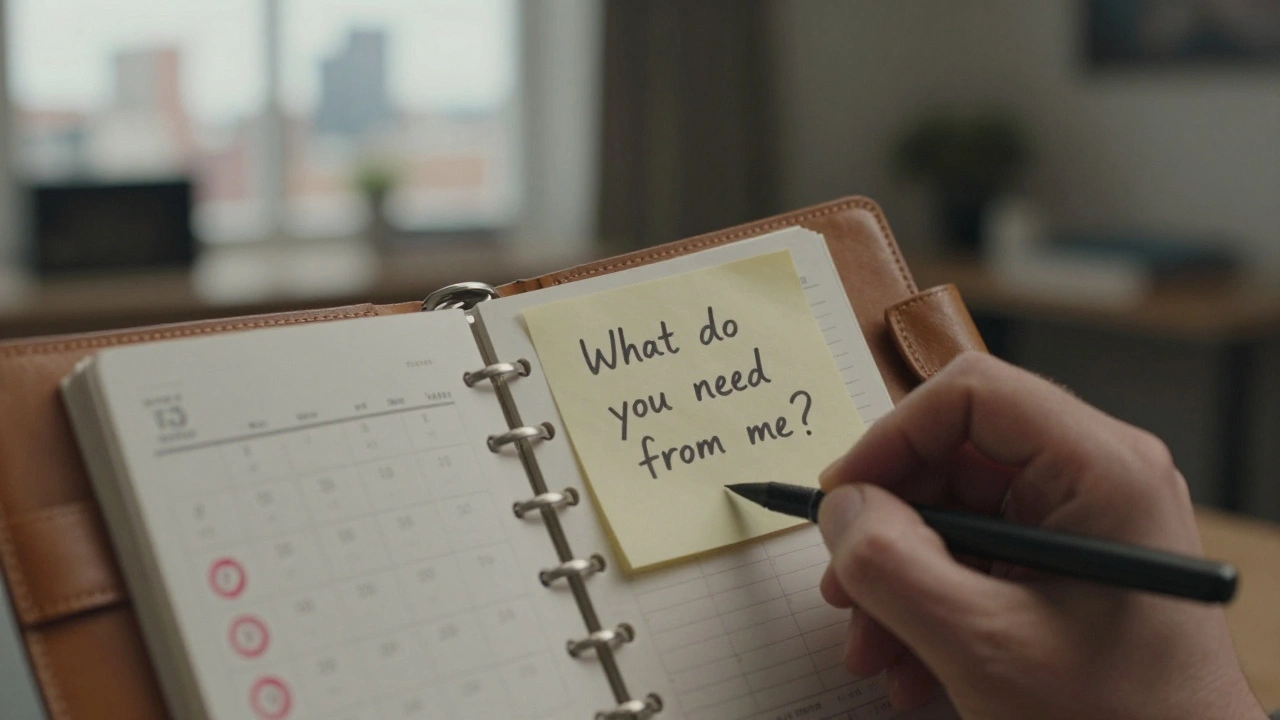
- End with: “What support do you need from me?”
This format keeps it simple, two-way, and forward-looking. It’s not about fixing problems-it’s about building momentum.

What Happens When You Skip Feedback
Teams without regular feedback start to drift. People stop taking risks. They wait for permission. They stop asking questions. Quiet disengagement sets in.
In a 2024 study of 120 UK-based teams, managers who gave feedback less than once a quarter saw:
- 41% higher turnover in the first year
- 37% drop in initiative-taking
- 29% longer project delivery times
That’s not just about performance. It’s about morale. People leave managers, not companies. And the number one reason they cite? “I never felt like my manager understood my work.”
Feedback Isn’t Just for Poor Performers
Too many leaders think feedback is only for fixing problems. That’s a mistake. High performers need feedback too-maybe even more.
When someone consistently delivers great work, they’re not looking for praise. They’re looking for growth. What’s the next level? How can they lead a project? Mentor someone else? Take on a stretch goal?
One manager in Manchester told me she started asking her top performers: “What’s one skill you want to build this quarter that no one else on the team is working on?” That simple shift turned her star employees into internal coaches. They started leading training sessions. Their engagement scores jumped 52% in six months.
Tools That Help-But Don’t Replace Conversation
There are apps that track feedback: 15Five, Lattice, Microsoft Viva. They’re useful for logging notes and spotting patterns. But they’re not replacements for real talk.
Here’s what works:
- Use the tool to remind you to have the conversation-not to do it for you.
- Don’t let feedback become a form-filling exercise. If you’re typing while someone talks, you’re not listening.
- Keep the conversation human. Ask how they’re feeling, not just what they did.
The best feedback systems are simple: a calendar, a notebook, and the courage to speak up.
What Does Great Feedback Look Like in Practice?
Take Sarah, a project lead in Bristol. She started giving feedback after every client meeting-no matter how small. One week, she said to her team member: “You noticed the client’s hesitation when we talked about pricing. You paused, asked a clarifying question, and changed the whole direction of the conversation. That’s emotional intelligence in action. Keep doing that.”
That one comment changed everything. The team member started volunteering for client calls. Within three months, they were leading them.
That’s the power of feedback done right. It doesn’t just correct-it connects. It doesn’t just evaluate-it empowers.
Start Small. Start Now.
You don’t need a fancy system. You don’t need to overhaul your whole process. Just pick one person on your team and have a real conversation this week.
Ask them:
- What’s one thing you’re proud of from the last month?
- What’s one thing you’d like to try differently?
- What do you need from me to make that happen?
Write down what they say. Then follow up next week. Not with a report. Not with a form. Just with a question: “How’s it going with what we talked about?”
That’s how culture changes. Not with policies. Not with training videos. But with one honest conversation at a time.
What Stops Leaders from Giving Feedback?
Most managers say they don’t have time. But time isn’t the real issue. Fear is.
- Fear of conflict
- Fear of sounding harsh
- Fear of being wrong
- Fear of making someone feel bad
Here’s the truth: silence is harsher than honest words. Avoiding feedback doesn’t protect people-it isolates them.
Start by practicing on low-stakes situations. Give feedback on a small win. Then a small misstep. Get comfortable with the rhythm. You’ll find it gets easier. And your team will notice.