
 by
by Product Development for UK Businesses: How to Create New Revenue Streams
10 Feb, 2026UK businesses are stuck in a cycle many don’t even realize they’re in: they keep selling the same products to the same customers, hoping for growth. But margins are shrinking, competition is louder, and customer expectations keep moving. The real opportunity isn’t in selling more of what you already do-it’s in building something new. Product development isn’t just for tech startups. It’s the quiet engine behind every UK company that’s grown 20% or more in the last three years. And it doesn’t require a massive R&D budget. It requires a shift in thinking.
Start with what your customers already ask for
Most businesses think innovation means inventing something no one’s ever seen. That’s not true. The most successful new products come from listening to what customers are already saying-just not in the right place. Look at your customer service logs. Check your support tickets. Read the reviews on Trustpilot or Google. You’ll find patterns. A recurring complaint. A feature someone wishes existed. A workaround they’ve built themselves.
Take a UK-based kitchenware retailer. Their top-rated product was a stainless steel whisk. But 17% of reviews mentioned, "I wish this came with a silicone sleeve for grip." Not a big request. No one was asking for a smart whisk. Just a better grip. They added a silicone sleeve at zero extra cost to production. Sold it as a "Premium Grip Edition." Revenue from that one variant jumped 43% in six months. That’s product development with zero R&D. Just observation.
Build minimum viable products-not perfect ones
The biggest mistake UK businesses make is waiting. Waiting for the perfect design. Waiting for approval from five managers. Waiting for market research that takes six months. By then, the window is gone.
Instead, build a minimum viable product (MVP). Not a prototype. Not a concept. A real, sellable version that solves one specific problem better than anything else. It can be simple. It can be basic. But it must be functional and deliver clear value.
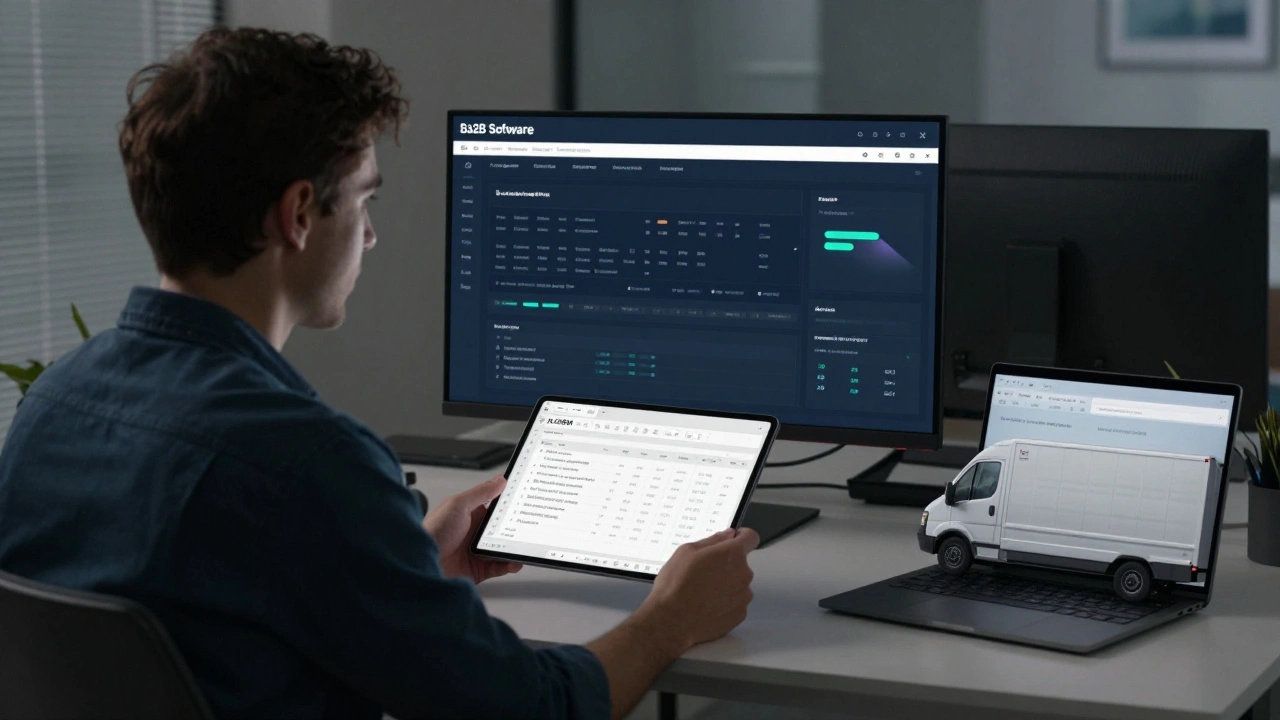
A London-based B2B software company wanted to enter the logistics sector. Instead of building a full fleet management system, they launched a simple Excel plugin that auto-calculated delivery route savings based on fuel prices and traffic data. No app. No UI. Just a .xlsm file. They sold it to 87 small haulers in three weeks. That MVP became the foundation for their full SaaS platform. The plugin paid for itself in 11 days.
Use existing infrastructure, not new systems
You don’t need to overhaul your ERP. You don’t need to hire a product team. You don’t need a new website. Most UK businesses already have everything they need to launch a new product. Your sales team knows what clients want. Your suppliers know what materials are available. Your production line has unused capacity. Your CRM has customer data no one’s touched.
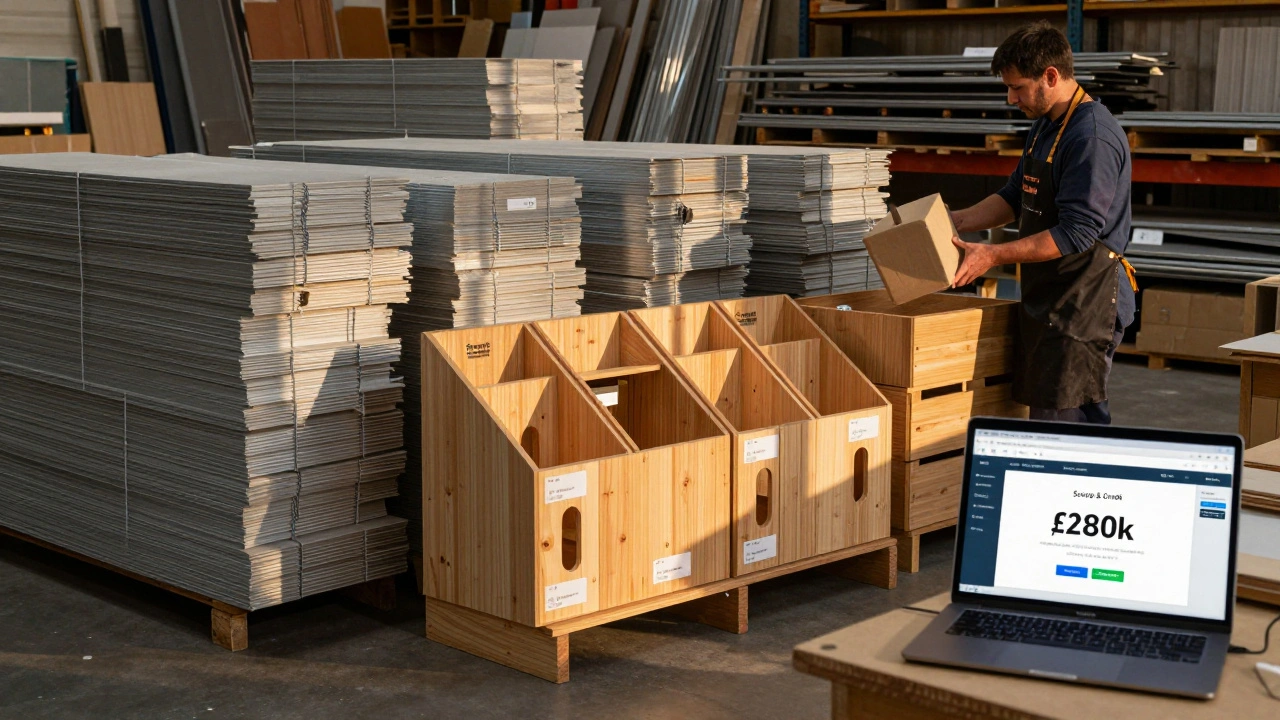
One Midlands manufacturing firm had 22% idle machine time after shifts. They also had a warehouse full of leftover aluminum offcuts from larger orders. Instead of recycling them, they designed a line of custom desk organizers-each one made from a unique offcut. No new tooling. No new materials. Just repurposing waste. They sold them online under a new sub-brand: "Scrap & Craft." Within nine months, it was generating £180,000 in annual revenue. With zero marketing spend.
Test before you scale
Don’t launch a new product nationwide. Don’t order 5,000 units. Don’t run a TV ad. Test it first with a small, targeted group. Use your existing customers. Use local communities. Use LinkedIn groups. Use Facebook Marketplace. Use your email list.
A Sheffield-based pet food brand wanted to launch a grain-free treat for senior dogs. Instead of manufacturing a full line, they made 200 small batches, handed them out for free to vets in their region, and asked for feedback. 92% of owners said they’d buy it. 68% said they’d pay £5.99 for a 200g pack. That’s how they set the price. That’s how they knew the demand. They launched online with a pre-order campaign. Sold out in 11 days. Then scaled production.
Price for value, not cost
Most UK businesses price products by adding up costs and slapping on a 50% margin. That’s backward. Customers don’t care about your overhead. They care about the outcome.
A Welsh cleaning service started offering a "Deep Clean + Odor Elimination" add-on for homes with pets. Their cost was £8 extra. They charged £25. Why? Because pet owners didn’t just want clean floors-they wanted to stop being embarrassed when guests came over. The emotional payoff was worth far more than the service cost. They didn’t lose customers. They gained loyalty. Repeat bookings jumped 60%.
Price based on what the customer saves, what they avoid, or how they feel. Not on your labor hours.
Track the right metrics
Don’t measure sales volume alone. Track these three numbers:
- Conversion rate from trial to paid - If less than 30% of people who try your new product buy it, you’ve got a problem.
- Customer retention after 90 days - If people stop using it after three months, it’s not solving a lasting problem.
- Net Promoter Score (NPS) for the new product - If your NPS is below 40, you’re not creating advocates.
One Manchester-based fitness equipment company launched a smart resistance band. Their sales were steady. But their 90-day retention was 18%. They dug in. Found out users didn’t know how to use the app. So they added a 3-minute video tutorial inside the packaging. Retention jumped to 62%. Sales doubled. All because they watched retention-not just sales.
Don’t wait for perfect timing
There’s no "right time" to launch a new product. The market won’t wait. Your competitors won’t wait. Your customers are already looking for better solutions.
UK businesses that grew fastest between 2022 and 2025 didn’t wait for Brexit to settle. They didn’t wait for inflation to drop. They didn’t wait for AI tools to become "mainstream." They built. They tested. They iterated. And they kept going.
Product development isn’t a project. It’s a habit. It’s asking, "What’s one small thing we could make next week?" It’s not about being brilliant. It’s about being consistent. The next revenue stream isn’t hiding in a boardroom. It’s in your customer emails. In your leftover materials. In your unanswered support tickets.
Start small. Ship fast. Listen harder. The next product you create might not change the world. But it could change your business.
How long does it take to develop a new product for a UK business?
It doesn’t have to take months. Many successful new products were built in under 30 days. The key is starting with a narrow problem-something your existing customers already mention. A simple MVP, like adding a feature to an existing product or repackaging existing materials, can be launched in a week. Full-scale development with new manufacturing might take 3-6 months, but you don’t need to wait for that to start generating revenue.
Do I need a team to develop a new product?
No. Most small and medium UK businesses develop new products with their existing staff. Your sales team knows what customers want. Your operations team knows what’s possible. Your finance team knows what’s affordable. You don’t need a product manager. You need a process: listen, build, test, repeat. Many founders launch their first new product alone-using free tools like Canva, Shopify, and Google Forms.
What’s the cheapest way to test a new product idea?
Sell it before you make it. Use a landing page with a "Pre-Order Now" button. Collect emails. Offer a 20% discount for early buyers. If 50 people sign up, you have proof of demand. If no one signs up, you saved thousands. This method works for physical products, digital tools, and services. It’s called the "pre-sell" model-and it’s how many UK startups validated ideas without spending a penny on inventory.
Can service-based businesses create new products?
Absolutely. A cleaning company can create a self-serve cleaning kit. A consultant can package their advice into a downloadable checklist or video course. A plumber can sell a maintenance calendar with reminders. Products don’t have to be physical. Any repeatable service can be turned into a scalable product-often with 70%+ profit margins because there’s no delivery cost.
How do I know if a new product idea is worth pursuing?
Look for three signs: 1) Customers are already asking for it (check reviews, emails, support tickets), 2) You can build it with existing resources (materials, staff, tools), and 3) You can test it with a small group in under two weeks. If all three are true, it’s worth pursuing. If any one is missing, pause. Don’t waste time on ideas that require new systems, new hires, or new funding.