 by
by Public Relations for UK Businesses: How to Get Media Coverage
31 Jan, 2026Getting media coverage in the UK isn’t about sending out press releases and hoping for the best. It’s about building real relationships, understanding what journalists actually need, and positioning your business as a credible source-not just another pitch. Too many UK businesses treat PR like a checkbox: write a press release, email 50 journalists, and wait. That rarely works. The ones that succeed? They know the UK media landscape inside out.
Know Who You’re Talking To
British journalists aren’t looking for fluffy company bios. They want stories with impact, context, and local relevance. A London-based tech startup launching a new app won’t get coverage just because it’s "innovative." But if that same app helps small UK retailers cut delivery costs by 30%, and you can show real data from three local shops using it? That’s a story. The Guardian, Financial Times, and BBC News get hundreds of pitches a day. Local outlets like Manchester Evening News or Wales Online get fewer-but they’re hungry for stories that matter to their readers. If your business is based in Leeds, don’t pitch to London reporters first. Start with Yorkshire-based journalists. They’re more likely to cover you, and if you get traction there, national outlets will notice.Build Relationships Before You Need Them
You don’t wait until you have a product launch to email a journalist. That’s like showing up at a party and asking someone to lend you money. Journalists build trust over time. Follow them on X (formerly Twitter). Comment on their articles with insight-not just "Great piece!"-but something like, "I’ve seen this trend in the Midlands too, especially with independent grocers shifting to local sourcing." Some PR professionals keep a simple spreadsheet: journalist name, outlet, beat (e.g., retail tech, small business finance), last contact, and what they wrote about last. Update it monthly. When you have a story, reach out personally: "Hi Sarah, I saw your piece on supply chain delays last week. We’ve helped three Devon-based food producers cut delays by 40% using a new tracking tool. Would you be open to a quick chat?"Stop Writing Press Releases Like a Corporate Memo
Most UK journalists hate press releases that read like marketing brochures. They’re full of jargon: "leveraging synergies," "disruptive innovation," "end-to-end solutions." Real people don’t talk like that. Journalists want facts, quotes, and context. A good UK press release has:- A clear headline that answers: Why should anyone care?
- The first paragraph: who, what, where, when, why-in plain language
- A quote from a real person (CEO, founder, customer)-not a PR rep
- Hard data: percentages, numbers, timeframes
- A short boilerplate (2-3 lines) about the company
- No attachments. Send as plain text in the email body
Use Local Angles to Go National
The UK media loves local stories with national implications. If you’re a Manchester-based eco-packaging company that switched to 100% compostable materials, don’t pitch it as "a sustainability win." Pitch it as: "How a small Manchester business is forcing major supermarkets to rethink plastic use-before new UK regulations kick in this summer." That gives journalists a hook: regulation changes, local business impact, and a ticking clock. The BBC Business team covered exactly this story last year when a Bristol-based startup did the same thing. They didn’t care about the company’s funding round-they cared about the ripple effect.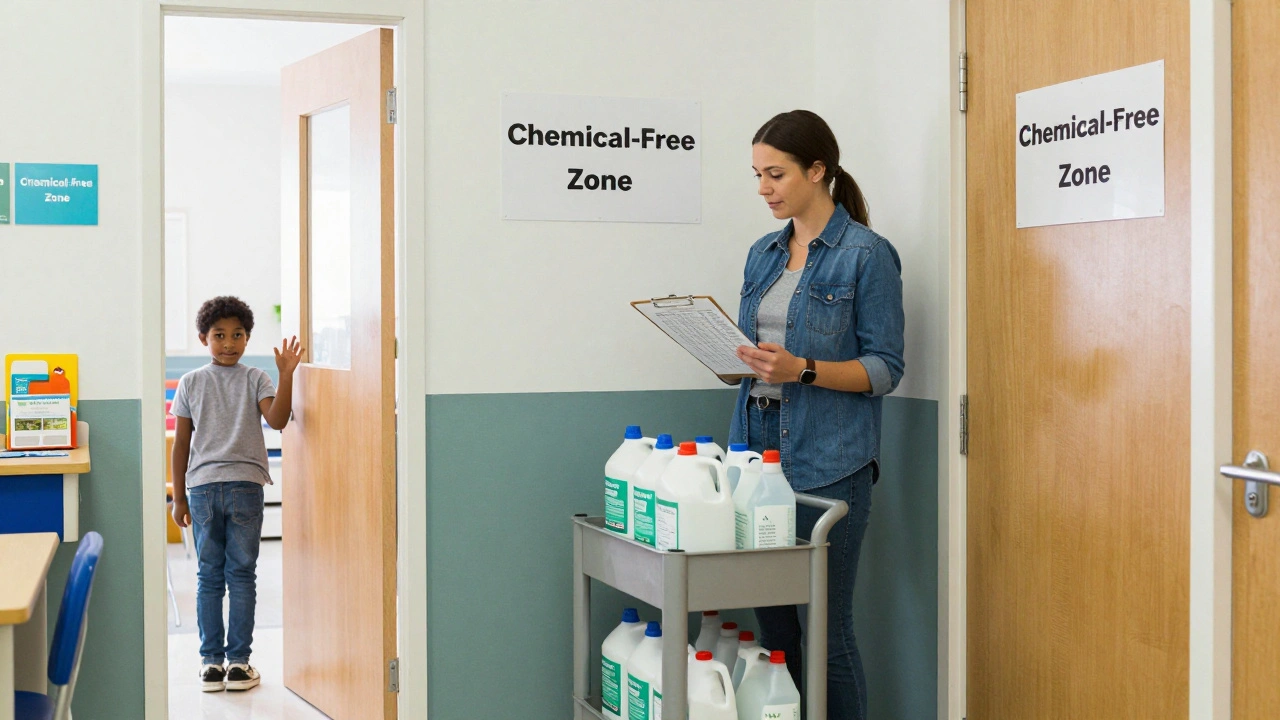
Timing Matters More Than You Think
UK journalists work on tight deadlines. If you’re pitching a product launch for March 15, email them on February 1. Not February 14. Not March 1. February 1. That gives them time to plan, assign, and schedule. Also, avoid major news days. If the Prime Minister announces a tax change on a Tuesday, your email will get buried. Check the UK media calendar: the week after Christmas, the week before Easter, and the last week of July are dead zones. Journalists are on holiday. Nobody’s reading emails.Offer Something They Can’t Say No To
Journalists need content fast. If you can give them:- A ready-made quote from a satisfied customer
- High-res photos of your product in use
- Access to your CEO for a 15-minute phone call
- Exclusive data from a survey you conducted
Don’t Chase National Media Too Soon
It’s tempting to target the Telegraph or Reuters right away. But most UK national outlets only cover businesses that already have local proof. Start with regional newspapers, trade magazines, and local radio. Business Live (regional business section), Small Business Today, and podcasts like The UK Startup Show are goldmines. Once you’ve got three or four local mentions, national outlets will notice. They’re always looking for stories that already have traction. A story that’s been covered in three regional papers? That’s a signal. That’s credibility.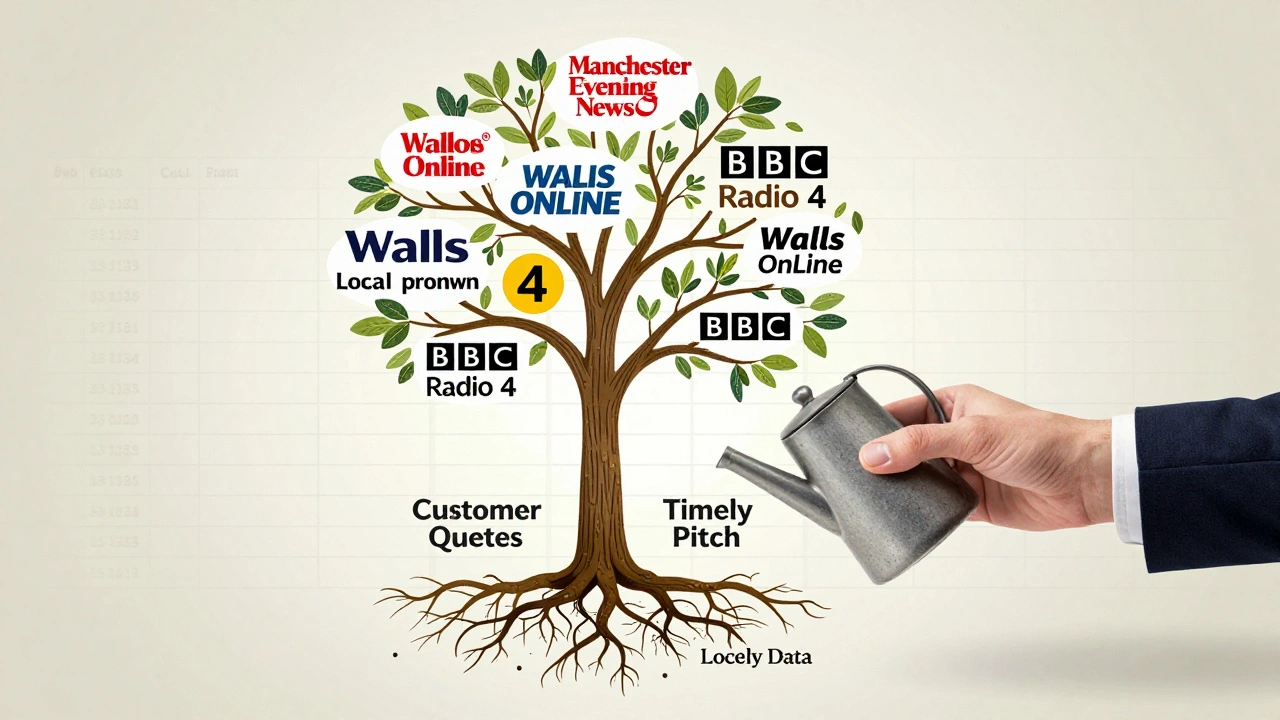
Track What Works-and Stop Doing What Doesn’t
Keep a simple log: date pitched, journalist name, outlet, response (yes/no/ignored), and outcome. After three months, look at the pattern. Did you get coverage every time you included a customer quote? Did you get zero replies when you sent PDFs? Did local radio always say yes? One Bristol-based bakery got 17 media hits in six months by doing just one thing: every time they launched a new product, they sent a photo of the head baker holding it with a handwritten note: "Made with 100% British flour. Here’s why that matters." No press release. No fluff. Just authenticity.What Not to Do
- Don’t send the same email to 100 journalists. Journalists talk to each other. You’ll get labeled as spam.
- Don’t follow up every day. One polite follow-up after 7 days is enough.
- Don’t promise exclusivity unless you mean it. Breaking that trust kills your reputation.
- Don’t pitch a story that’s already been covered in the same outlet last month.
- Don’t use buzzwords like "game-changing" or "revolutionary." They mean nothing.
Real Example: How a Yorkshire Cleaning Company Got on BBC Radio 4
A small cleaning service in Leeds, called GreenClean, didn’t have a big budget. They didn’t hire a PR agency. Instead, they noticed that many UK schools were switching to chemical-free cleaning after new health guidelines. They took data from their own clients-12 schools-and showed a 40% drop in staff sick days after switching to their plant-based products. They wrote a short, plain email to a BBC Radio 4 health reporter: "We’ve tracked sick days in 12 schools using our non-toxic cleaners. Results: 40% fewer absences. Would you be interested in a 10-minute chat? We can send you the full data." They got the call. The segment aired during the morning news. Within a week, they had 87 new inquiries. No ads. No paid promotion. Just a clear story, real data, and a journalist who didn’t have to do extra work.Final Tip: PR Is a Long Game
Media coverage doesn’t happen overnight. It takes months of consistent, thoughtful outreach. But once you build trust with even one journalist, they’ll come back to you. That’s the real win. You’re not just getting a story. You’re becoming a go-to source. Start small. Be helpful. Tell the truth. And stop treating PR like a broadcast. It’s a conversation.How long does it take to get media coverage in the UK?
It usually takes 3 to 6 months of consistent outreach to land your first meaningful coverage. Some businesses get lucky and get picked up in 4 weeks, but that’s rare. The ones who succeed spend the first 90 days building relationships, not pitching. Journalists need to know you’re reliable before they’ll run your story.
Should I hire a PR agency for UK media coverage?
Only if you have the budget and the right agency. Many UK PR agencies charge £3,000-£10,000 a month and focus on big national outlets. But they don’t always know your local market. If you’re a small or mid-sized business, you can often do better yourself. Learn the journalists, write clear pitches, and focus on local angles. A good agency helps if you’re scaling fast-but it’s not a shortcut.
What’s the best way to find UK journalists to pitch?
Use tools like Meltwater or Cision to search by beat and outlet, but don’t rely on them alone. Go straight to the source: visit the website of your target outlet, find the "Contact" or "Write for Us" page, and look at recent articles. Who wrote them? Follow them on X. Read their articles. Then reach out with a specific comment or idea. Personalization beats automation every time.
Can I get coverage without a press release?
Absolutely. Many journalists prefer a short email with a clear story idea, a quote, and a data point-no attachment. Some of the most successful pitches I’ve seen were just three paragraphs: problem, solution, proof. If you can make it easy for them to say yes, you don’t need a formal press release.
What if a journalist ignores my pitch?
Don’t take it personally. Journalists are overwhelmed. If you don’t hear back after one polite follow-up, move on. But don’t ghost them forever. If you have a new update-like a new client, award, or data point-reach out again in 3 months. Say: "Hi Sarah, just wanted to share a new result from our work with [Client]. Thought you might find it interesting. No pressure to cover it, but I’d love your thoughts." Often, that’s enough to reopen the door.