
 by
by Purchase Agreements in the UK: Buying and Selling Business Assets
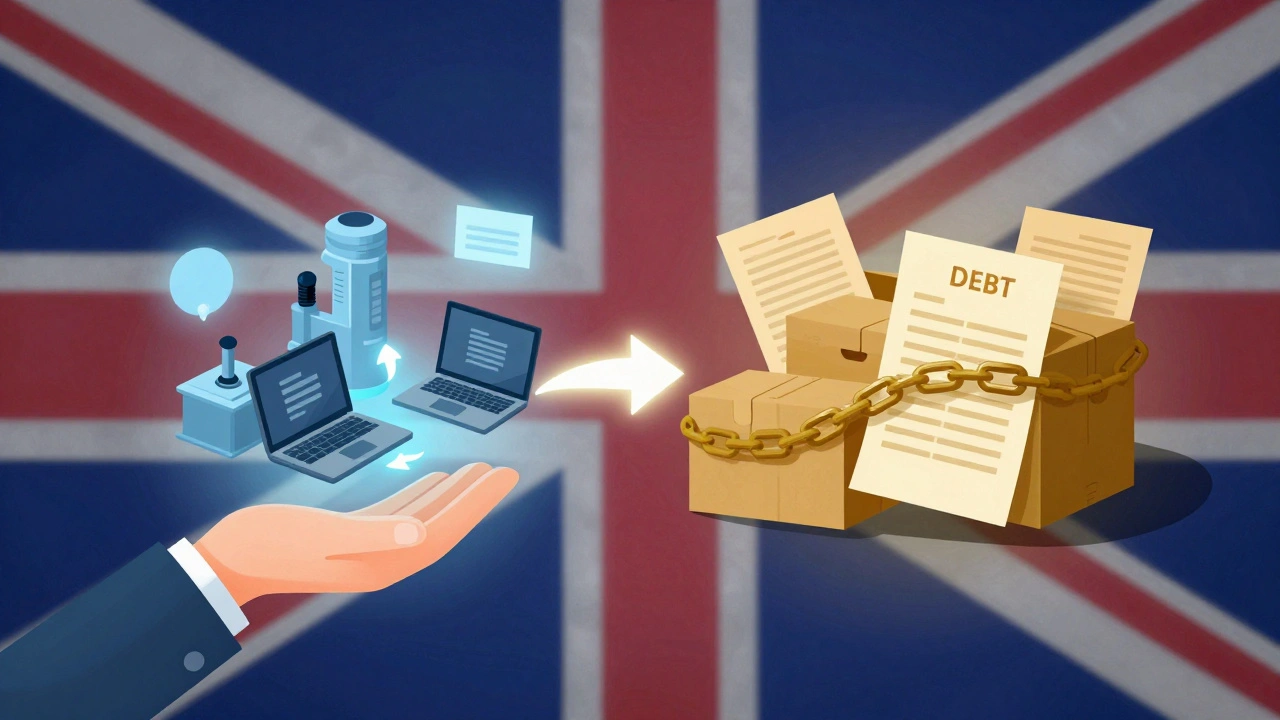
19 Dec, 2025When you buy or sell a business in the UK, you're not just trading a name or a logo-you're moving real value: equipment, customer lists, trademarks, software, even pending contracts. A purchase agreement is the only document that legally protects both sides in this process. Without it, you risk losing money, ownership rights, or even facing lawsuits after the deal is done.
What Exactly Is Included in a Business Asset Sale?
A business asset sale isn’t like selling a company stock. You’re picking out specific pieces of the business-things that have value but aren’t tied to the legal entity itself. Common assets include:
- Physical equipment: machinery, vehicles, office furniture
- Intellectual property: trademarks, patents, domain names, proprietary software
- Customer data and contracts: client lists, service agreements, recurring revenue contracts
- Inventory: raw materials, finished goods, supplies
- Licenses and permits: operating licenses, industry-specific certifications
- Goodwill: the intangible value of reputation, brand recognition, and customer loyalty
Some things are usually excluded: cash in the bank, debt obligations, and personal assets of the owner. These must be clearly listed in the agreement. If you don’t specify what’s included, the buyer might assume everything belongs to them-and you could end up in court trying to get back your company name or website.
Why the UK Has Specific Rules for Asset Purchases
The UK doesn’t treat asset sales the same as share sales. In a share sale, you buy the entire company-including its liabilities. In an asset sale, you pick what you want and leave the rest behind. This is why buyers often prefer asset deals: they avoid inheriting hidden debts, tax issues, or pending lawsuits.
But UK law still requires transparency. Under the Transfer of Undertakings (Protection of Employment) Regulations 2006 (TUPE), if employees are transferring with the business, their rights must be protected. That means you can’t just sell the equipment and fire the staff. The buyer must take on those employees unless they opt out in writing.
HMRC also requires clear documentation. If you’re selling trademarks or software, you need to record the transfer with the UK Intellectual Property Office. Failure to do so means the buyer doesn’t legally own those assets-even if they paid for them.
Key Clauses Every Purchase Agreement Must Include
A weak purchase agreement is worse than no agreement at all. Here are the non-negotiable sections:
- Asset Schedule: A numbered list of every asset being sold, with descriptions and serial numbers where applicable. Don’t say "all equipment." List each CNC machine, each laptop, each trademark registration number.
- Purchase Price and Payment Terms: How much, when, and how. Is it cash on closing? Installments? Earn-out based on future revenue? Spell it out.
- Representations and Warranties: The seller swears the assets are free of liens, the trademarks are valid, and no lawsuits are pending. If they lie, the buyer can sue.
- Indemnification: Who pays if something goes wrong after the sale? Usually, the seller covers breaches of warranty for 12-24 months.
- Non-Compete Clause: Prevents the seller from opening a similar business nearby and stealing customers. Must be reasonable in time (usually 1-3 years) and geography.
- Transition Support: Will the seller help train the buyer? Provide access to key clients? This is often overlooked but critical for smooth handover.
One real case from 2023 involved a London-based software company. The seller sold the codebase but didn’t transfer the domain name or the registered trademark. The buyer spent £80,000 on the deal, only to find out the seller still owned the website-and changed the login details. The buyer had to rebrand from scratch.
How to Avoid Common Mistakes
Most asset sale failures happen because of sloppy paperwork. Here’s what goes wrong-and how to fix it:
- Mistake: "We agreed verbally on the price." Fix: UK courts don’t enforce verbal agreements for asset sales over £500. Get it in writing.
- Mistake: "I assumed the customer contracts transferred." Fix: Most contracts require the other party’s consent to assign them. Send notices to clients before closing.
- Mistake: "I didn’t check for liens." Fix: Run a search at Companies House for charges against the assets. A creditor could still seize equipment even after sale.
- Mistake: "We didn’t involve a solicitor." Fix: A solicitor specializing in business transfers costs £1,500-£4,000. That’s cheaper than losing a £200,000 deal because a clause was missing.
Intellectual Property: The Most Overlooked Asset
Trademarks, copyrights, and patents are often the most valuable parts of a business-but the most commonly mishandled. In 2024, the UK Intellectual Property Office reported a 42% increase in disputes over unregistered IP transfers.
Here’s what you need to do:
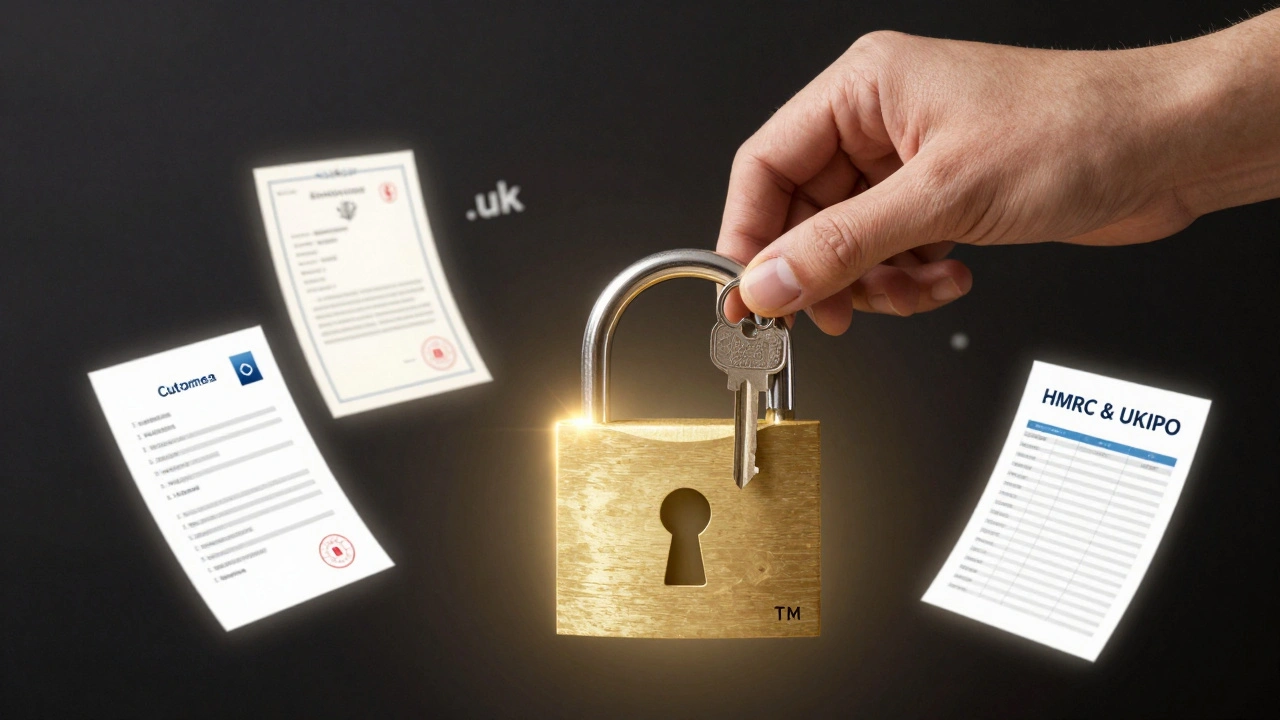
- Trademarks: File Form TM26 with the UKIPO to transfer ownership. Without this, the buyer has no legal standing to stop others from using the brand.
- Copyrights: Software, website content, marketing materials-all are protected by copyright. The agreement must state that copyright is assigned, not just licensed.
- Patents: If the business holds a patent, the assignment must be recorded with the UKIPO. Unrecorded assignments can’t be enforced against third parties.
- Domain Names: Transfer ownership through the registrar (e.g., Nominet for .uk domains). Don’t rely on email instructions.
One Manchester-based agency sold its client roster and branding but forgot to transfer the Google Business Profile. The buyer couldn’t update the listing for months. Customers kept calling the old owner. Revenue dropped 30% in the first quarter.
What Happens After Signing?
Signing the agreement isn’t the end-it’s the start of the real work.
- Notify HMRC: Report the sale and settle any VAT or corporation tax liabilities. The seller must file a final return.
- Update Registers: Companies House, UKIPO, domain registrars-all need official notices of change.
- Communicate with Clients: Send a letter explaining the transition. Reassure them service won’t change.
- Hand Over Access: Provide login details for accounting software, cloud storage, email, and social media. Keep a signed log of what was handed over.
Many sellers delay these steps because they think "the deal is done." But without proper handover, the buyer can claim breach of contract-and demand compensation or even rescind the sale.
When to Walk Away
Not every deal should close. Here are red flags:
- The seller refuses to provide financial records or asset lists.
- Key customers or employees won’t sign transition agreements.
- There are pending lawsuits or unresolved tax notices.
- The purchase price seems too low for the assets listed.
- The seller insists on a verbal handshake instead of a written contract.
If any of these happen, walk away. A bad deal today will cost you more in legal fees and lost time tomorrow.
Final Thoughts
Buying or selling business assets in the UK isn’t about speed-it’s about precision. Every asset, every clause, every signature matters. A well-drafted purchase agreement doesn’t just protect you legally-it gives you peace of mind. Whether you’re a small business owner selling your shop or an investor buying a niche SaaS tool, the right contract turns a risky transaction into a clean, successful transfer.
Don’t guess. Don’t assume. Get it in writing-and get it right.
Is a purchase agreement legally required in the UK for selling business assets?
Yes. While verbal agreements exist, UK law requires written contracts for the sale of business assets over £500. More importantly, without a written purchase agreement, you can’t prove what was sold, who owns what, or who is responsible for liabilities. Courts will not enforce unwritten terms.
Can I sell a business without transferring its intellectual property?
You can, but it’s risky. If you keep trademarks, patents, or domain names, the buyer may not be able to operate the business effectively. For example, selling a bakery but keeping the logo means the buyer can’t use the brand name on packaging or social media. Most buyers expect IP to be included-and will walk away if it’s not.
What’s the difference between selling assets and selling shares?
Selling assets means you pick what you want to transfer-equipment, IP, customers-and leave behind debts and liabilities. Selling shares means you transfer ownership of the entire company, including all its obligations. Buyers prefer asset sales to avoid hidden risks. Sellers often prefer share sales because of lower tax rates.
Do I need to inform HMRC when I sell business assets?
Yes. You must report the sale to HMRC and pay any applicable capital gains tax or corporation tax. If you’re VAT-registered, you may need to charge VAT on the sale of certain assets. Failure to report can lead to penalties. Your solicitor or accountant should handle this filing.
How long does it take to complete an asset purchase in the UK?
Typically 4-12 weeks. The timeline depends on how complex the asset list is, whether third-party consents are needed (like from landlords or clients), and how quickly both sides respond to legal requests. Simple sales with few assets can close in 4 weeks. Complex deals with multiple IP rights or employee transfers often take 8-12 weeks.
What happens if the seller hides assets or lies about liabilities?
If the seller makes false statements in the purchase agreement-called a breach of warranty-the buyer can sue for damages. This could mean getting money back, forcing the seller to fix the issue, or even canceling the sale. That’s why warranties and indemnity clauses are critical. Always have a solicitor review the seller’s claims.