 by
by Remote Culture Rituals in the UK: Async Practices That Build Belonging
16 Aug, 2026Imagine this: It’s 4:30 PM on a Tuesday in Manchester. Your colleague in London is already offline. The person in Glasgow just sent a detailed update to the project board. You’re in Bristol, and you haven’t spoken to anyone all day. Does that feel lonely? Or does it feel like freedom?
For many UK-based remote teams, the second option is becoming the norm. But here is the catch: silence doesn’t always mean connection. Without physical proximity, remote culture can erode faster than you think. If you rely solely on synchronous meetings to build rapport, you are fighting against the clock-and losing.
The solution isn’t more Zoom calls. It’s intentional, asynchronous rituals. These are structured moments of interaction that don’t require everyone to be online at the same time. They allow people to connect on their own terms, respecting time zones, family commitments, and deep work blocks. In this guide, we’ll look at how to design these practices so they actually stick, rather than becoming another checkbox on your manager’s list.
Why Synchronous Meetings Aren't Enough for Belonging
We have been trained to believe that face-to-face (or camera-to-camera) interaction is the gold standard for team bonding. But in a distributed environment, this approach has significant flaws. First, it forces a single pace. If your team spans different regions or if individuals have varying energy levels throughout the day, forcing everyone into a 9 AM call creates friction. Second, it prioritizes the loudest voices. In a video conference, introverts often struggle to compete with extroverts who dominate the audio channel.
Asynchronous communication flips this dynamic. It gives everyone equal weight. A written update from a quiet engineer carries the same visibility as a verbal pitch from a sales director. This parity is crucial for building psychological safety. When people know they can contribute without performing in real-time, they engage more deeply. According to recent data from the Office for National Statistics, over 50% of UK workers now spend at least some days working remotely each week. For these employees, the office is no longer a place; it’s a state of mind that must be cultivated digitally.
The Core Components of Effective Async Rituals
Not every message is a ritual. A ritual implies repetition, intent, and shared meaning. To build a robust remote culture, you need three core components:
- Consistency: The practice happens regularly. Weekly, daily, or monthly. Predictability reduces anxiety and builds habit.
- Low Friction: Participation should take less than 10 minutes. If it feels like work, people will skip it.
- Humanity: It goes beyond tasks. It touches on personality, values, or life outside of work.
Let’s break down specific examples that work well in the UK context. Remember, the UK workplace culture tends to value politeness and understatement. Your rituals should reflect that-warm but not overwhelming, professional but personal.
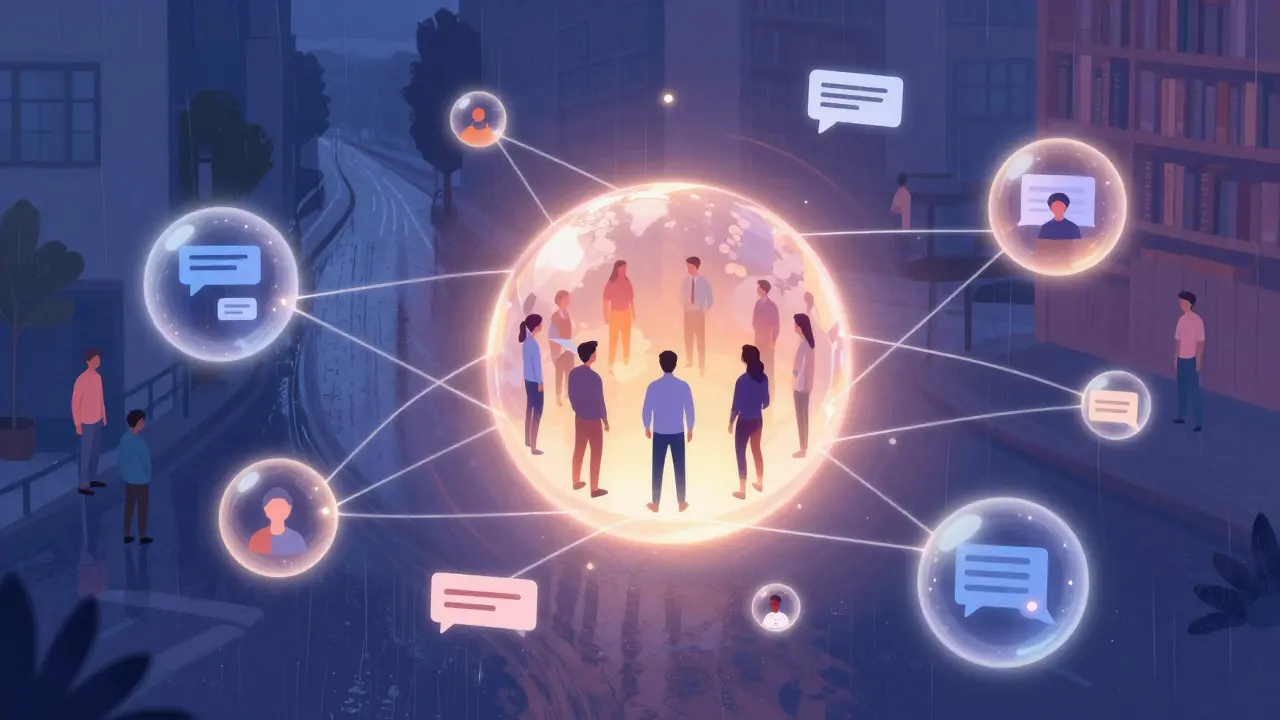
Five Proven Async Rituals for UK Teams
Here are five practical frameworks you can implement starting next Monday. Each one addresses a different aspect of belonging.
1. The 'Win of the Week' Thread
This is a simple, recurring post in your team chat (Slack, Teams, etc.) where members share one small victory. It could be solving a bug, closing a deal, or finally finishing a difficult report. The key rule: no self-promotion allowed. Keep it humble. Why it works: It creates a positive feedback loop. Reading others’ wins reminds you that progress is happening everywhere, even when you can’t see it. It combats the isolation of remote work by showing that you are part of a collective effort.
2. Asynchronous Video Updates
Instead of writing a long email for status updates, record a 2-minute Loom or Vimeo video. You can show your screen, point out issues, and explain your reasoning while looking at the camera. The recipient can watch it whenever they have time, pause it, and rewatch complex parts. Why it works: It conveys tone and emotion better than text. A smile or a sigh communicates context that words often miss. It also saves meeting time because the viewer doesn’t need to ask basic clarifying questions.
3. The 'No-Meeting' Friday Afternoon
Declare the last two hours of Friday afternoon as 'Deep Work' time. No meetings, no Slack notifications, no emails. Everyone focuses on high-value tasks. At the end of the day, people drop a one-line summary of what they accomplished into a shared document. Why it works: It respects individual flow states. By protecting focus time, you signal that output matters more than presence. It also creates a natural end-of-week boundary, helping prevent burnout.
4. Virtual Coffee Chats (Async Version)
Traditional coffee chats require scheduling, which is hard. Instead, create a 'Coffee Corner' channel. Every Monday, post a prompt: "What’s one thing you’re looking forward to this week?" or "Share a photo of your workspace." People reply throughout the morning. No pressure to respond immediately. Why it works: It mimics the watercooler talk of an office. It’s low-stakes and allows for casual connection without the intensity of a scheduled call. It’s particularly effective for new hires who might feel hesitant to initiate contact.
5. Quarterly 'Values Check-In'
Once a quarter, send a short survey asking team members to rate how well the team is living its core values (e.g., transparency, innovation, care). Include open-ended questions: "When did you feel most supported this quarter?" Analyze the results together in a dedicated doc. Share insights asynchronously. Why it works: It keeps culture top-of-mind. It moves culture from a vague concept to measurable behavior. It shows leadership cares about the human side of the business.
| Feature | Synchronous (Meetings/Calls) | Asynchronous (Docs/Video/Chat) |
|---|---|---|
| Time Commitment | High (requires simultaneous availability) | Low (can be done on your own schedule) |
| Inclusivity | Favors extroverts and fast thinkers | Favors introverts and reflective thinkers |
| Documentation | Poor (unless recorded/transcribed) | Excellent (permanent record) |
| Emotional Tone | Rich (voice, facial expressions) | Moderate (text, emojis, video clips) |
| Best For | Crisis management, brainstorming, relationship building | Status updates, detailed explanations, routine check-ins |
Overcoming Common Pitfalls in Implementation
Even the best rituals fail if implemented poorly. Here are the most common traps and how to avoid them.
Pitfall 1: Over-Communication. If you add five new rituals, people will drown. Start with one. Master it. Then add another. Quality over quantity.
Pitfall 2: Lack of Leadership Modeling. If managers don’t participate, staff won’t either. Leaders must post their 'Win of the Week.' They must record their video updates. They must respect the 'No-Meeting' Friday. Culture flows down.
Pitfall 3: Ignoring Time Zones. Even within the UK, there are differences. More importantly, if you have contractors in Europe or the US, consider overlap windows. Schedule async deadlines to align with overlapping hours where possible, or rotate responsibilities so no one is always waiting.
Pitfall 4: Treating It as Surveillance. Don’t use async tools to track who is online or how fast they reply. Trust the process. If you start policing response times, you kill the psychological safety that makes these rituals work.

Measuring Success: How Do You Know It's Working?
You can’t manage what you don’t measure, but you also shouldn’t over-measure. For remote culture rituals, look for qualitative signals first:
- Participation Rates: Are people consistently engaging with the 'Win of the Week' thread? If participation drops below 60%, investigate why.
- Quality of Feedback: In quarterly check-ins, do people cite specific examples of support? Vague praise is a red flag.
- Retention and Attrition: While hard to isolate, teams with strong async cultures typically see lower voluntary turnover. Monitor exit interviews for mentions of 'feeling disconnected.'
- Meeting Load: Track the number of recurring meetings. If async rituals are working, you should see a decrease in unnecessary sync calls.
Remember, the goal isn’t perfect metrics. It’s a team that feels connected, respected, and empowered. If your people are happy and productive, the numbers will follow.
Building a Sustainable Remote Culture in 2026
The landscape of work in the UK continues to evolve. Hybrid models are dominant, but fully remote teams are growing. The challenge remains the same: how do you create a sense of 'we' when 'we' are scattered across miles?
Async rituals are not a substitute for occasional face-to-face gatherings. They are the glue that holds the team together between those events. They turn isolated individuals into a cohesive unit. They ensure that belonging isn’t reserved for those who are physically present, but is accessible to everyone, everywhere.
Start small. Pick one ritual from the list above. Try it for four weeks. See what happens. Adjust based on feedback. Invite your team into the process. Ask them what they need to feel connected. Listen. And then, keep showing up-digitally, consistently, and authentically.
Your remote culture isn’t built in a day. It’s built in a thousand small, asynchronous moments. Make them count.
What is the difference between remote work and hybrid work in terms of culture?
In hybrid work, culture is often anchored by the physical office, with remote days being extensions of that space. In fully remote work, culture is entirely digital. This means remote teams must be more deliberate about creating connection points, as there is no 'default' social environment. Async rituals become even more critical in fully remote setups to maintain cohesion.
How often should async rituals happen?
Frequency depends on the type of ritual. Daily or weekly rituals (like 'Win of the Week') should be consistent to build habit. Monthly or quarterly rituals (like values check-ins) provide deeper reflection. The key is consistency, not frequency. Choose a cadence that fits your team’s workflow and stick to it.
Are async rituals suitable for large teams?
Yes, but with modifications. For large teams, break them into smaller pods or sub-groups for certain rituals. For example, 'Coffee Chats' work better in groups of 5-10 people. Company-wide rituals like 'Win of the Week' can still function, but may need moderation to prevent information overload. Use channels or tags to organize content.
What tools are best for implementing async rituals?
You don’t need expensive software. Slack or Microsoft Teams are sufficient for text-based rituals. Loom or Vimeo are great for video updates. Notion or Confluence work well for documentation and check-ins. The tool matters less than the habit. Choose platforms your team already uses to minimize friction.
How do I handle employees who resist async communication?
Resistance usually stems from fear or habit. Some employees prefer immediate answers. Explain the benefits: reduced interruptions, better focus, and flexibility. Start with optional participation. Show success stories from early adopters. Gradually make async expectations clear in job descriptions and performance reviews. Patience is key.