 by
by Renewable Energy Options for UK Businesses: Sustainable Power Guide 2026
6 Feb, 2026By 2026, UK businesses face mounting pressure to reduce carbon emissions and cut energy costs. Switching to renewable energy isn't just good for the planet-it's a smart financial move. With solar, wind, and biomass options more affordable than ever, companies can power operations sustainably while boosting their bottom line. Let's explore practical solutions for UK businesses ready to make the switch.
Solar Power: The Top Choice for UK Businesses
As of 2025, UK businesses have installed over 16 gigawatts of solar capacity. For companies with large rooftops or land, solar panels offer one of the easiest paths to clean energy. A typical commercial solar installation costs between £15,000 and £50,000, with payback periods of just 4-6 years. Many businesses pair solar with battery storage to use excess energy during cloudy days or at night.
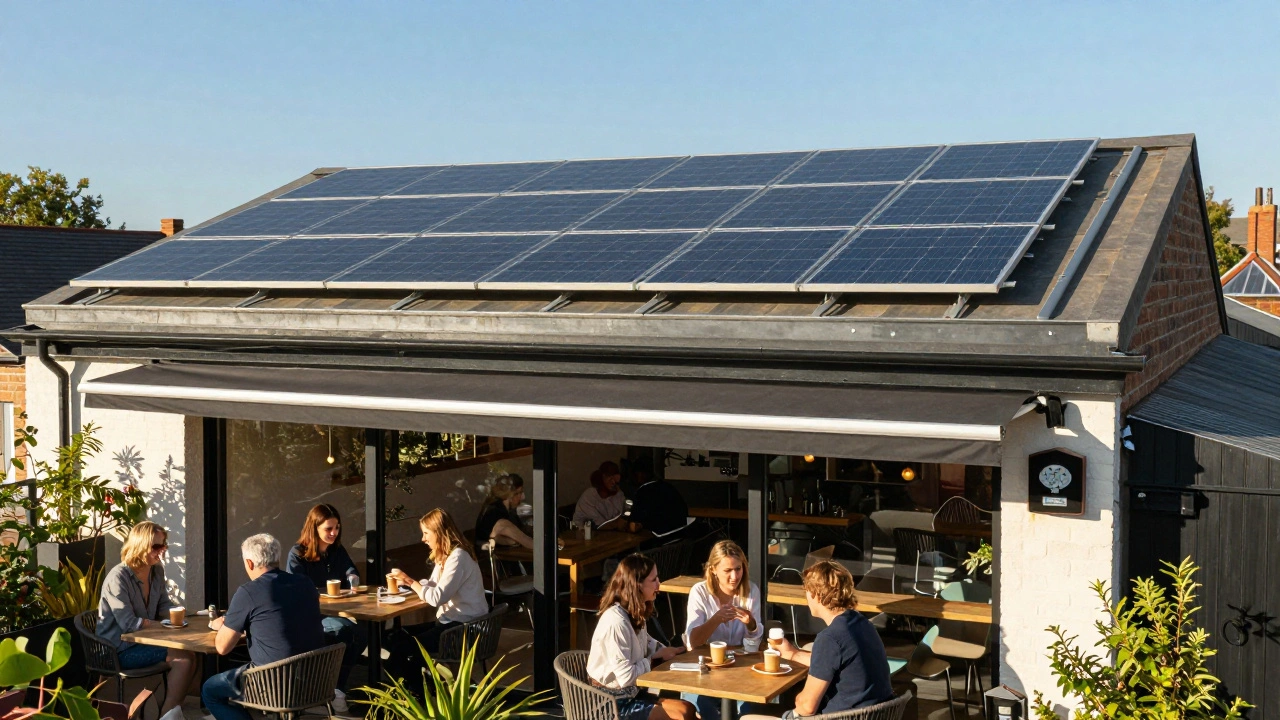
solar power a technology that converts sunlight into electricity using photovoltaic panels is especially attractive due to the Smart Export Guarantee (SEG). This scheme pays businesses for surplus electricity fed back into the grid. For example, a café in Bristol installed solar panels on its roof and now covers 70% of its energy needs while earning £2,000 annually from SEG payments.
Wind Energy: Onshore and Offshore Opportunities
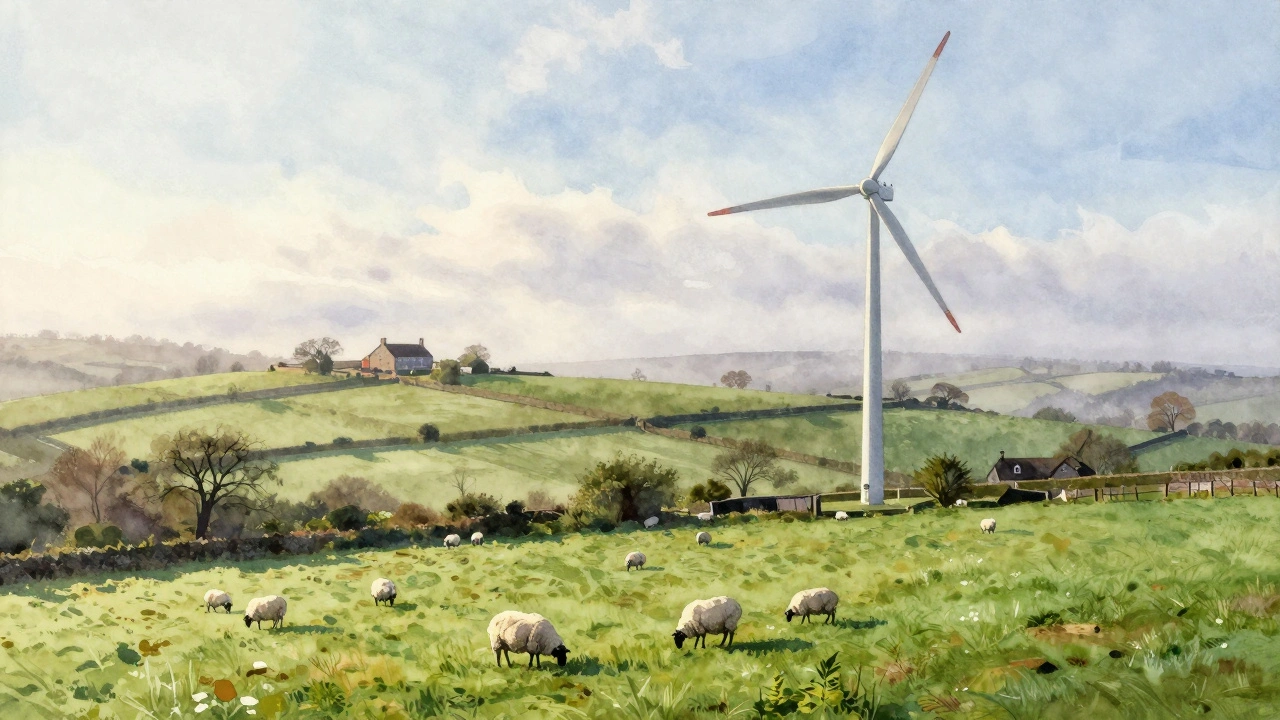
Onshore wind remains the cheapest renewable source in the UK, with costs dropping 50% since 2010. A single 5MW wind turbine can power about 3,000 homes, but smaller turbines (100-500kW) suit businesses in rural areas. For instance, a farm in Devon uses a 200kW turbine to power its operations and sell excess energy. However, wind projects require careful planning-local councils often have strict rules on turbine height and noise.
wind energy generates electricity using turbines that capture wind force is ideal for businesses with space and consistent wind patterns. The UK government's Contracts for Difference (CfD) scheme supports larger wind projects, offering long-term price stability.
Biomass: Turning Waste into Power
Biomass systems burn organic materials like wood pellets or agricultural waste to generate heat and electricity. While the Renewable Heat Incentive (RHI) scheme closed in 2021, new initiatives like the Clean Heat Grant still provide support. A bakery in Manchester replaced its gas boiler with a biomass system, cutting heating costs by 40% and reducing carbon emissions by 12 tons yearly.
biomass uses organic matter to produce renewable heat or power works best for industries with consistent waste streams. It's particularly valuable for manufacturing or food processing businesses that can use waste heat for production processes.
Government Incentives for Business Renewable Energy
The UK government offers several schemes to help businesses adopt renewables. The Smart Export Guarantee (SEG) pays for excess solar power fed back to the grid. For larger projects, Contracts for Difference (CfD) provide price stability for wind and solar farms. Additionally, the Business Energy Efficiency Programme (BEEP) offers grants covering up to 30% of costs for energy-saving upgrades.
Smart Export Guarantee a scheme paying businesses for renewable electricity exported to the grid is simple to access. Businesses just need a meter that records export data and a certified installer. For example, a logistics company in Leeds earns £3,500 annually from SEG payments after installing solar panels.
Real-World Success Stories
Tesco has installed solar panels on over 500 UK stores, generating 10% of their total energy needs. Unilever's UK factories run entirely on renewable electricity through Power Purchase Agreements (PPAs), cutting emissions by 200,000 tons yearly. Even small businesses thrive: a Yorkshire pub installed a micro-wind turbine and now covers 90% of its energy costs.
Power Purchase Agreements long-term contracts where businesses buy renewable energy directly from generators are popular for larger companies. They lock in fixed rates for 10-15 years, protecting against energy price volatility. A tech startup in Cambridge signed a PPA for 100% wind power, reducing electricity costs by 15%.
How to Choose the Right Renewable Energy Solution
Start by analyzing your energy usage. Check your electricity bills for peak demand times and total consumption. Businesses with high daytime energy use (like retail stores) benefit most from solar. Those in rural areas with consistent wind may prefer turbines. Always get a professional energy audit first.
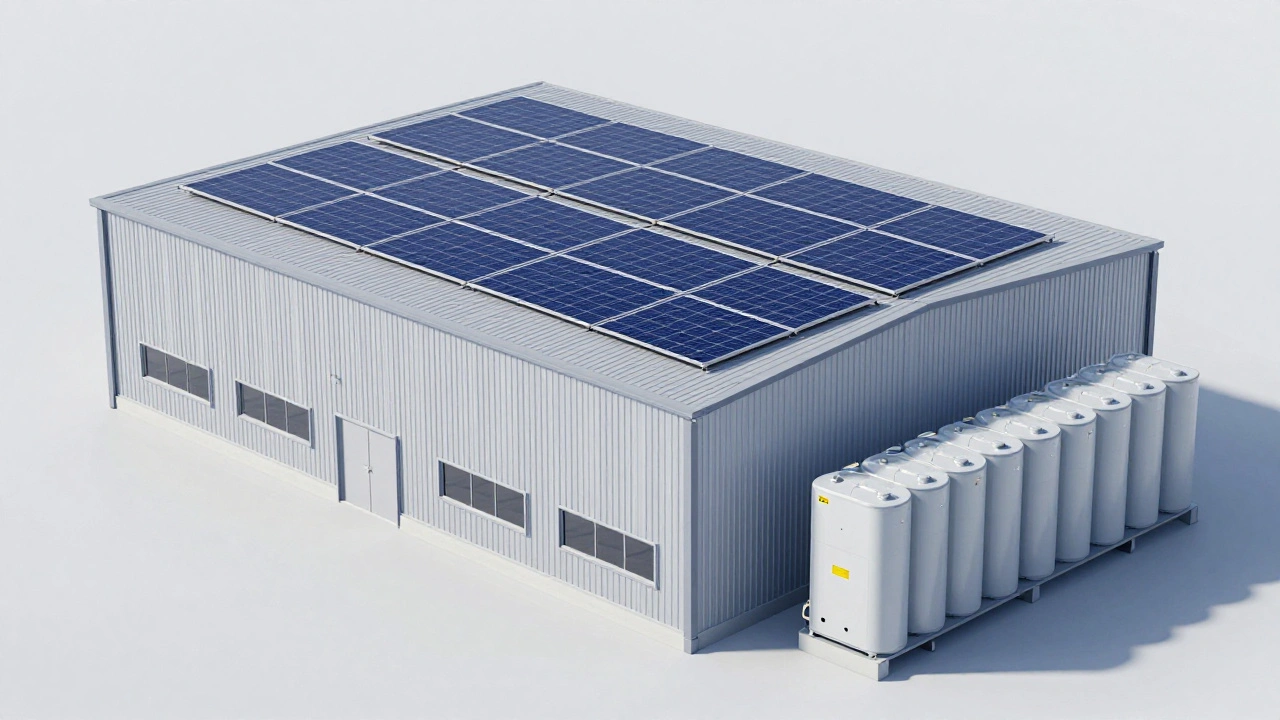
Consider combining sources. A hotel in Scotland uses solar panels for daytime power and a biomass boiler for heating. This hybrid approach cuts costs further and ensures reliability. Battery storage is another key component-store solar energy for nighttime use or power outages. A warehouse in Birmingham added a 50kWh battery system, avoiding £12,000 in peak-time grid charges last year.
Common Mistakes to Avoid
Many businesses oversize solar installations without checking their actual usage. A printing company in Manchester installed a 50kW system but only needed 30kW, wasting £10,000. Always match system size to your consumption patterns.
Another pitfall is ignoring local planning rules. Some UK towns restrict turbine height or solar panel placement on historic buildings. Always consult your local council before installation. Also, skip cheap, uncertified installers-reputable companies like Solarcentury or EDF Renewables offer warranties and performance guarantees.
What's the best renewable energy source for a small UK business?
Solar power is usually the top choice for small businesses. It requires minimal space, has low maintenance costs, and benefits from the Smart Export Guarantee. A typical installation on a warehouse roof can cover 60-80% of energy needs. Businesses in urban areas often prefer solar over wind due to space constraints and planning restrictions.
How much does it cost to install solar panels for a business?
Commercial solar installations typically cost £15,000-£50,000, depending on size. A 10kW system (enough for a small shop) costs around £18,000, while a 50kW system for a factory might reach £45,000. Grants like the Business Energy Efficiency Programme (BEEP) can cover up to 30% of costs for energy-saving upgrades.
Can I get government grants for renewable energy?
Yes. The Business Energy Efficiency Programme (BEEP) offers grants for energy-saving measures like insulation and efficient heating. The Clean Heat Grant supports biomass and heat pump installations. However, the Renewable Heat Incentive (RHI) closed to new applicants in 2021. Always check GOV.UK for current schemes.
What's the payback period for business solar installations?
Typically 4-6 years for solar, depending on location and usage. A London retail store with high daytime energy use saw payback in 3.5 years due to SEG payments and reduced grid reliance. Wind energy payback is usually 5-8 years, while biomass takes 6-10 years. Battery storage can shorten payback by avoiding peak-time grid charges.
How do Power Purchase Agreements (PPAs) work for businesses?
PPAs let businesses buy renewable energy directly from generators at fixed rates. A tech company in Cambridge signed a 12-year PPA for 100% wind power, locking in electricity costs 15% below market rates. PPAs avoid upfront installation costs but require long-term contracts. They're ideal for companies with stable energy needs and a commitment to sustainability.