 by
by Reserving a Company Name in the UK: How to Protect Your Brand Before Launch
16 Aug, 2026Imagine you’ve spent months perfecting your logo, drafting your pitch deck, and lining up your first few clients. Then, right before you launch, you find out someone else registered that exact same name three days ago. It’s a nightmare scenario, but it happens more often than you’d think. In the UK, securing your identity isn’t just about picking a catchy phrase; it’s a legal race against time.
The good news? You don’t have to wait until you’re ready to file full incorporation documents to lock down your name. The Companies House is the UK's official register of companies, offering services to reserve a company name for up to two years. This service acts as a safety net, allowing you to hold a specific name while you finalize your business structure, secure funding, or simply get your ducks in a row. But how does it actually work, and what are the costs involved?
Key Takeaways
- You can reserve a company name via Companies House without immediately incorporating.
- The reservation lasts for exactly two years from the date of application.
- The fee is fixed at £10 for online applications, making it an affordable insurance policy.
- This process applies to limited companies (Ltd) and LLPs, not standard sole traders.
- It prevents others from registering a confusingly similar name during your preparation period.
Why Reserve a Name Instead of Just Registering?
Most entrepreneurs assume that if they haven't incorporated, their name is free for anyone to grab. While technically true for general use, there’s a middle ground. If you know you’ll be forming a Limited Company (Ltd is a corporate legal structure that provides limited liability protection to its owners.) or a Limited Liability Partnership (LLP), but you aren’t ready to submit the full set of statutory documents yet, a name reservation is your best friend.
Think of it like holding a domain name. You might not build the website today, but you want to ensure no one else buys "yourbrand.com" while you’re designing the homepage. Similarly, reserving a company name stops competitors or squatters from registering "YourBrand Ltd" before you do. It gives you breathing room. Maybe you need six months to sort out your intellectual property filings, or perhaps you’re waiting for a co-founder to sign off on the final name. During this window, the name is effectively yours, locked away from the public register.
Who Can Use This Service?
Not every type of business can reserve a name. This facility is specifically designed for entities that will eventually appear on the public register under the jurisdiction of Companies House is the executive agency of the Department for Business, Energy & Industrial Strategy responsible for maintaining the UK register of companies..
- Limited Companies: Both private (Ltd) and public (plc) limited companies can reserve names.
- Limited Liability Partnerships (LLPs): These partnerships also benefit from name reservation rights.
- Sole Traders: Generally, sole traders cannot reserve a name through this specific mechanism because they are not separate legal entities registered with Companies House in the same way. However, they can protect their brand by registering a trading name or securing trademarks.
If you are planning to operate as a sole trader indefinitely, this specific route won’t apply to you. But if you’re leaning towards limited liability for tax efficiency or credibility reasons, this is the tool for you.

The Step-by-Step Process
Reserving a name is surprisingly straightforward. You don’t need a lawyer or an accountant to do it, though many people use them for peace of mind. Here is how you go about it:
- Check Availability: Before applying, search the existing register. Go to the Companies House website and use the advanced search function. Look for exact matches and, crucially, check for names that are very similar. A name like "Tech Solutions Ltd" might clash with "Tech Solutions Group Ltd" if they operate in the same industry.
- Prepare Your Details: You’ll need the proposed name, the type of company (Ltd or LLP), and contact details for the applicant. You don’t need director details yet, which is why this is useful for pre-launch stages.
- Submit Online Application: Log in to the Companies House web service. Navigate to the "Reserve a name" section. Fill in the form. The system will run an automated check against the current register.
- Pay the Fee: The cost is currently £10 for online submissions. Payment methods include credit/debit cards and direct debit. There is no discount for bulk reservations.
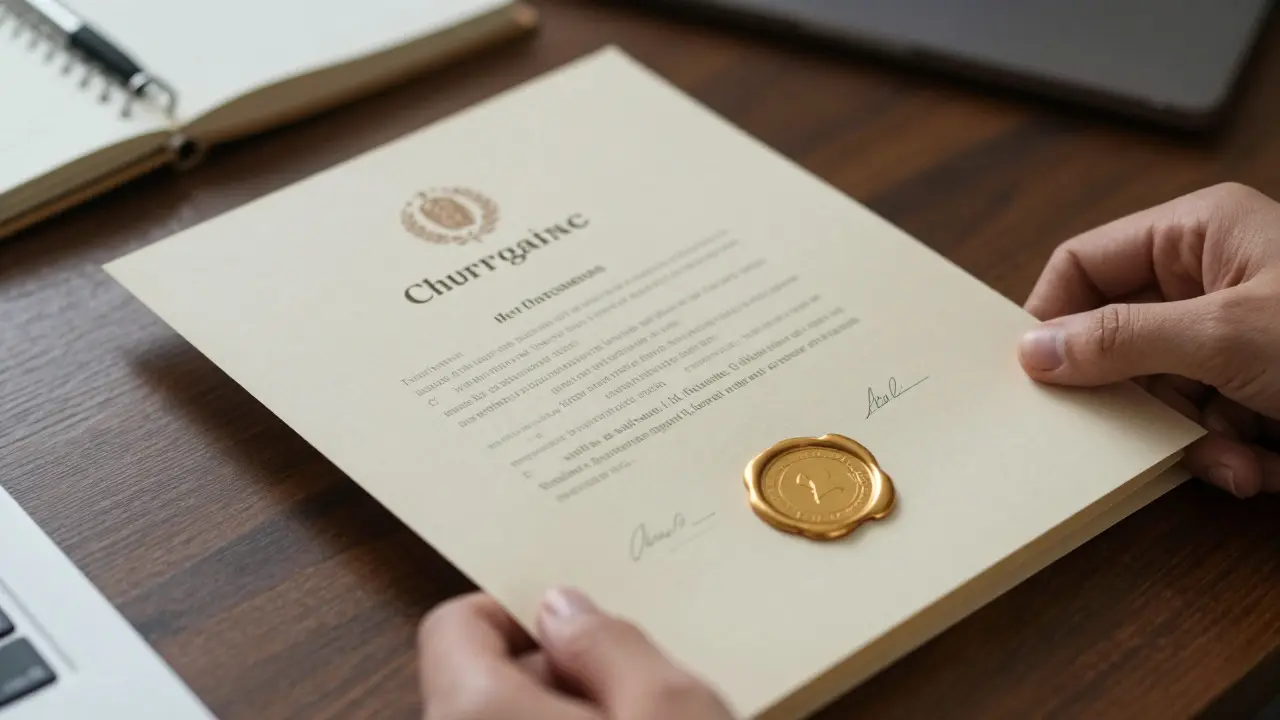
- Confirmation: If approved, you’ll receive a certificate of name reservation. This document serves as proof that you have the right to use that name for the next two years.
One critical detail: the name must comply with naming rules. It cannot be offensive, misleading, or identical to an existing registered name unless you have permission. Avoid words like "Group," "Holdings," or "International" unless you truly meet the criteria for those descriptors, as these can trigger extra scrutiny.
Costs and Timeline: What to Expect
Let’s talk numbers. The financial barrier to entry is low. At just £10, it’s cheaper than most cups of coffee. Compare that to the cost of rebranding later-new signage, updated contracts, potential legal fees to challenge a squatter-and the investment pays for itself quickly.
| Method | Cost | Duration | Applicability | Legal Weight |
|---|---|---|---|---|
| Name Reservation (Companies House) | £10 | 2 Years | Ltd / LLP only | Prevents registration of same/similar name |
| Full Incorporation | £50 (Online) | Indefinite (until dissolved) | Ltd / LLP | Creates legal entity + protects name |
| Trademark Registration (IPO) | ~£170+ per class | 10 Years (renewable) | All business types | Protects brand/logo across sectors |
| Domain Name Purchase | £10-£20/year | 1 Year (renewable) | All business types | Digital presence only |
Notice the distinction between name reservation and trademark registration. They serve different purposes. Reserving a company name stops someone else from registering *that specific company name* with Companies House. It does not stop them from using your name in marketing materials, nor does it stop them from registering a trademark for your name. For comprehensive brand protection, you often need both.

Common Pitfalls to Avoid
Even with a simple process, mistakes happen. Here are the traps that catch new founders off guard:
- Ignoring Similar Names: The system checks for exact matches, but human judgment is needed for "confusingly similar" names. If you reserve "Apple Pie Ltd" and someone already has "Apple Pies Ltd" in the bakery sector, you might face objections later. Do your due diligence manually.
- Forgetting the Two-Year Limit: The reservation expires automatically after 24 months. If you haven’t incorporated by then, the name drops back into the pool. Set a calendar reminder for month 18 so you have time to decide whether to incorporate or renew (though renewal isn't always possible without incorporating).
- Assuming It Covers All Sectors: A name reserved for a tech company doesn’t necessarily block a restaurant from using a similar name, although the likelihood of conflict decreases. The register is national, not sector-specific, but context matters in disputes.
- Overlooking Trademarks: As mentioned, Companies House protection is narrow. If your brand value lies in your logo or slogan, look into registering a trademark with the Intellectual Property Office (IPO). This is a separate, more expensive, but broader form of protection.
When Should You Actually Do It?
Timing is everything. Ideally, you should reserve the name as soon as you have settled on a final choice and confirmed it’s available. Don’t wait until you’re ready to open bank accounts. By then, you’ve likely already started telling clients, suppliers, and partners about your business. If a competitor snatches the name during that gap, the confusion can damage your early momentum.
However, don’t rush it either. Make sure the name is legally safe. Check for any pending trademarks that might conflict. If you’re still brainstorming, keep checking availability weekly. Once you commit, hit the button. The £10 fee is trivial compared to the headache of changing your entire identity six months post-launch.
Frequently Asked Questions
Can I change my name after reserving it?
Yes, but you’ll need to pay another £10 fee and go through the application process again. The old reservation remains valid for its remaining term unless you explicitly cancel it, but you can hold multiple reservations if you wish, though it’s usually better to stick to one primary candidate.
Does reserving a name guarantee I can incorporate under it later?
In almost all cases, yes. The reservation holds the name for you for two years. When you apply for incorporation within that window, the name will be accepted provided no other major changes have occurred in the law or register. It’s a strong guarantee, though not absolute in rare edge cases involving government intervention.
What happens if I don’t incorporate within two years?
The reservation lapses. The name becomes available for anyone to register again. You lose your exclusive right to that name on the Companies House register. If you still want it, you’ll have to start the process over from scratch, paying the fee again and hoping no one else grabbed it in the meantime.
Is a name reservation the same as a trademark?
No. A name reservation only prevents other companies from registering the same or very similar name with Companies House. A trademark, registered with the IPO, gives you broader rights to use the name/logo in commerce and stop others from using it in a way that causes confusion, even if they aren’t a registered company with the same name.
Can I reserve a name for a Sole Trader business?
Generally, no. Sole traders are not registered entities with Companies House in the same way limited companies are. To protect a sole trader name, you typically rely on passing off laws (unfair competition) or register a trademark. If you plan to switch to a Ltd company later, you can reserve the name then.