 by
by Reverse Logistics in the UK: Handling Returns and Refurbishment Efficiently
7 Dec, 2025Every year, UK retailers deal with over 1.5 billion returned items. That’s more than 20 returns for every person in the country. And it’s not just about sending stuff back-it’s about what happens after. Where does that returned item go? Who pays for it? Can it be sold again? If you’re running an e-commerce business, a warehouse, or even a high-street store in the UK, reverse logistics isn’t a side project. It’s a core part of your bottom line.
What Reverse Logistics Actually Means in the UK
Reverse logistics is the process of moving goods from the customer back to the seller-or beyond. It includes returns, repairs, recycling, and refurbishment. In the UK, this isn’t just about customer service. It’s a complex system that ties together warehouses, couriers, repair centers, and environmental regulations.
Unlike forward logistics (getting products to customers), reverse logistics has no fixed path. A returned hoodie might end up back on the shelf, sent to a repair shop, broken down for parts, or shredded for recycling. The route depends on its condition, value, and the retailer’s policy. And in the UK, you can’t ignore the law. The Waste Electrical and Electronic Equipment (WEEE) directive forces companies to take responsibility for how electronics are disposed of. Same goes for textiles under the Extended Producer Responsibility (EPR) rules coming into full effect in 2026.
Why Most UK Businesses Get Reverse Logistics Wrong
Too many companies treat returns as a cost center-something to minimize. But that mindset loses money. A study by the Retail Industry Leaders Association found that UK retailers lose an average of £25 per return when they don’t have a clear refurbishment or resale strategy. That’s not just the cost of shipping. It’s the labor, storage, and markdowns.
Here’s what goes wrong:
- Returning items to the original warehouse without sorting them first
- Letting returned goods sit for weeks because no one’s assigned ownership
- Throwing away perfectly good items because it’s cheaper than fixing them
- Not tracking return reasons, so the same defect keeps happening
One major UK fashion brand lost £12 million in 2024 because they didn’t separate returns by condition. Half of what they sent to landfill could’ve been resold as ‘like new’ on secondary marketplaces like Vinted or eBay. Another electronics retailer kept returning faulty chargers to suppliers instead of fixing them locally-costing them £40 per unit in shipping and delays.
The UK’s Return Culture: More Than Just Free Shipping
Free returns are now expected. 78% of UK shoppers say they’ll abandon a purchase if returns aren’t free and easy, according to a 2025 YouGov survey. But free doesn’t mean unmanaged. The best retailers turn returns into insights.
Look at ASOS. They don’t just accept returns-they analyze them. Every returned item gets tagged: size too small, color mismatch, not as pictured. That data feeds back into product design, photography, and even warehouse packing. They reduced size-related returns by 22% in 18 months just by changing how they displayed measurements online.
Amazon’s return centers in Coventry and Doncaster process over 30,000 items a day. But here’s the key: they sort returns into four buckets within 24 hours:
- Resell as new
- Refurbish and resell
- Donate or recycle
- Scrap
Only 12% of their returns end up as waste. That’s because they built automation into the process-scanners that check for damage, AI that predicts resale value, and partnerships with certified refurbishers.

How to Build a Refurbishment System That Actually Works
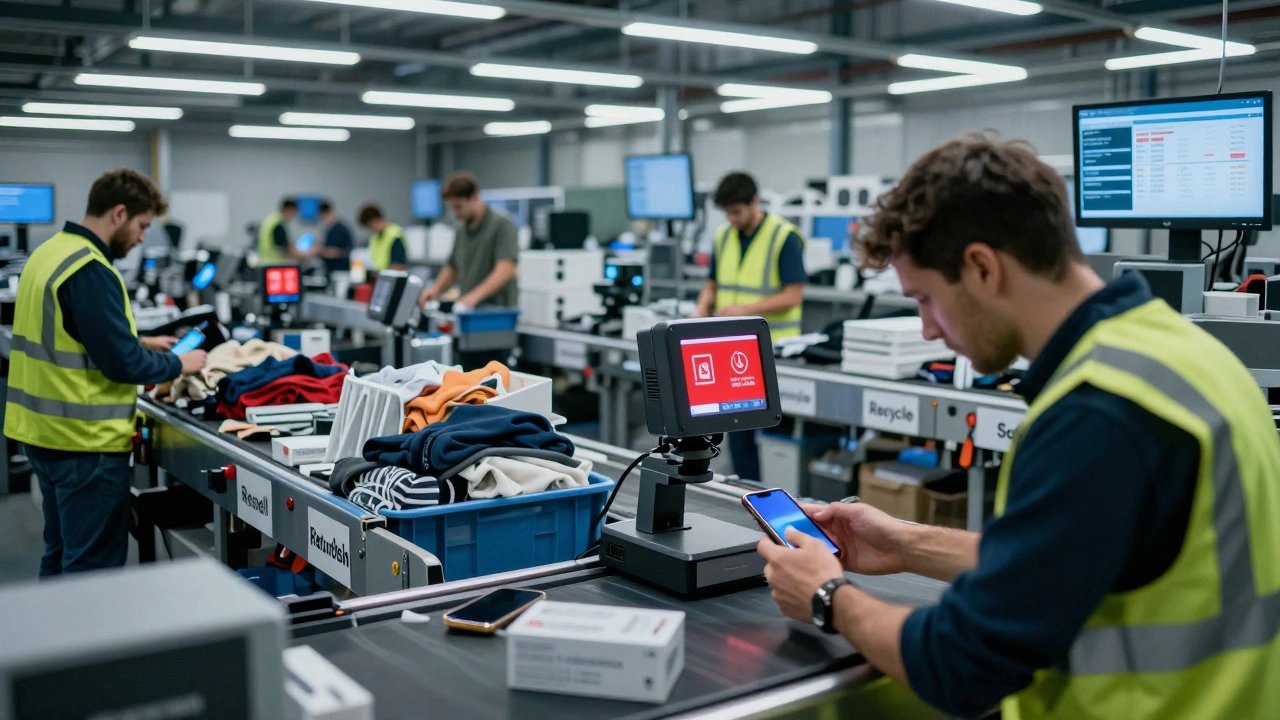
Refurbishment isn’t just cleaning up a phone. It’s a process with clear stages:
- Receive and log - Scan every item on arrival. Assign a unique ID.
- Inspect and grade - Use a simple scale: New, Like New, Good, Fair, Scrap. Take photos. Note scratches, battery health, missing parts.
- Repair or restore - Fix what’s broken. Replace batteries, screens, chargers. Use genuine or certified parts.
- Test and certify - Run diagnostics. Ensure it meets safety standards.
- Repackage and relist - Sell as ‘Refurbished’ with a 12-month warranty. Price it 30-50% below new.
Companies like Back Market and Music Magpie have turned this into a business model. Back Market, which operates in the UK, sells over 10 million refurbished devices a year. Their secret? Transparency. Every listing shows the exact condition, repair history, and warranty terms. Customers trust it-and pay more than they would for a used item on eBay.
Technology That Makes Reverse Logistics Less Painful
You don’t need a Fortune 500 budget to do this right. Here’s what works for mid-sized UK businesses:
- Return management software - Tools like Returnly or Loop allow customers to self-service returns, choose a reason, and get instant labels. This cuts customer service calls by up to 60%.
- Barcode and RFID tracking - Every returned item should be scannable from door to shelf. No more lost boxes.
- AI-powered grading - Startups like ReDeal use smartphone photos to auto-grade condition. Upload a picture of a returned tablet? The system tells you if it’s ‘Good’ or ‘Scrap’ in seconds.
- Integrated warehouse systems - If your ERP or WMS can’t handle reverse flows, you’re flying blind. Look for platforms like Blue Yonder or Manhattan Associates that include return workflows.
One Midlands-based home goods retailer added a simple QR code to their packaging. Customers scan it to start a return, answer three questions, and print a label. The system auto-sorts the return into a bin labeled ‘Refurbish’ or ‘Recycle’ before it even arrives. Their refurbishment rate jumped from 28% to 57% in six months.
Where to Send What: Partnerships That Save Money
You can’t fix everything in-house. That’s why partnerships matter.
For electronics, work with certified refurbishers like TechBuyBack or Envirofone. They handle data wiping, testing, and compliance. For clothing, partner with organizations like Oxfam or The Salvation Army for donations. For damaged goods, use recycling specialists like TerraCycle or Recycle More-they’ll take anything from broken toasters to old mattresses.
Don’t just pick the cheapest option. Check their certifications. In the UK, look for WEEE compliance, ISO 14001 (environmental management), and B Corp status if sustainability matters to your brand. A 2025 report from the Environmental Services Association found that 63% of UK consumers will pay more for brands that partner with certified recyclers.
Measuring Success: Beyond Return Rates
Stop tracking just how many things come back. Track what happens after.
Use these KPIs:
- Refurbishment rate - % of returns that are repaired and resold
- Resale value recovery - How much money you get back compared to original cost
- Time-to-relist - How fast a returned item goes back on sale
- Waste diversion rate - % kept out of landfill
- Return reason frequency - What’s causing the most returns? Fix the root cause.
One UK furniture retailer tracked return reasons and found 40% of sofas came back because the legs were loose. They switched suppliers and redesigned the attachment mechanism. Returns dropped by 35% in the next quarter-and they didn’t even have to run a promotion.
What’s Next for Reverse Logistics in the UK
The UK government is pushing hard for circular economy rules. Starting in 2026, all large retailers must report on their return and recycling rates. There’s talk of a ‘return tax’ on items that aren’t recyclable or refurbishable.
Meanwhile, consumers are demanding transparency. Apps like Good On You and HowGood now rate brands on their return and recycling practices. Your customers can see if you’re part of the problem-or the solution.
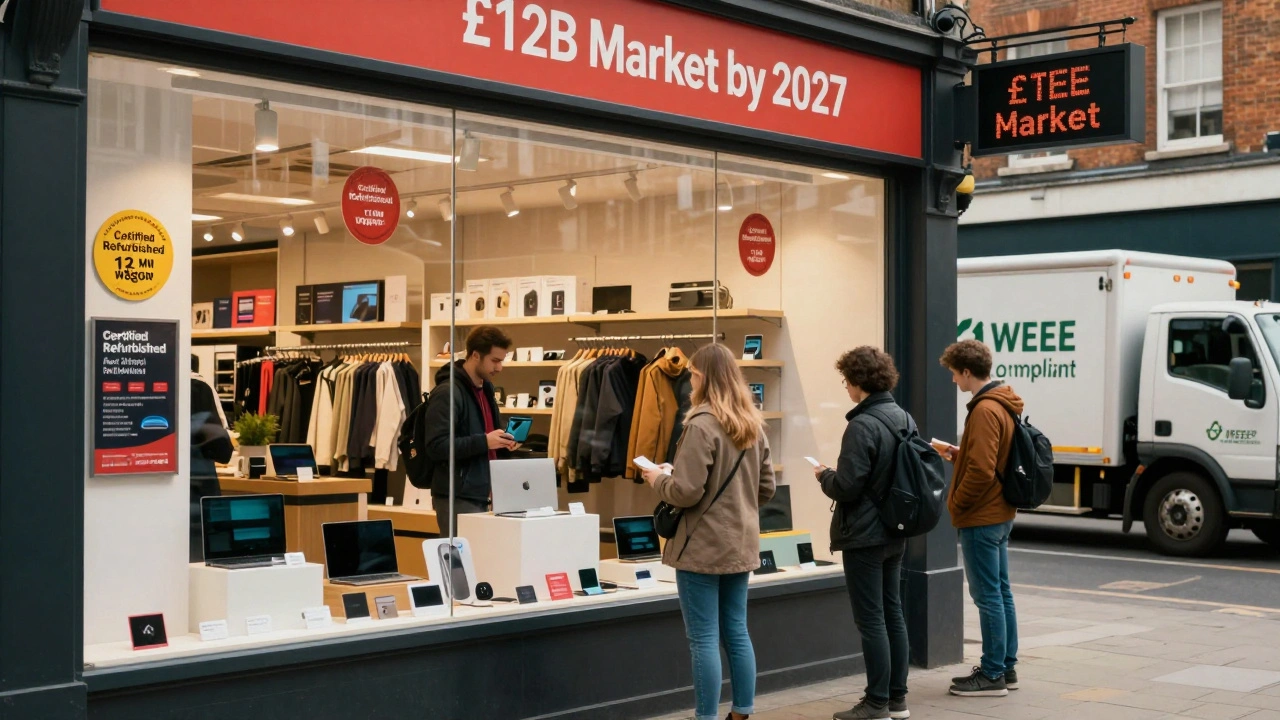
The winners won’t be the ones who spend the least on returns. They’ll be the ones who turn returns into revenue. Refurbished goods in the UK are expected to hit £12 billion in sales by 2027. That’s a market bigger than second-hand car sales.
If you’re still treating returns as a cost, you’re leaving money on the table-and possibly breaking the law. The future of retail in the UK isn’t just about selling more. It’s about using what you already have, better.
What is the average cost of a return in the UK?
The average cost per return in the UK is £25-£35, including shipping, labor, restocking, and potential markdowns. For electronics, costs can rise to £50+ if the item needs repair or data wiping. Retailers who refurbish and resell recover 40-60% of the original value.
Are free returns mandatory in the UK?
No, free returns aren’t legally required-but they’re expected. Under the Consumer Contracts Regulations 2013, customers have 14 days to return items for any reason, but retailers can charge for return shipping unless they advertised free returns. Most major brands offer free returns to stay competitive.
Can I sell refurbished products in the UK?
Yes, and it’s growing fast. Refurbished goods must be clearly labeled as such and come with a minimum 12-month warranty. They must also meet safety standards (CE or UKCA marking). Platforms like Amazon, eBay, and Back Market allow refurbished listings, but require proof of testing and certification.
What happens to returned clothing in the UK?
About 30% of returned clothing is resold as new or refurbished. Another 25% is donated to charities. Around 35% ends up in recycling, where fibers are turned into insulation or cleaning cloths. The rest-about 10%-goes to landfill, mostly due to stains, damage, or lack of sorting infrastructure. New EPR laws in 2026 will require brands to fund the recycling of unsellable textiles.
How do I start a refurbishment program with a small budget?
Start small: pick one product category with high return rates. Set up a simple sorting station with bins labeled ‘Resell’, ‘Repair’, ‘Recycle’. Use free tools like Google Sheets to track returns and reasons. Partner with a local repair shop for low-cost fixes. Sell refurbished items on your own website or Facebook Marketplace. Track your recovery rate-once you see profit, scale it.