 by
by Route Planning and Last-Mile Delivery in the UK: Tools and Best Practices
9 Apr, 2026Key Takeaways for UK Delivery Operations
- Cost Reduction: Proper route planning cuts fuel consumption by 15-20% and reduces vehicle wear.
- Compliance: Navigating ULEZ and Clean Air Zones (CAZ) is now a requirement, not an option.
- Customer Expectation: Real-time tracking and 1-hour windows are the new baseline for UK consumers.
- Sustainability: The shift toward electric vans and cargo bikes is accelerating in urban centers.
The Real Cost of the Last Mile in Britain
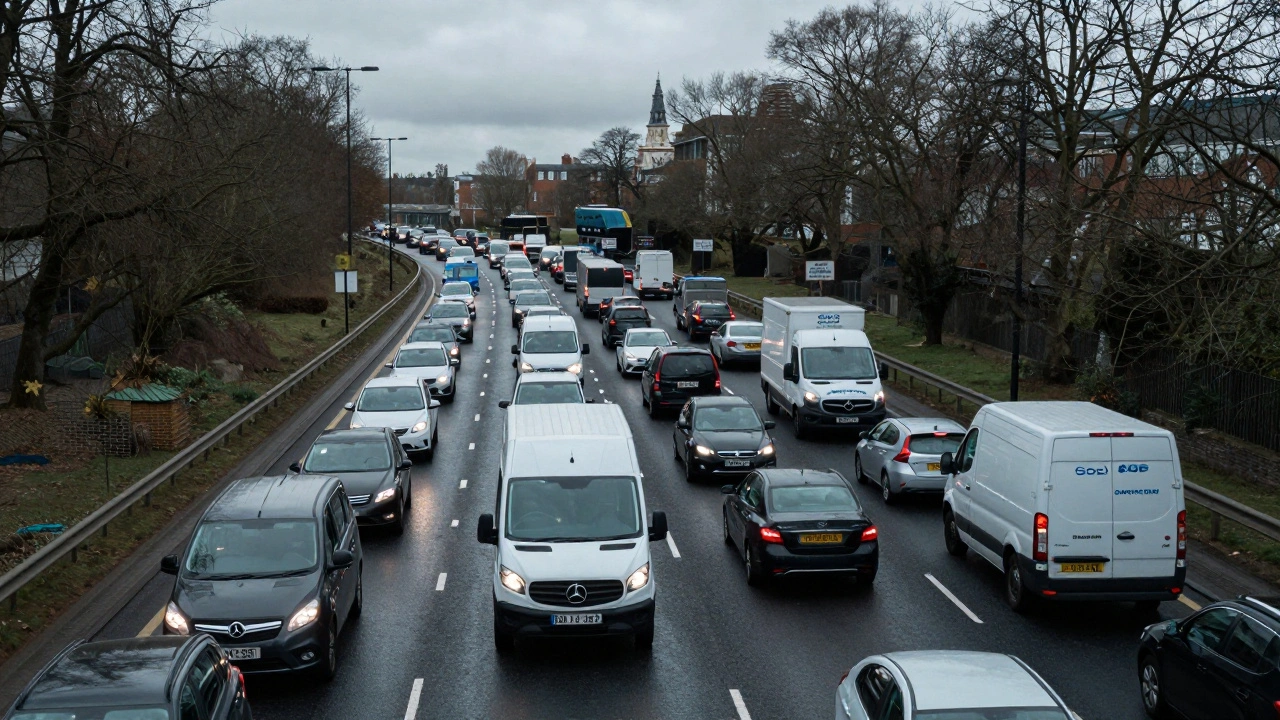
When we talk about last-mile delivery is the final step of the logistics process where a parcel is moved from a local hub to the end customer, we're talking about the most volatile segment of the journey. In the UK, this is complicated by a unique geography. You have high-density urban cores like the City of London where parking is non-existent, and sprawling rural areas in the Highlands where a single drop-off might take 20 minutes of driving.
The primary drain on profits isn't just the fuel; it's the "failed delivery." When a driver arrives at a home in Birmingham and the customer isn't there, the cost of that shipment doubles instantly. You pay for the trip there, the time spent waiting, and the trip back to the depot. This is why moving away from vague "between 8 am and 6 pm" slots toward precise windows is the biggest win for any UK operator.
Smart Route Planning: Moving Beyond the Map
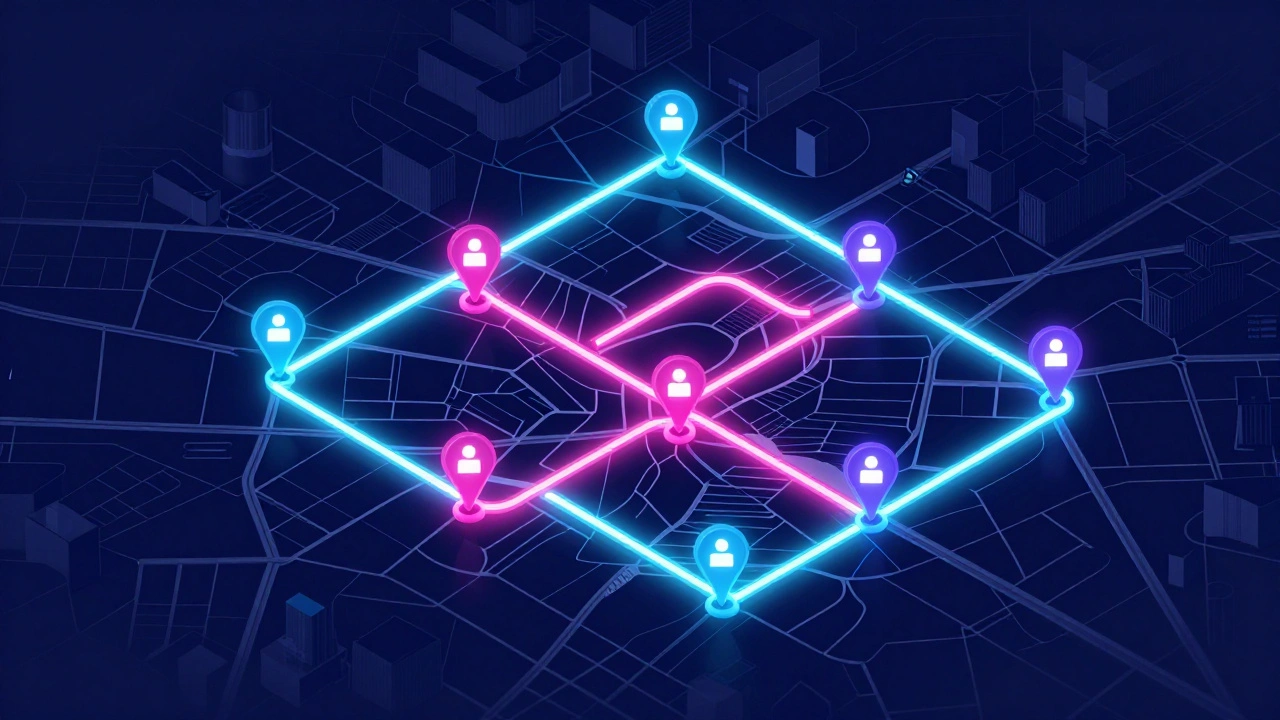
Many small fleets still rely on a driver's "gut feeling" or basic GPS. That's a recipe for wasting money. Professional route optimization is the process of determining the most cost-effective path for a fleet to visit a set of locations. It doesn't just look at the shortest distance; it looks at the most efficient sequence.
Consider the "Traveling Salesman Problem" in a real-world UK context. A driver in Bristol might have 40 drops. If they visit them in a random order, they might cross the same bridge five times. Optimization software calculates the best sequence by analyzing traffic patterns and delivery priorities. For example, if a corporate client in the Financial District requires delivery by 10 am, the software anchors that stop and builds the rest of the route around it.
To really make this work, you need to integrate data. Your software should know if a certain street in Leeds is closed for roadworks on a Tuesday or if a specific loading bay in London is notoriously slow. Static maps are useless; you need dynamic data that updates every few minutes.
Choosing the Right Tools for the Job
Depending on your fleet size, your toolset will look different. A local bakery with two vans doesn't need the same tech as a national courier. However, the core requirements remain the same: accessibility, real-time updates, and ease of use for the driver.
| Tool Category | Best For | Key Feature | Typical Cost |
|---|---|---|---|
| Basic Route Planners | Small local businesses | Multi-stop mapping | Low/Free |
| Dynamic Optimization | Growing fleets (10-50 vans) | AI-driven sequencing | Monthly subscription |
| Full TMS (Transport Management) | Enterprise Logistics | End-to-end visibility | High Enterprise Fee |
For those scaling up, TMS (Transport Management Systems) are the gold standard. These platforms handle everything from load balancing to driver payroll. If you're managing 100+ vehicles, a TMS allows you to see exactly where every van is on a map of the UK in real-time, which is essential for answering the dreaded "Where is my parcel?" phone call.
Navigating UK Regulations and Urban Restrictions
You can't plan a route in the UK today without considering the Ultra Low Emission Zone is a low-emission zone in central London where vehicles must meet specific exhaust standards or pay a daily charge. If your software doesn't account for ULEZ or the various Clean Air Zones in cities like Birmingham and Glasgow, you'll find your margins eaten up by daily fines and charges.
The trend is moving toward "Micro-Hubs." Instead of a massive warehouse on the outskirts of a city, companies are using smaller, strategically placed hubs inside the city limits. From these hubs, the actual last-mile delivery is done via electric vans or cargo bikes. This solves two problems: it bypasses the heavy congestion of main arteries like the A1 and it meets the strict emissions standards of city councils.
Another critical factor is the "curbside conflict." In cities like London, parking for delivery vans is a nightmare. Best practices now involve using apps that identify legal loading bays or collaborating with local councils to secure temporary delivery zones. If a driver spends 10 minutes searching for a spot for every single drop, your efficiency plummets.
Best Practices for Driver Efficiency
The best software in the world is useless if the driver ignores it or finds it frustrating. Driver experience is a massive part of the equation. If the interface is clunky, they'll go back to using their own personal shortcuts, which ruins your data and your planning.
First, focus on the "Handover." The transition from the warehouse to the van is where most time is lost. Implementing a barcode scanning system ensures the right parcels are on the right van before it leaves the depot. There is nothing more expensive than a driver realizing they have a package for Edinburgh while they are already halfway through a route in Leeds.
Second, use "Proof of Delivery" (POD) tools. Digital signatures and photo evidence of the parcel on the porch are now standard. This not only protects the business from false claims of non-delivery but also provides a digital timestamp that helps you analyze where drivers are spending too much time.
Third, incentivize efficiency, not just speed. If you reward drivers solely on the number of drops per hour, they might park illegally or rush through safety checks. Instead, reward them for route adherence and low fuel consumption. This creates a culture of precision rather than just haste.
The Future: Electric Fleets and Autonomous Delivery
The UK is pushing hard toward 2030/2035 bans on new petrol and diesel vans. This means Electric Vehicles (EVs) are no longer a luxury-they are a requirement. However, EVs introduce a new variable into route planning: charging time.
Unlike diesel, where you just fill up and go, EVs require a charging strategy. Your route planning tool must now account for the battery percentage and the location of fast-chargers. A route that is the shortest in distance might be the worst choice if it doesn't have a charging point near the end of the loop.
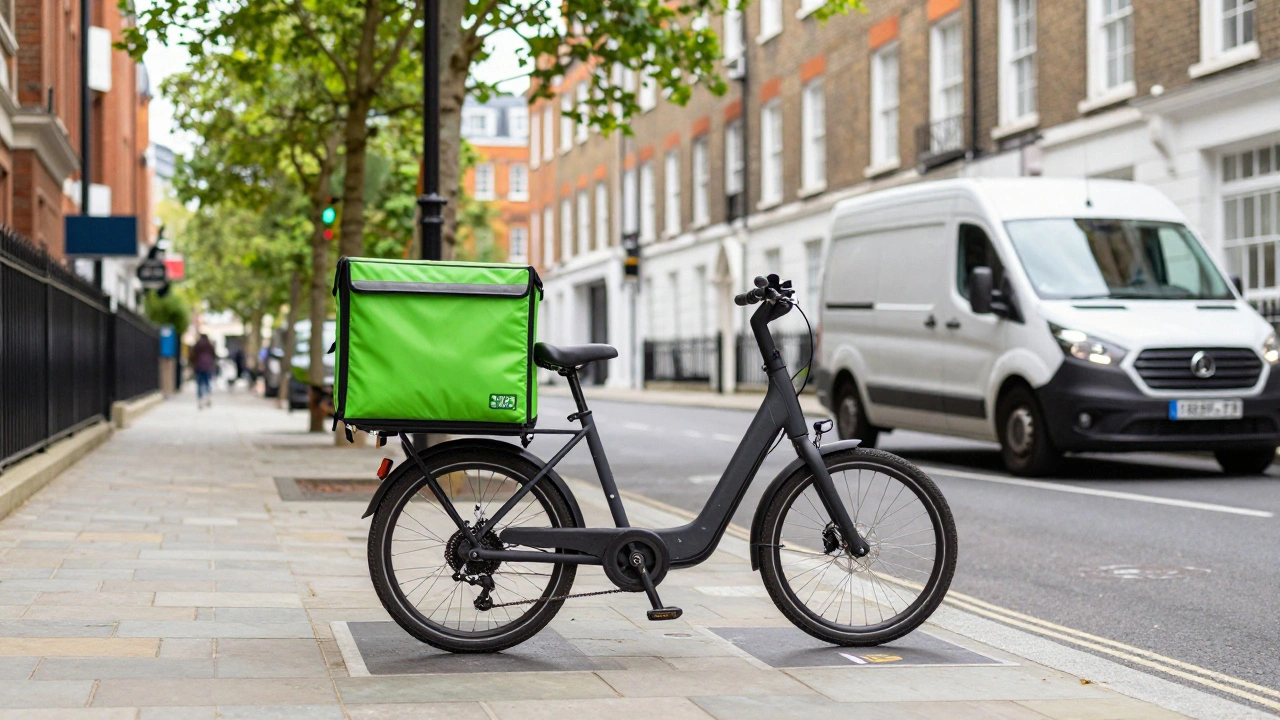
We're also seeing the rise of Cargo Bikes for the very final stretch. In dense urban areas, a bike can often move faster than a van and park right in front of the door. The hybrid model-where a large electric truck acts as a mobile hub and bikes handle the drops-is becoming a viable strategy for high-density UK postcodes.
How does route optimization actually save money?
It saves money by reducing the total mileage driven, which lowers fuel costs and vehicle maintenance. More importantly, it reduces the number of vehicles needed to complete the same amount of deliveries. By sequencing stops logically, a company can often do the work of five vans with four, significantly cutting labor and insurance costs.
What is the biggest challenge for last-mile delivery in the UK?
Urban congestion and strict emission regulations (like ULEZ) are the biggest hurdles. The UK's old city layouts weren't built for modern delivery vans, leading to traffic jams and parking fines. Balancing the need for speed with the legal requirements of "green zones" requires sophisticated planning tools.
Do I need a full TMS for a small fleet?
Probably not. If you have fewer than 10 vehicles, a dedicated route optimization app is usually enough. Full Transport Management Systems offer deep analytics and warehouse integration that small operations typically don't need. Start with dynamic routing and move to a TMS once you hit a scale where manual administration becomes a bottleneck.
How do I handle failed deliveries in rural UK areas?
The best way is to offer "PUDO" (Pick Up Drop Off) points. Instead of attempting a home delivery in a remote area with a high failure rate, allow customers to collect their items from a local convenience store or locker. This removes the uncertainty of the final drop and keeps the driver on a tighter, more predictable schedule.
Are electric vans actually efficient for last-mile delivery?
Yes, especially in stop-start city traffic where idling diesel engines waste fuel. EVs are cheaper per mile and allow access to restricted zones without paying daily charges. The main challenge is the "range anxiety" and the need for a charging infrastructure at the depot, but for urban routes, they are almost always more cost-effective in the long run.
Next Steps for Your Operation
If you're still using manual spreadsheets to plan your day, start by auditing your last 30 days of delivery data. Look for the "hot spots" where drivers spend the most time idling and the routes with the highest failure rates. Once you have that data, try a trial run with a dynamic route optimizer on your most complex route.
For those already using tech, the next move is integration. Connect your route planning tool to your customer communication system so that when a driver is 10 minutes away, the customer gets an automatic text. This tiny change drastically reduces failed deliveries and increases customer satisfaction scores.