
 by
by Sentiment Analysis for UK Brands: How Reviews and Social Listening Drive Customer Loyalty
14 Jan, 2026When a customer leaves a one-star review on Trustpilot or tweets a complaint about a UK brand, that’s not just noise-it’s a signal. And if you’re ignoring it, you’re losing customers without even knowing why. Sentiment analysis isn’t some fancy tech buzzword. For UK brands, it’s the difference between reacting too late and staying ahead of customer frustration before it turns into churn.
What Sentiment Analysis Actually Does for UK Brands
Sentiment analysis uses AI to scan text-like product reviews, Twitter replies, Facebook comments, and Reddit threads-and figure out if the tone is positive, negative, or neutral. It’s not about counting words. It’s about understanding context. For example, the phrase "I love this product but the delivery took forever" isn’t purely positive. The AI needs to know that the negative part might outweigh the positive, especially if delivery delays are a common complaint across dozens of similar reviews.
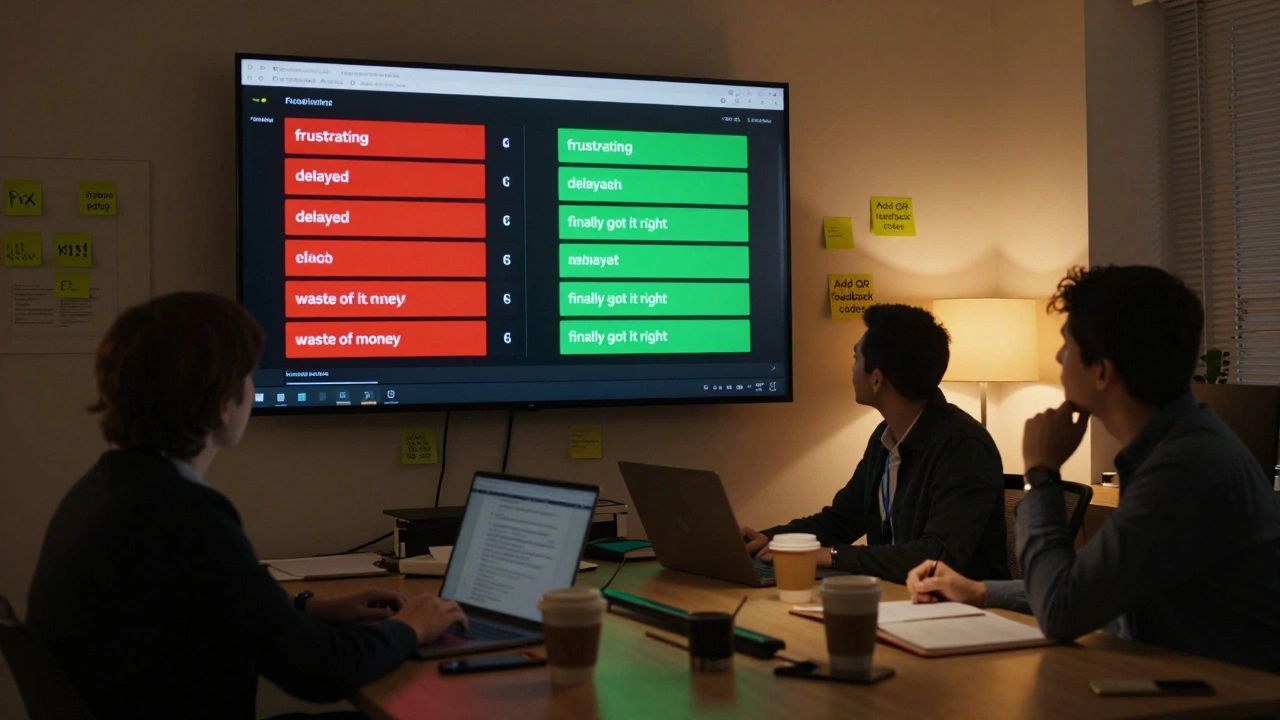
Brands like John Lewis, Ocado, and Monzo have been using this for years. They don’t just look at star ratings. They dig into the language people use. Words like "disappointed," "waste of money," or "finally got it right" carry more weight than a number. One UK retailer found that customers using the word "frustrating" in reviews were 4x more likely to cancel subscriptions within 30 days. That’s not a coincidence. That’s data you can act on.
Where UK Brands Are Getting It Right (and Wrong)
Let’s look at two real examples. In 2024, a major UK supermarket chain noticed a spike in negative sentiment around their fresh produce section. People weren’t just saying "bad fruit." They were saying "overpriced," "rotten by day two," and "no replacement policy." The brand didn’t just fix the supply chain-they changed their return policy and added a QR code on produce labels linking to a feedback form. Within six weeks, negative mentions dropped by 37%.
On the flip side, a popular UK fashion brand ignored growing complaints about sizing inconsistencies. Customers kept saying "I ordered two sizes," "returned three times," and "never buying again." The brand kept running ads saying "Our clothes fit everyone." The sentiment didn’t change. Sales dropped 18% in six months. They finally listened in 2025-added detailed size guides with real customer photos-and saw a 22% rebound in repeat purchases.
What’s the pattern? Brands that act on sentiment data see loyalty grow. Brands that treat it as a metric to report, not a message to fix, lose customers quietly.
How to Start Using Social Listening Without a Big Budget
You don’t need a $50,000 AI platform. You can start with free tools and simple processes.
- Set up Google Alerts for your brand name + "review," "complaint," or "review"
- Use Twitter’s advanced search to track mentions with hashtags like #YourBrandNameFail or #YourBrandNameWin
- Check Trustpilot, Feefo, and Google Reviews daily-don’t wait for monthly reports
- Use free sentiment tools like MonkeyLearn or Lexalytics’ trial version to scan 500 reviews a month
One small UK skincare brand started by reading every single review on their website. They noticed that 62% of negative reviews mentioned the scent. They didn’t change the formula-they added a note on the product page: "This product has a natural lavender scent. If you’re sensitive to fragrance, try our unscented version." Sales of the unscented line jumped 40% in two months.
It’s not about automation. It’s about attention. The first step is just reading what customers are actually saying-not what you hope they’re saying.
Connecting Sentiment to Customer Loyalty
Customer loyalty isn’t built with points or discounts. It’s built with trust. And trust comes from feeling heard.
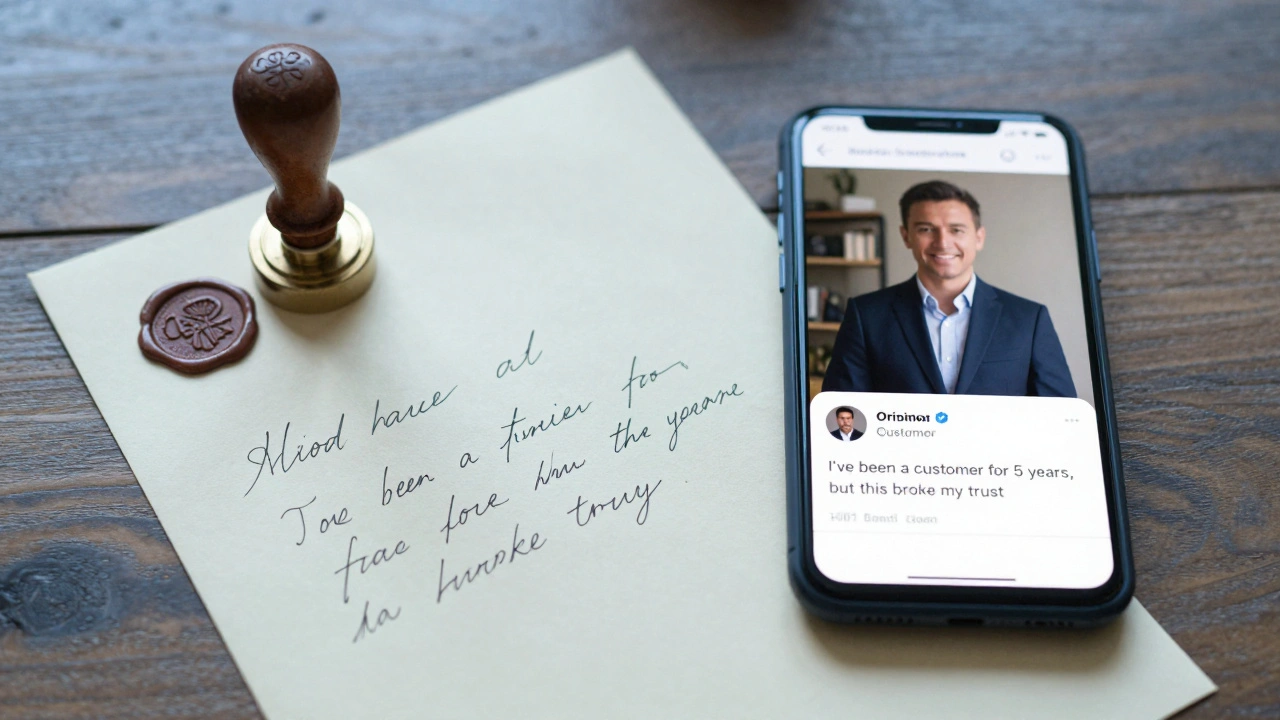
When a customer posts: "I’ve been a customer for 5 years, but this last order broke my trust," and the brand replies with a personal video apology, a refund, and a handwritten note-they don’t just fix the order. They rebuild the relationship. That’s the power of sentiment-driven action.
Brands that respond to negative sentiment with empathy see 3x higher retention rates than those who respond with automated replies. A study by the University of Manchester found that customers who received a personalized response to a negative review were 74% more likely to leave a follow-up positive review-and 58% more likely to recommend the brand to friends.
It’s not about being perfect. It’s about being present. Customers don’t expect flawless service. They expect you to care when things go wrong.
What to Track Beyond Positive/Negative
Don’t stop at "happy" or "angry." Look for themes. Here’s what matters most for UK brands:
- Delivery delays - Top complaint in retail and food delivery
- Customer service wait times - Especially on phone and live chat
- Product quality inconsistency - Common in fashion, beauty, and electronics
- Hidden fees - Big trigger in subscription services
- Return process - If it’s hard, loyalty dies
One energy provider in the UK tracked sentiment around "billing errors" and found that 80% of complaints came from customers who’d been with them for over two years. They didn’t lose them because they were unhappy with the price. They lost them because they felt tricked. The fix? A monthly email explaining billing changes in plain language. Churn dropped by 29%.
Track the emotional trigger, not just the complaint.
Common Mistakes UK Brands Make
Here’s what not to do:
- Only looking at star ratings-5 stars doesn’t mean loyalty
- Replying with canned responses like "Thanks for your feedback!"-customers spot this instantly
- Waiting for monthly reports-sentiment changes fast
- Ignoring positive sentiment-happy customers are your best advocates
- Thinking it’s just for marketing-it’s for product, service, and operations teams
One UK travel company kept celebrating their 4.7-star rating on TripAdvisor. But when they analyzed the text, they found 60% of the five-star reviews mentioned "amazing staff," while 85% of the one-star reviews blamed "staff who didn’t know the schedule." They trained their frontline team. Ratings stayed the same-but the number of repeat bookings jumped 33%.
Sentiment analysis isn’t about improving scores. It’s about improving experiences.
Turning Feedback Into Action
Here’s a simple system any UK brand can use:
- Collect reviews and social mentions daily
- Use a free tool to tag sentiment and themes
- Assign one team member to review top 10 negative comments each Monday
- Share the top 3 issues with product, delivery, and service teams
- Reply personally to at least 5 customers each week
- Track changes in sentiment over 30 days
It takes less than an hour a day. But the impact? Huge. A UK-based pet food brand started this process in early 2025. Within 90 days, their Net Promoter Score rose from 32 to 51. Why? Because customers saw their complaints turned into new product flavors.
People don’t just buy products. They buy brands that listen.
Can sentiment analysis predict customer churn?
Yes. Brands that track sentiment over time can spot early warning signs. Customers who repeatedly use words like "fed up," "done with," or "switching" in reviews or social posts are 3-5x more likely to leave within 60 days. The key is catching it before they stop engaging entirely.
Do I need AI tools for sentiment analysis?
Not at first. You can start by reading reviews manually and grouping complaints by theme. But once you hit 500+ reviews a month, AI tools like Lexalytics, MonkeyLearn, or even Google’s Natural Language API become necessary to scale. They catch patterns humans miss-like sarcasm or cultural phrasing unique to UK English.
How often should I check sentiment data?
Daily for active brands. If you’re posting on social media, running promotions, or have high customer volume, check at least once a day. Even 15 minutes of scanning can catch a sudden spike in complaints before it becomes a crisis. Weekly is the absolute minimum.
What’s the difference between sentiment analysis and customer surveys?
Surveys ask customers what they think. Sentiment analysis listens to what they say unprompted. Surveys are controlled. Sentiment data is raw, real, and often more honest. A customer might give a 5-star survey rating because they feel guilty, but post "I hate this company" on Twitter. Both matter-but sentiment reveals the truth behind the numbers.
Can sentiment analysis help with product development?
Absolutely. One UK skincare brand noticed customers repeatedly asking for "a version without parabens" in reviews. They didn’t have a survey asking that. But the data was there. They launched a paraben-free line within 4 months. It became their best-selling product. Sentiment analysis isn’t just for fixing problems-it’s for discovering what customers want before they even ask.
Next Steps for UK Brands
If you’re not doing this yet, start today. Pick one channel-Trustpilot, Google Reviews, or Twitter-and read every single comment for one week. Write down the top three complaints. Then, go to your team and ask: "What are we doing about this?"
Don’t wait for a tool. Don’t wait for a budget. Start with attention. Because in the end, customer loyalty isn’t about how good your product is. It’s about how well you listen.