 by
by Software Licensing in the UK: Understanding EULAs, Subscriptions, and Audit Rights
21 Feb, 2026When you buy software in the UK, you don’t actually own it. You’re buying a license to use it. This isn’t just legal jargon-it’s a reality that affects every business, from a one-person startup to a multinational firm. Many people think they’re purchasing a product, like a book or a tool. But software works differently. And if you don’t understand the rules, you could be at risk of an audit, fines, or even legal action.
What Is a EULA, Really?
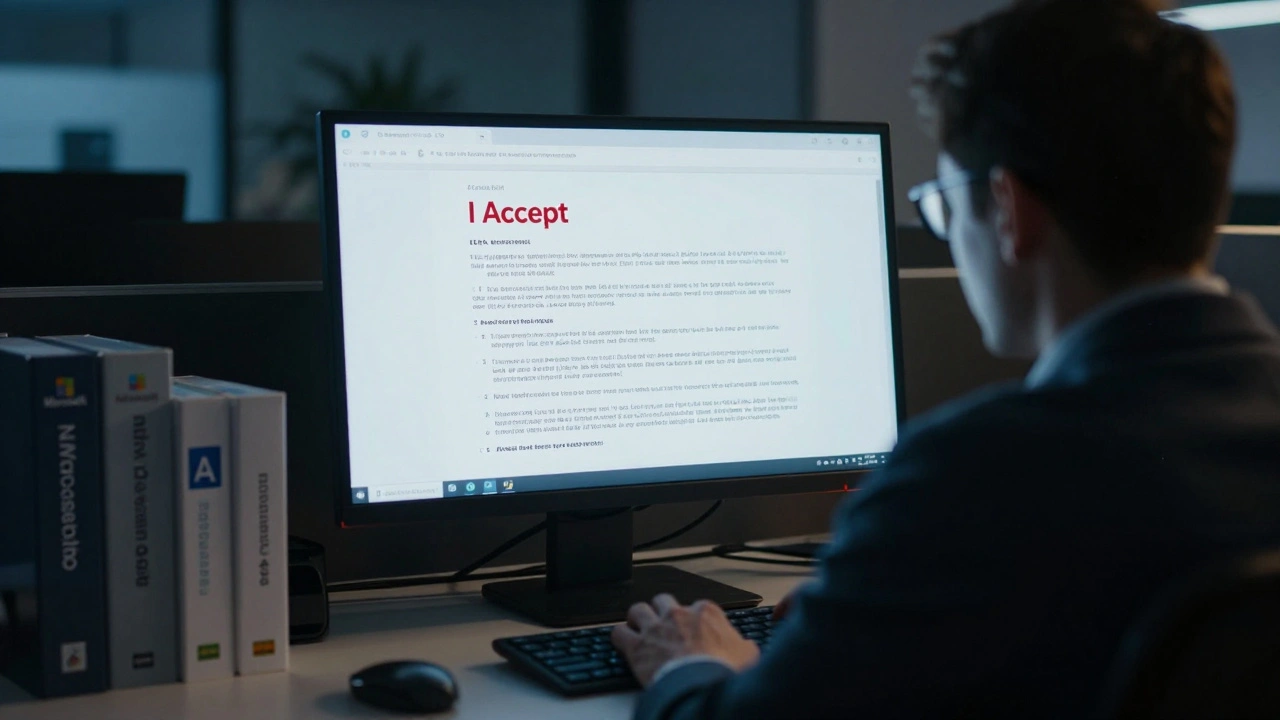
A EULA-End User License Agreement-is the contract you agree to when you click "I Accept" during software installation. Most people skip it. Big mistake. In the UK, courts have upheld EULAs as legally binding contracts under the Consumer Rights Act 2015 and the Unfair Contract Terms Act 1977. That means even if you never read it, you’re still bound by its terms.
Here’s what EULAs commonly restrict:
- Number of devices you can install the software on
- Whether you can transfer the license to someone else
- Use of the software for commercial purposes
- Reverse engineering or modifying the code
- Sharing login credentials across teams
Take Microsoft Office. If your EULA says one license = one user, and you install it on five computers for five people, you’re violating the agreement-even if you bought the software legally. The same applies to Adobe Creative Cloud, Autodesk, or even open-source tools with commercial use restrictions.
Some EULAs even say you can’t use the software if you’re in a specific industry. For example, certain CAD tools forbid use in defense or aerospace without a special license. These aren’t just suggestions-they’re enforceable conditions.
Subscription Models Are Changing Everything
Ten years ago, software was sold as a one-time purchase. Today, it’s mostly subscription-based. Companies like Microsoft, Adobe, and Autodesk now rely on recurring revenue. That means you pay monthly or annually to keep using the software.
But subscriptions come with hidden traps:
- You lose access if you stop paying-even if you’ve been using the software for years
- Updates are forced, and you can’t opt out
- Licenses are tied to accounts, not machines
- There’s no resale value
For UK businesses, this shifts the financial model. Instead of a large upfront cost, you have ongoing expenses. That’s fine if you budget for it. But if you treat subscriptions like perpetual licenses, you’ll get burned. A 2024 report by the British Software Association found that 43% of SMEs didn’t track their software subscriptions, leading to duplicate licenses, unused licenses, and unexpected renewal spikes.
Also, subscription terms can change. A vendor might raise prices, remove features, or alter usage rules. Unlike a boxed product you bought in 2018, a subscription can be taken away with 30 days’ notice. Read the fine print every year.
Audit Rights: The Hidden Risk
Software vendors don’t just trust you to follow the rules. They have the right to audit you. This isn’t a threat-it’s standard practice. Most EULAs include an audit clause that lets the vendor inspect your systems to verify compliance.
Here’s how it usually works:
- The vendor sends a notice (often via email or letter)
- You have 30 days to provide a software inventory
- They may send a third-party auditor to scan your network
- If they find unlicensed use, you’re billed for back fees + penalties
Penalties can be brutal. In 2023, a UK-based marketing agency was hit with a £187,000 bill after an Autodesk audit found 12 unlicensed copies of AutoCAD. The company thought they were covered because they’d bought licenses years ago-but hadn’t renewed them. The vendor counted every machine where the software was installed, even if it was inactive.
Worse, some vendors use automated tools to scan public websites, GitHub repos, or even LinkedIn profiles for software names. If your team mentions using a tool like Tableau or SolidWorks in a post, that’s enough to trigger an audit.
What You Can Do to Stay Compliant
Compliance isn’t about fear-it’s about control. Here’s how to protect your business:
- Keep a master inventory of every software license, including purchase date, license type, number of users, and expiration date
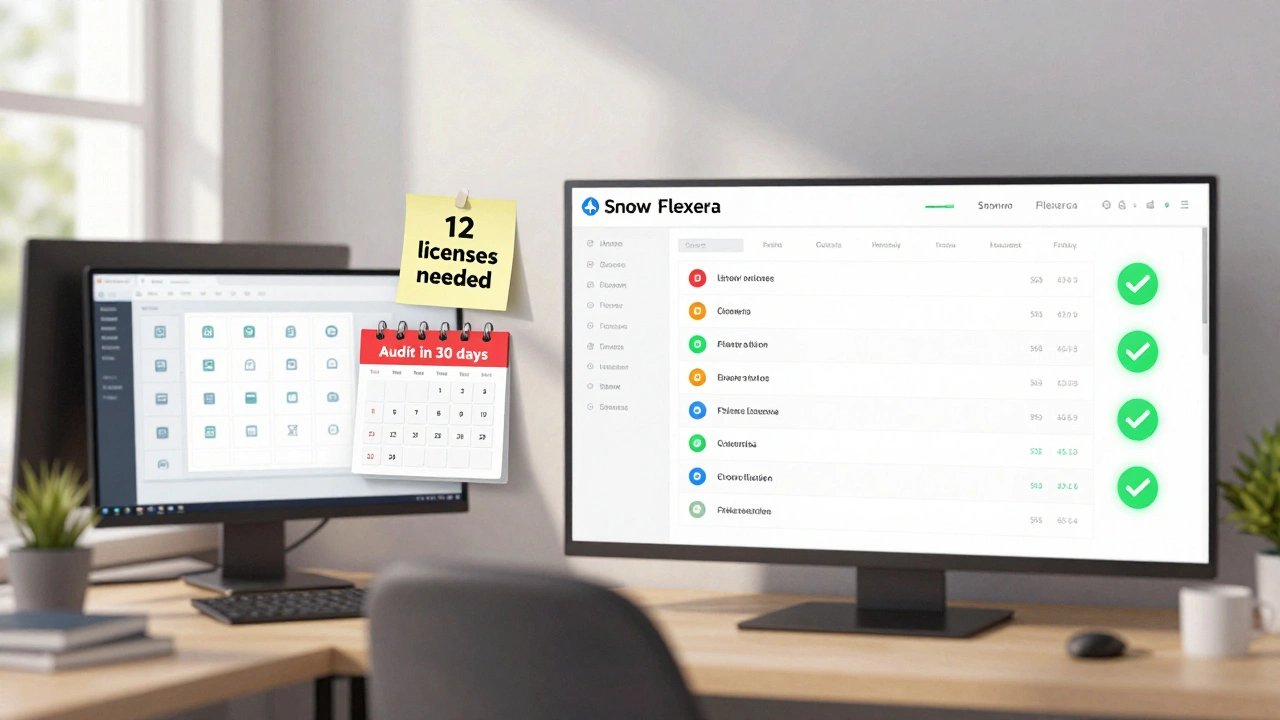
- Use license management tools like Snow Software, Flexera, or even free options like Spiceworks to track installations automatically
- Train your team-don’t let employees install software on company devices without approval
- Review subscriptions quarterly-cancel unused ones, downgrade plans, or switch to alternatives
- Never share licenses-even if it seems harmless, sharing a single Adobe license among 10 designers violates most EULAs
Some UK businesses hire compliance officers just to manage software licenses. For small teams, it’s overkill. But even a spreadsheet updated monthly can save you tens of thousands in penalties.
What’s Different in the UK?
UK law gives you more protection than the US or EU in some areas. Under the Consumer Rights Act 2015, you can challenge unfair terms in EULAs. If a vendor tries to charge you for 100 unlicensed copies but only 10 were actually used, you can argue the penalty is disproportionate.
Also, the UK Information Commissioner’s Office (ICO) can step in if an audit involves invasive scanning of personal data-like employee emails or private files. Vendors can’t just scan your entire network without limits.
But UK courts still side with vendors on core license terms. You can’t claim ignorance. If your EULA says no commercial use, and you use it for client work, you’re in breach. The law doesn’t care if you didn’t read it.
Common Myths Debunked
- Myth: "I bought it, so I own it." Reality: You own the physical media (if any), not the software. The license controls usage.
- Myth: "If I don’t get audited, I’m fine." Reality: Audits are random, targeted, or triggered by whistleblowers. Waiting for trouble is risky.
- Myth: "Open-source means free for anything." Reality: Many open-source tools (like Redis, Elastic) changed licenses to restrict commercial use. Always check the license type.
- Myth: "My IT guy handles it." Reality: Unless your IT team is trained in licensing law, they’re just installing software. They don’t track compliance.
What Happens If You’re Audited?
If you get a notice:
- Don’t panic-you have rights
- Don’t reply immediately-consult a legal advisor familiar with software licensing
- Don’t delete anything-this could be seen as evidence destruction
- Do gather records-invoices, license keys, deployment logs
- Do negotiate-vendors often accept partial payments or future commitments instead of full penalties
Many audits are settled for 50-70% less than the original demand. But only if you respond correctly. A rushed reply or false data can make things worse.
Final Thought: Licensing Is a Business Function
Software licensing isn’t an IT problem. It’s a legal and financial one. Treat it like payroll or taxes. If you ignore it, you’re gambling. The cost of a single audit can wipe out a year’s profit. But if you manage it proactively, you’ll save money, avoid disruption, and sleep better at night.
The rules won’t change. Vendors will keep auditing. Your only defense? Knowledge, documentation, and discipline.
Are EULAs legally enforceable in the UK?
Yes. UK courts have consistently upheld EULAs as binding contracts under the Consumer Rights Act 2015 and the Unfair Contract Terms Act 1977. Clicking "I Accept" creates a legal obligation, even if you didn’t read the terms. However, unfair or one-sided clauses can be challenged if they’re deemed unreasonable.
Can a software vendor audit my business without warning?
No. Most EULAs require vendors to give at least 30 days’ written notice before conducting an audit. They can’t just show up with a scanner. However, they can use automated tools to detect software usage on public-facing systems (like websites or GitHub). If they find evidence, they can then issue a formal audit request.
What happens if I’m found using unlicensed software?
You’ll typically be asked to pay for the unlicensed copies, plus a penalty-often 2-5 times the standard license cost. In extreme cases, vendors may pursue legal action for copyright infringement. UK courts have awarded damages exceeding £100,000 for large-scale non-compliance. Some vendors also restrict future purchases until the issue is resolved.
Can I transfer a software license to another company?
Usually not. Most EULAs prohibit transferring licenses without written permission from the vendor. Even if you buy a second-hand copy, the license may be tied to the original buyer’s account. Microsoft and Adobe explicitly forbid resale. Some open-source licenses (like GPL) allow transfer, but commercial tools rarely do.
Is it legal to use pirated software if I didn’t know it was pirated?
No. Ignorance is not a legal defense in the UK. If unlicensed software is found on your systems-even if installed by an employee-you’re still liable. The burden of proof is on you to show you took reasonable steps to prevent unauthorized use, like having a licensing policy and training staff.