 by
by Strong Customer Authentication for UK Ecommerce: 3DS2 and SCA Compliance Guide
16 Aug, 2026Did you know that since January 2021, every online transaction in the UK involving a debit or credit card must pass through Strong Customer Authentication is a regulatory requirement under the Payment Services Directive 2 (PSD2) that mandates two-factor authentication for electronic payments. If your checkout process doesn’t meet these standards, you risk failed transactions, higher chargebacks, and even fines from the Financial Conduct Authority. For UK-based ecommerce businesses, this isn’t just a technical hurdle; it’s a survival mechanism.
The shift to 3D Secure 2 is the latest version of the 3D Secure protocol designed to enhance online payment security while reducing friction for customers has changed how we think about checkout. It’s no longer enough to just accept a card number. You need to verify the person holding the card is actually the one making the purchase. This guide breaks down exactly what SCA means for your store, how 3DS2 works under the hood, and the practical steps to get compliant without killing your conversion rate.
Why SCA Changed the Game for UK Payments
Before PSD2, online fraud was a massive headache for merchants. The rules were simple but risky: if a customer said it was them, it was probably them. That loophole allowed fraudsters to use stolen card details with ease. PSD2 is an EU regulation adopted by the UK post-Brexit that modernized payment services and introduced strict consumer protection rules closed that gap. By requiring two independent factors of authentication, the liability for unauthorized transactions shifts significantly toward the bank if proper checks aren’t done.
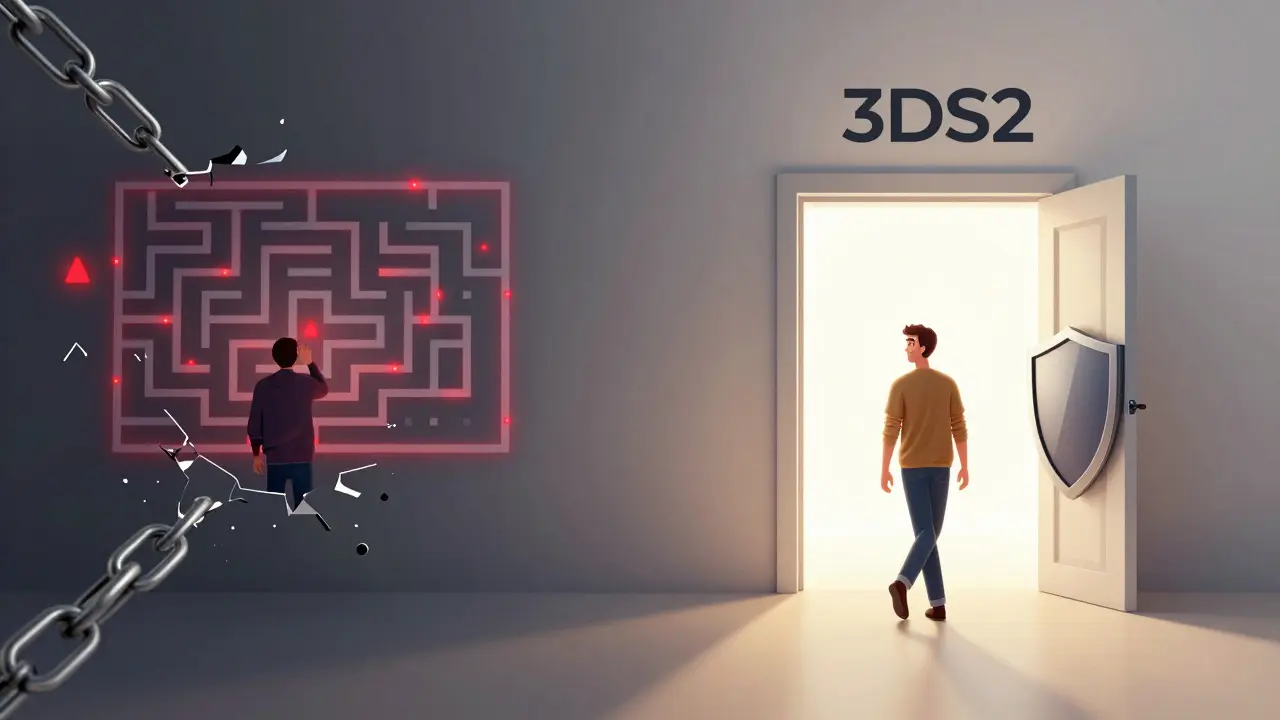
For your business, this means two things. First, your payment provider (like Stripe, PayPal, or Worldpay) now acts as a gatekeeper. They will flag transactions that don’t meet SCA requirements. Second, you have to manage the user experience carefully. If the authentication step feels like a maze, customers leave. The goal is to make the verification seamless so they forget it happened.
Understanding the Three Factors of Authentication
SCA requires two out of three distinct factors. Let’s clarify what those are because confusion here leads to implementation errors:
- Knowledge: Something only the user knows. Examples include a PIN, password, or answer to a security question.
- Possession: Something only the user has. This is typically a smartphone, a hardware token, or a smart card reader.
- Inherence: Something unique to the user’s body. Think biometrics like fingerprints, facial recognition, or iris scans.
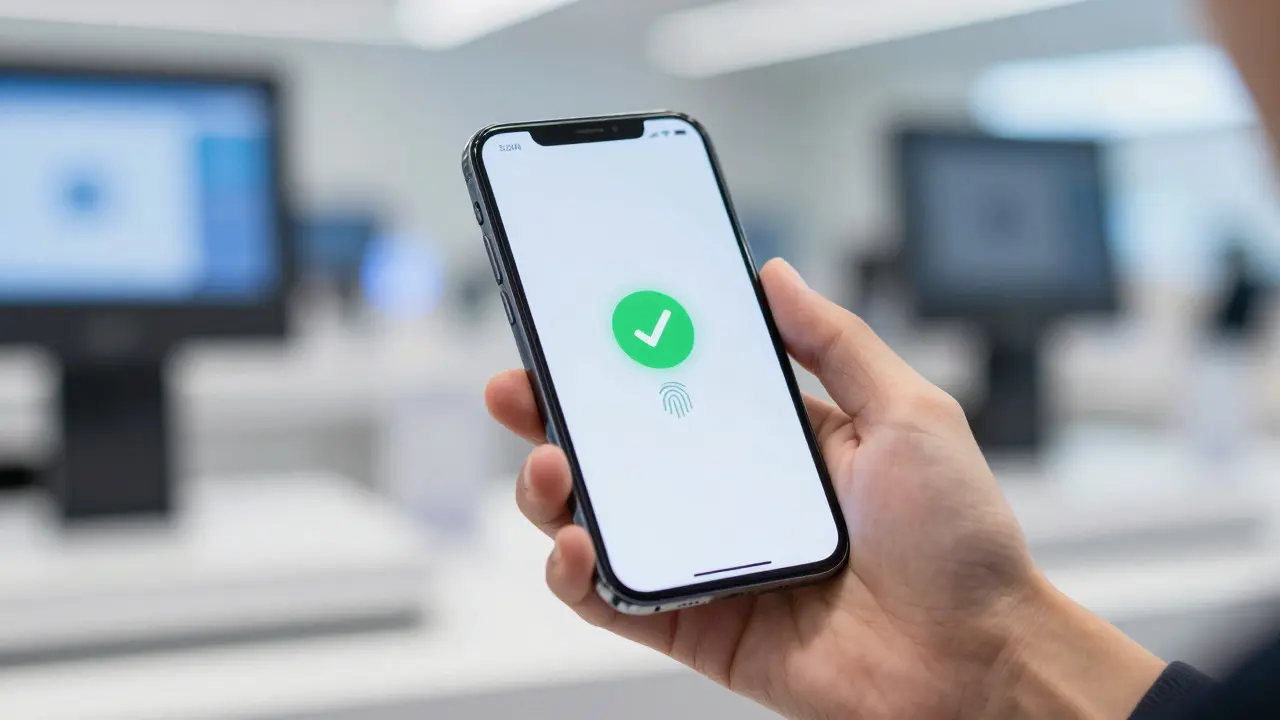
In practice, most 3DS2 flows combine possession and knowledge. For example, a customer receives a push notification on their phone (possession) and confirms it with their mobile device’s fingerprint or PIN (knowledge). This dual-layer approach satisfies the regulator without forcing the customer to remember new passwords.
How 3DS2 Differs from the Old 3DS1
If you’ve been in ecommerce for a while, you remember the old 3D Secure (3DS1). It was clunky. Customers had to be redirected to a separate bank page, often with poor mobile optimization, and sometimes asked for a static OTP sent via SMS. Drop-off rates were high.
3D Secure 2, released in 2016 and widely adopted after 2019, fixes this. It uses rich data exchange between the merchant and the issuer. Instead of sending just a card number, your system sends context: device type, IP address, browsing history, and order details. The bank’s risk engine analyzes this data in milliseconds. If the risk is low, the transaction can proceed without interrupting the customer at all. This is called a "frictionless" flow.
| Feature | 3DS1 | 3DS2 |
|---|---|---|
| Data Exchange | Minimal (Card Number) | Rich (Device, Browser, Location) |
| User Experience | Separate redirect page | Embedded or seamless modal |
| Authentication Methods | SMS OTP primarily | Push, Biometrics, OTP |
| Frictionless Capability | Rare | Common for low-risk transactions |
| Mobile Optimization | Poor | Native app integration |

When Can You Skip Full SCA? (Exemptions)
Not every transaction needs the full two-factor dance. PSD2 includes specific exemptions that allow merchants to apply lighter authentication. Knowing these can save you significant conversion loss.
- Low-Value Transactions: Under £30. However, there is a cumulative limit of £100 per customer before SCA kicks in again.
- Trusted Beneficiaries: If a customer buys from you repeatedly and successfully authenticates five times, subsequent purchases can be exempt for six months.
- Recurring Payments: Subscriptions and standing orders don’t require SCA at each renewal, provided the initial authorization was SCA-compliant.
- Corporate Cards: Business cards used by employees often fall under different corporate governance rules and may be exempt.
- Moto (Mail Order/Telephone Order): Transactions initiated over the phone or mail can be exempt, though digital equivalents are scrutinized.
To use these exemptions, you must tag your transactions correctly in your payment gateway. If you mark a £45 purchase as "low value" when it exceeds the threshold, the bank might reject it or flag you for non-compliance.
Technical Implementation: What Your Dev Team Needs to Know
Getting SCA right is a backend-heavy task. Your frontend handles the UI, but the logic lives in the API calls.
First, ensure your payment gateway supports 3DS2. Major providers like Stripe is a global payments infrastructure company that provides APIs for accepting online payments, PayPal is a leading digital payments platform offering integrated commerce solutions, and Worldpay is a major global acquirer providing payment processing services do. Next, you need to send the correct parameters in your payment intent. This includes the `three_d_secure` object with fields like `challenge_indicator` and `transaction_info`.
The `challenge_indicator` is critical. You can suggest whether you prefer a frictionless flow or a challenge. For example, if the customer is using a new device, you might set it to `prefer_challenge`. If they’re a repeat buyer on their usual phone, set it to `no_preference` or `prefer_frictionless`. The bank makes the final call, but your hint influences their risk engine.
Don’t forget error handling. If the 3DS2 authentication fails, the customer shouldn’t see a generic "Error." Provide clear instructions to retry or switch payment methods. Log these failures to identify patterns-maybe your mobile app isn’t passing the correct device ID.
Impact on Conversion Rates and How to Mitigate It
Let’s be honest: any extra step in checkout risks losing sales. Industry data suggests that poorly implemented SCA can reduce conversion by 5-10%. But well-implemented 3DS2 can actually improve trust and reduce cart abandonment due to fear of fraud.
Here’s how to keep the drop-off low:
- Optimize the Challenge Page: If the bank redirects the user, ensure your site looks professional. A broken layout during auth scares users away.
- Use Trusted Beneficiary Exemptions: Aggressively tag repeat customers. This removes the auth step for your best clients entirely.
- Offer Alternative Payment Methods: Wallets like Apple Pay and Google Pay handle SCA internally within the wallet interface. The customer taps once, and the auth happens invisibly. Promoting these options can bypass the traditional card form friction.
- Clear Communication: Tell users *why* they’re being asked for a code. "Please check your banking app for a confirmation request" is better than "Verify Identity."
Common Pitfalls to Avoid
Many merchants fail not because they lack technology, but because of small configuration errors.
- Ignoring Device Fingerprinting: If you don’t pass accurate device data, the bank sees a "high risk" profile and forces challenges on everyone. Ensure your SDK captures browser and OS details correctly.
- Misusing Exemptions: Applying the low-value exemption to a £35 item will result in declined payments. Double-check your thresholds.
- Not Testing Edge Cases: Test with cards from different banks. Some issuers (like certain challenger banks) have stricter rules than major players like Barclays or HSBC.
- Static Checkout Flows: If your checkout is a single-page application that doesn’t refresh properly after a 3DS redirect, the session might time out. Use robust state management.
Future-Proofing Your Payment Stack
Regulations evolve. While PSD2 is current, the EU is already discussing updates to account information services. In the UK, the FCA keeps an eye on emerging tech like open banking and instant payments.
Stay agile. Work with payment providers who offer white-label solutions where possible. This allows you to customize the authentication UI to match your brand, reducing the "jarring" feel of being kicked to a bank’s page. Also, monitor chargeback ratios. High chargebacks can signal that your SCA implementation isn’t catching fraud effectively, exposing you to liability.
Finally, keep an eye on cross-border sales. If you sell to customers in Europe, they also face SCA rules under local implementations of PSD2. The protocols are similar, but the nuances differ. Ensure your gateway handles international 3DS2 flows seamlessly.
Does SCA apply to all payment methods?
No. SCA primarily applies to card payments (debit and credit). Direct Debits, Standing Orders, and Cash are generally exempt. Digital wallets like Apple Pay and Google Pay are considered secure channels and often handle SCA internally, so the merchant doesn't need to implement the full flow themselves.
What happens if a customer fails SCA authentication?
The transaction is usually declined. The customer should be prompted to try again or select a different payment method. If they fail multiple times, the bank might block the card temporarily. It's crucial to provide a smooth fallback path in your checkout UX.
Can I opt out of SCA for my UK customers?
Generally, no. Unless your transaction fits into a specific exemption category (like low-value or trusted beneficiary), SCA is mandatory for card payments in the UK. Opting out without justification can lead to fines and increased liability for fraudulent charges.
How does 3DS2 affect my shipping costs or insurance?
Indirectly, yes. Better SCA compliance reduces fraud-related chargebacks. Many shipping insurers and payment processors lower their fees or risk scores for merchants with high SCA adoption rates because the likelihood of successful fraud claims decreases.
Is 3DS2 required for B2B transactions?
Often, no. Corporate cards and B2B invoicing frequently fall under exemptions or different regulatory frameworks. However, if a B2B customer pays with a personal card, standard SCA rules apply. Always check with your acquirer for specific B2B guidelines.