
 by
by Supply Chain Visibility for UK Exporters: Tracking International Orders in 2026
25 May, 2026Imagine your latest shipment of handmade ceramics is stuck at a port in Rotterdam. You don’t know if it’s waiting for inspection, sitting on a dock, or already moving toward its final destination in Berlin. For UK exporters, this uncertainty isn't just stressful-it’s expensive. In the post-Brexit landscape of 2026, where border checks are routine and customer expectations are instant, supply chain visibility has moved from a nice-to-have to a survival skill.
Without clear eyes on your goods, you’re flying blind. You can’t promise accurate delivery dates, you can’t react to delays, and worst of all, you might face unexpected fines for missing customs declarations. This guide cuts through the noise to show you exactly how to track international orders effectively, comply with current regulations, and keep your customers happy across borders.
The Post-Brexit Reality: Why Visibility Matters More Than Ever
When the UK left the EU single market, the seamless flow of goods ended. Today, every export requires specific documentation. The days of simply loading a truck and driving to France are over. Now, you need an Export Declaration, often supported by an EORI number (Economic Operators Registration and Identification), and potentially certificates of origin.
If your supply chain lacks visibility, you won’t know when these documents are due or if they’ve been rejected by HM Revenue and Customs (HMRC). A rejected declaration means your goods sit in a bonded warehouse while you scramble to fix paperwork. That costs money every hour. Furthermore, with new digital customs systems rolling out globally, manual tracking via email chains with freight forwarders is no longer reliable enough. You need real-time data integration.
Export Declaration is a mandatory document submitted to customs authorities detailing the contents, value, and destination of goods leaving the country. In the UK, this is typically filed via the Customs Declaration Service (CDS). It serves as the legal basis for releasing goods from the UK territory. Without a valid declaration, carriers cannot legally transport your items across borders.
Core Components of a Visible Supply Chain
Building visibility doesn’t mean buying the most expensive software. It means connecting three critical dots: your inventory, your carrier, and your customer. Here is what you actually need to track:
- Location Data: Where is the physical goods right now? Is it at the supplier’s factory, in transit to the port, or on a ship?
- Status Updates: Has the cargo been loaded? Has it cleared customs? Are there any holds or inspections?
- Document Status: Are the commercial invoices, packing lists, and certificates of origin approved by both UK and destination customs?
Most small to medium-sized enterprises (SMEs) fail because they only track location. They see the dot on the map but miss the red flag in the document status. For example, your container might be physically on the boat, but if the Certificate of Origin is incorrect, it will be seized upon arrival. True visibility covers both physical movement and administrative clearance.
Technology Stack: Tools for Real-Time Tracking
In 2026, relying on phone calls to your freight forwarder is inefficient. You need automated tools. Here are the primary technologies powering modern supply chain visibility:
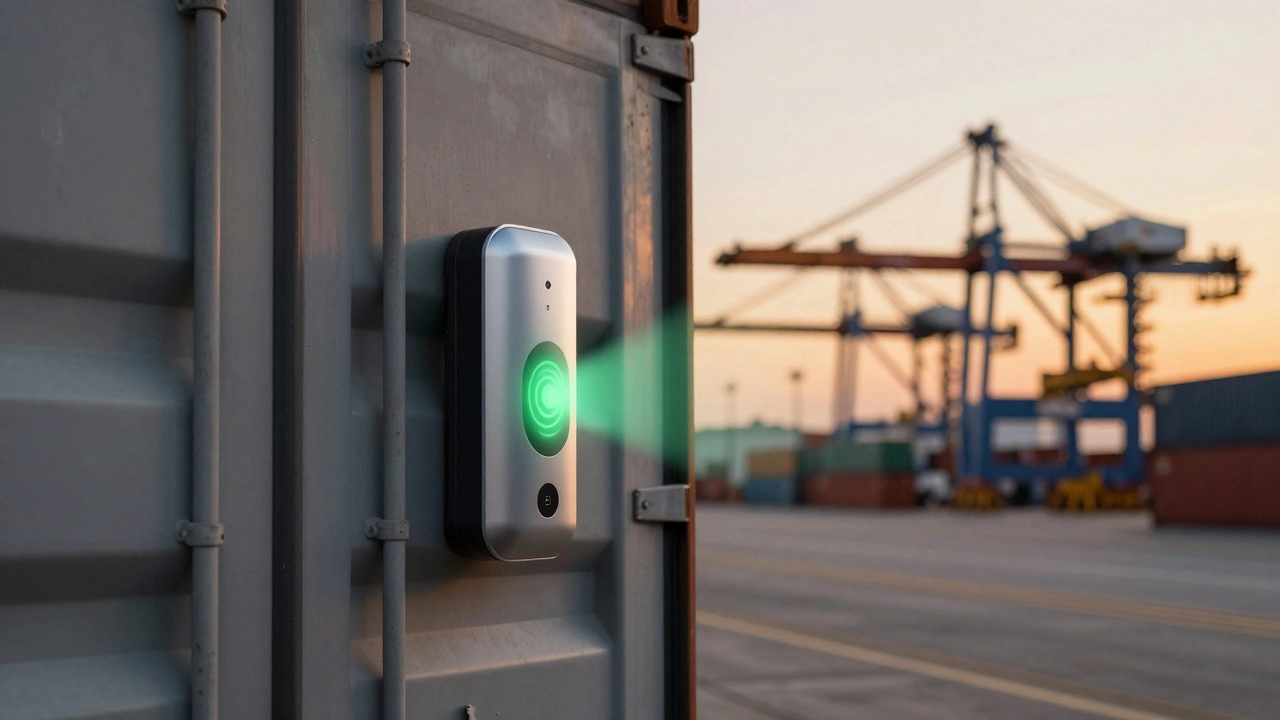
- Telematics and IoT Sensors: These devices attach to containers or pallets. They transmit GPS location, temperature, humidity, and shock data. If you’re exporting pharmaceuticals or fresh food, this is non-negotiable. If the temperature spikes during transit, you get an alert immediately, allowing you to mitigate damage before the customer receives spoiled goods.
- Transport Management Systems (TMS): A TMS acts as the central brain. It integrates with carriers like DHL, Maersk, or FedEx. Instead of logging into five different carrier websites, you view all shipments in one dashboard. Look for TMS platforms that offer API integrations with major global logistics providers.
- Blockchain Ledgers: While still emerging, blockchain is gaining traction for high-value exports. It creates an immutable record of every handoff. This reduces fraud and speeds up customs clearance because authorities can trust the digital history of the goods without extensive physical audits.
| Technology | Best For | Cost Level | Key Benefit |
|---|---|---|---|
| IoT Sensors | Perishables, High-Value Goods | Medium-High | Condition Monitoring (Temp/Humidity) |
| TMS Software | All Exporters | Low-Medium | Centralized Dashboard & Automation |
| Blockchain | Luxury, Pharma, Electronics | High | Fraud Prevention & Trust |
| Carrier APIs | E-commerce Brands | Low | Real-Time Customer Notifications |
Navigating Customs Compliance with Visibility
Visibility isn’t just about watching trucks move; it’s about ensuring legal compliance. The UK uses the Customs Declaration Service (CDS) to replace the older CHIEF system. By 2026, full migration to CDS is complete, meaning all declarations must meet stricter digital standards.
Your visibility tool should flag potential compliance issues early. For instance, if you’re exporting textiles to the US, you need to ensure the correct HS Codes (Harmonized System codes) are used. An error here can lead to duties being miscalculated or goods being held. Advanced visibility platforms integrate with customs databases to validate codes against current trade agreements. Since the UK has signed new trade deals with countries like Australia and New Zealand, leveraging these preferences requires precise documentation. Your system should automatically check if your product qualifies for reduced tariffs under these agreements.
Additionally, keep an eye on Rules of Origin. To benefit from preferential tariff rates, you must prove where your materials came from. If you source fabric from China but sew it in the UK, does it qualify as "UK Made"? Your supply chain records must trace this back clearly. Visibility tools that link procurement data with export declarations make this proof effortless.
Improving Customer Experience Through Transparency
Your customers don’t care about your internal logistics headaches. They care about when their order arrives. In 2026, consumers expect Amazon-level transparency. If you sell B2B, your clients want to update their own inventory systems based on your predicted arrival times.
Proactive communication is key. Instead of waiting for a customer to ask, "Where is my order?", send them automated updates. When a delay occurs-and it will-notify them before they find out. For example, if a storm delays a flight from Heathrow to JFK, your system should trigger an email to the customer explaining the delay and offering a revised ETA. This builds trust. Studies show that customers are more forgiving of delays if they are informed early and honestly.
Consider providing a branded tracking page. Rather than sending a generic link to a carrier’s site, use your TMS to create a white-label tracking experience. This reinforces your brand and keeps the customer engaged with your platform, not your competitor’s logistics partner.

Risk Management: Spotting Problems Before They Happen
True visibility allows for predictive analytics. Modern tools don’t just tell you what happened; they predict what might happen. By analyzing historical data, weather patterns, and port congestion reports, your system can flag high-risk shipments.
For example, if you regularly ship to ports in Los Angeles, and the system detects a labor strike warning or unusual congestion levels, it can suggest alternative routes or earlier booking times. This shifts your strategy from reactive to proactive. You aren’t just fixing problems; you’re avoiding them.
Diversify your carrier mix. Relying on a single freight forwarder creates a single point of failure. Use visibility data to compare performance metrics across multiple carriers. Which one has the fewest delays? Which one handles customs documentation most accurately? Use this data to negotiate better contracts and allocate volume to top performers.
Getting Started: A Practical Checklist
If you’re currently using spreadsheets and email to track exports, start here. You don’t need to overhaul everything overnight.
- Audit Your Current Process: Map out every step from order placement to delivery. Identify where information gaps exist. Where do you lose sight of the goods?
- Choose a TMS: Select a Transport Management System that integrates with your existing ERP or e-commerce platform. Look for user-friendly interfaces and strong API support.
- Digitize Documentation: Move away from paper invoices. Use digital document management systems that auto-populate fields from your sales orders.
- Set Up Alerts: Configure notifications for key milestones: pickup confirmed, departed origin, arrived at destination, customs cleared.
- Train Your Team: Ensure your logistics staff understands how to interpret the data. Visibility is useless if no one acts on the insights.
Start small. Pick your highest-volume route or your most problematic customer segment. Implement visibility there first. Measure the impact on delivery accuracy and customer complaints. Then scale across your entire operation.
What is the cost of implementing supply chain visibility for small UK exporters?
Costs vary widely. Basic TMS subscriptions can start at £50-£100 per month. IoT sensors add hardware costs, often £20-£50 per unit plus subscription fees. However, consider the cost of a single lost shipment or customs fine, which can run into thousands. Most SMEs see ROI within 6-12 months through reduced administrative time and fewer lost sales.
Do I need an EORI number for all international exports?
Yes. If you are exporting goods outside the UK, you need a UK EORI number. If you are also importing goods into the UK, you may need an additional GB prefix. This number is required for all customs declarations. You can apply for it online via the GOV.UK website. Without it, your goods will be blocked at the border.
How does Brexit affect supply chain visibility requirements?
Brexit introduced hard borders between the UK and EU. This means increased documentation and potential physical checks. Visibility tools must now track not just location, but also customs status. Delays are more common, so real-time updates are crucial for managing customer expectations and mitigating demurrage charges at ports.
Can I use free tools for basic shipment tracking?
Most major carriers (DHL, UPS, FedEx) offer free tracking links for individual shipments. However, these lack aggregation. You cannot view all shipments in one place, nor do they provide predictive analytics or automated customer notifications. For serious exporters, a dedicated TMS is necessary to save time and reduce errors.
What are the biggest risks of poor supply chain visibility?
The biggest risks include financial losses from demurrage and detention fees, damaged relationships with customers due to missed deadlines, and compliance penalties from customs authorities. Additionally, lack of visibility prevents you from identifying inefficiencies in your logistics network, leading to higher long-term operational costs.