 by
by Sustainable Business Practices in the UK: Doing Good While Growing
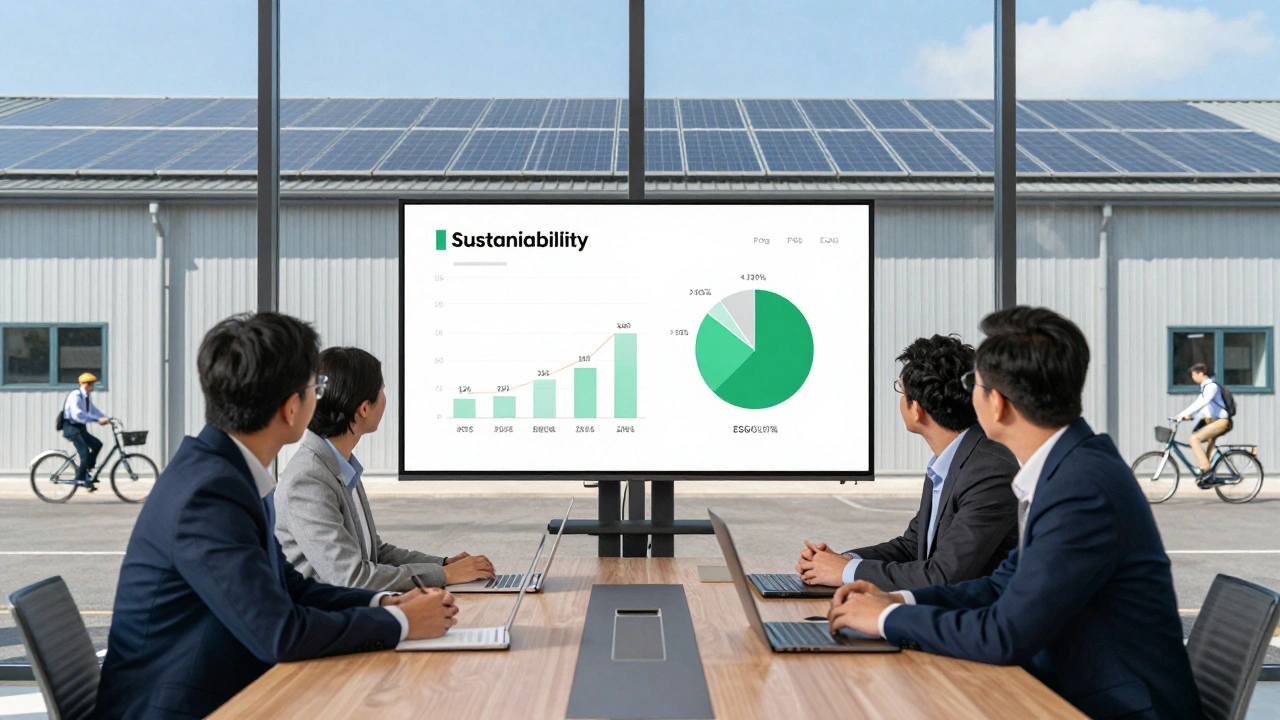
13 Feb, 2026When you think of sustainable business, you might picture solar panels on a warehouse roof or employees biking to work. But in the UK, real change is happening in boardrooms, supply chains, and customer service teams-not just in recycling bins. Companies aren’t just cutting emissions to look good. They’re doing it because it makes their businesses stronger, more resilient, and more profitable.
Why the UK Is Leading the Way
The UK was the first major economy to pass a law committing to net zero emissions by 2050. That wasn’t just a symbolic gesture. It forced companies to rethink everything from how they source materials to how they treat their workers. Today, over 70% of UK businesses with more than 250 employees report having formal ESG (Environmental, Social, and Governance) strategies. That’s up from just 32% in 2020.
It’s not just about compliance. Investors are demanding transparency. The Financial Conduct Authority now requires large companies to disclose climate-related risks in their annual reports. Banks like HSBC and Lloyds have stopped financing new coal projects. Pension funds like the Universities Superannuation Scheme have divested over £12 billion from fossil fuels. If you’re not tracking your carbon footprint, you’re not just falling behind-you’re losing access to capital.
What Actually Works? Real Practices, Not Just Buzzwords
Let’s cut through the noise. Sustainable business in the UK isn’t about planting trees for photo ops. It’s about systems. Here’s what’s working:
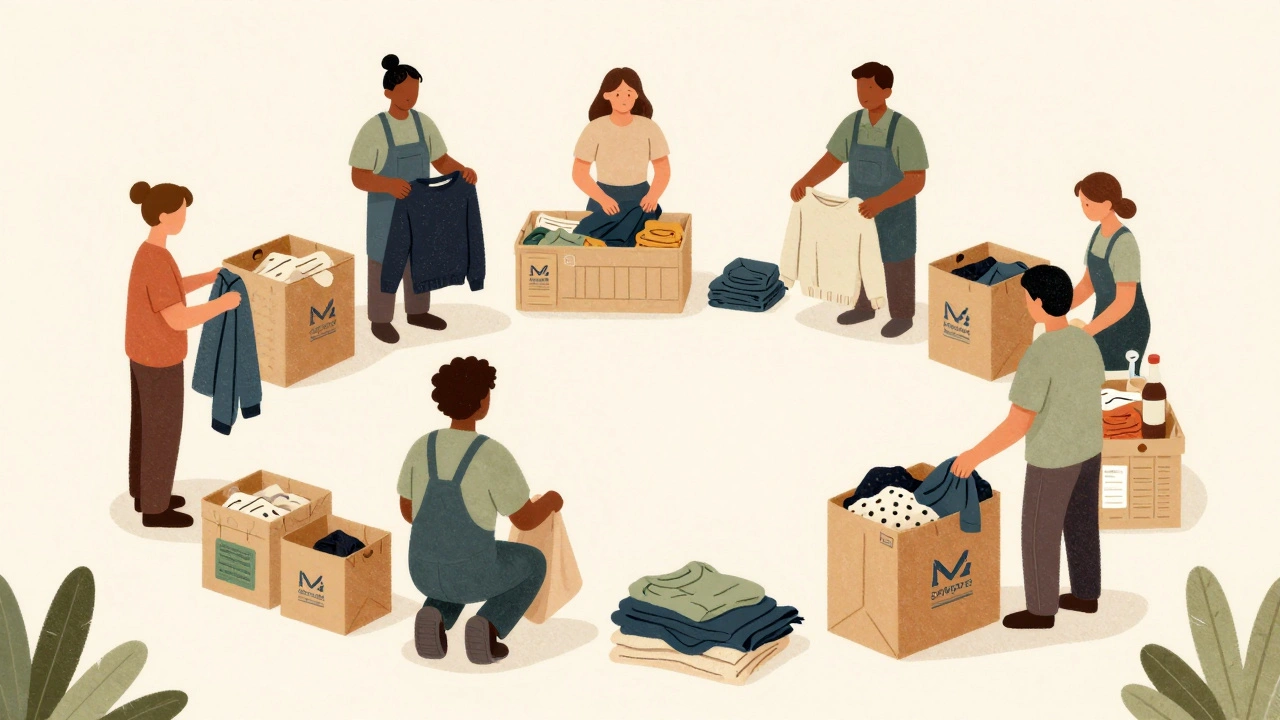
- Circular supply chains: Companies like Marks & Spencer have eliminated single-use plastics across 1,200 stores and now use 100% recycled packaging for their own-brand products. They even take back worn clothing to recycle into new fabrics.
- Energy efficiency as standard: BT Group cut its energy use by 40% since 2016 by switching to LED lighting, installing smart thermostats, and moving data centers to renewable-powered locations. That saved them £18 million a year.
- Worker well-being as performance: Unilever UK now tracks employee mental health alongside sales targets. Their internal surveys show teams with access to mental health support are 23% more productive.
- Local sourcing: Yorkshire-based bakery Loaf sources 95% of its ingredients from within 50 miles. That cuts transport emissions and strengthens community ties. Sales have grown 18% year-over-year since they made the switch.
These aren’t charity projects. They’re smart business moves. Reducing waste means lower costs. Treating employees well means lower turnover. Sourcing locally means fewer supply chain disruptions.
The Hidden Cost of Ignoring Sustainability
Some companies still think sustainability is optional. They’re wrong. In 2024, the UK government fined five major retailers over £14 million for greenwashing-making false or misleading claims about environmental impact. One retailer claimed their bags were "100% biodegradable" when they took over 10 years to break down in landfill. The public called them out. The regulator acted.
And it’s not just fines. Customers are voting with their wallets. A 2025 survey by YouGov found that 68% of UK shoppers will switch brands if they find out a company is harming the environment. For millennials and Gen Z, that number jumps to 82%. Sustainability isn’t a perk anymore. It’s a baseline expectation.
Small Businesses Don’t Need Big Budgets
You don’t need a team of sustainability officers to make a difference. Many UK small businesses are leading quietly:
- A London-based coffee shop switched to compostable cups and partnered with a local farm to turn waste into fertilizer. Their monthly waste disposal costs dropped by 60%.
- A Manchester plumbing firm started offering free energy audits to customers. They now sell 30% more high-efficiency boilers because customers trust them more.
- A Sussex-based printer stopped using virgin paper and now uses 100% recycled stock. They saved £1,200 a month on materials and won a contract with the local council.
The secret? Start small. Track your biggest waste stream. Cut one thing. Measure the impact. Then do it again. You don’t need a fancy report-you just need to be honest.

How to Start Today
If you’re running a business in the UK and want to get serious about sustainability, here’s a simple three-step plan:
- Measure what matters: Use the UK government’s free Carbon Trust calculator to find out where your emissions come from. Most businesses find over 70% come from energy use, travel, and supply chain-not their office.
- Fix one thing: Pick the biggest source. Swap to LED lighting. Switch to a green energy supplier. Stop printing invoices. Do one thing well.
- Tell your customers: People care. Post it on your website. Mention it on receipts. Share it on social media. Transparency builds trust.
There’s no magic formula. It’s not about being perfect. It’s about being consistent. The UK’s most successful sustainable businesses aren’t the ones with the most awards. They’re the ones that keep showing up.
The Bigger Picture: Sustainability Is Profitability
Some still think sustainability costs money. The data says otherwise. A 2025 study by the London School of Economics tracked 200 UK SMEs over five years. Those with strong ESG practices had:
- 22% higher profit margins
- 31% lower employee turnover
- 40% faster access to financing
Why? Because sustainability isn’t about being ethical. It’s about being efficient. When you cut waste, you save money. When you treat people well, they stay longer. When you build trust, customers pay more.
The businesses that win in the next decade won’t be the ones with the biggest ads. They’ll be the ones doing the quiet work-fixing systems, listening to employees, and serving their communities. That’s not just good for the planet. It’s good for business.
Do small businesses in the UK really benefit from sustainable practices?
Yes. Many UK small businesses report lower operating costs, stronger customer loyalty, and better access to local grants after adopting simple sustainable practices. For example, switching to energy-efficient lighting or compostable packaging can cut monthly expenses by 20-60%. Businesses that communicate their efforts also see higher sales-especially among younger customers who prioritize ethics.
Is ESG reporting mandatory for all UK businesses?
Currently, only large companies (those with over 500 employees and £500 million in turnover) are legally required to report under the UK’s Corporate Sustainability Reporting Directive (CSRD). However, banks, investors, and insurers increasingly ask smaller businesses for ESG data to qualify for loans or contracts. Even if it’s not mandatory, it’s becoming a de facto requirement to do business.
Can sustainable practices actually increase profits?
Absolutely. A 2025 LSE study found UK businesses with strong ESG practices had 22% higher profit margins on average. Cutting energy use, reducing waste, and improving employee retention directly lower costs. Plus, customers are willing to pay more for brands they trust. Sustainability isn’t a cost center-it’s a competitive advantage.
What’s the biggest mistake UK businesses make when going sustainable?
Trying to do everything at once. Many businesses launch elaborate sustainability reports without fixing their biggest problem-like energy waste or excessive packaging. Start with one area where you’re losing the most money or causing the most harm. Measure it, fix it, then move to the next. Progress beats perfection.
Are there government grants or support programs for sustainable UK businesses?
Yes. The UK government offers grants through the Green Business Fund and regional Clean Growth programmes. Small businesses can apply for up to £10,000 to cover energy audits, solar panel installation, or waste reduction systems. Local councils also offer tax breaks for businesses that reduce emissions or use local suppliers. Check your local authority’s website-it’s often easier than you think.