
 by
by UK Alcohol Licensing Guide: Getting Your Personal Licence and Managing Premises Rules
18 Apr, 2026Key Takeaways for Business Owners
- A Premises Licence allows a specific building to sell alcohol.
- A Personal Licence allows an individual to authorize the sale of alcohol.
- Every premises must have a Designated Premises Supervisor (DPS).
- Operating outside your licensed hours or conditions can lead to immediate revocation.
The Two-Pillar System: Personal vs. Premises
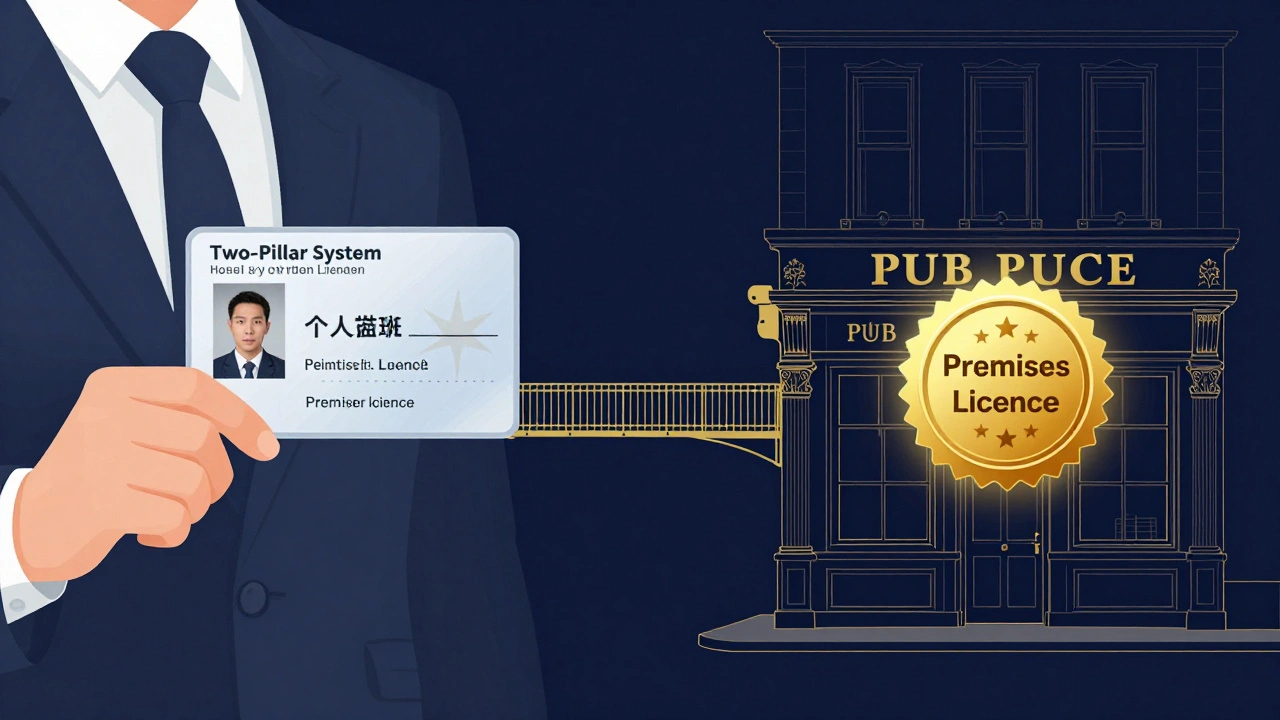
To sell alcohol in England and Wales, you can't just have one permit. You need two distinct types of authorization working together. Think of it as a driver's license versus a vehicle registration. You can have a car (the premises), but it won't go anywhere without a licensed driver (the personal licence holder).
Personal Licence is an individual qualification that allows a person to sell alcohol or authorize its sale. It is tied to the human, not the building. If you move to a different pub, your personal licence goes with you.
Premises Licence is a legal permit granted to a specific location, allowing the sale of alcohol and the provision of regulated entertainment. This is tied to the bricks and mortar. If you sell the business, the licence usually transfers, but the rules attached to that specific building remain.
Why the split? The government wants to ensure that someone with actual training is responsible for the alcohol. It prevents a business owner who knows nothing about the law from simply 'buying' the right to sell booze without understanding the risks of underage drinking or public disorder.
How to Secure Your Personal Licence
You can't just apply for a personal licence; you have to prove you know what you're doing. The most common route is completing an accredited training course. Most providers offer a one-day session followed by an exam. This isn't a casual quiz; you need to understand the specifics of the Licensing Act 2003, including the four licensing objectives.
Once you pass the exam, you apply to your local council. You'll need to provide a basic disclosure check (DBS) to prove you aren't a risk to the community. If you've had a serious criminal record, the council might reject your application. Once granted, the licence is usually valid for life, though you must keep your details updated with the authority.
Pro tip: Don't wait until the week you open to do this. The DBS check and council processing can take several weeks. If you are the only manager, you are the bottleneck for your own business launch.
Setting Up the Premises Licence
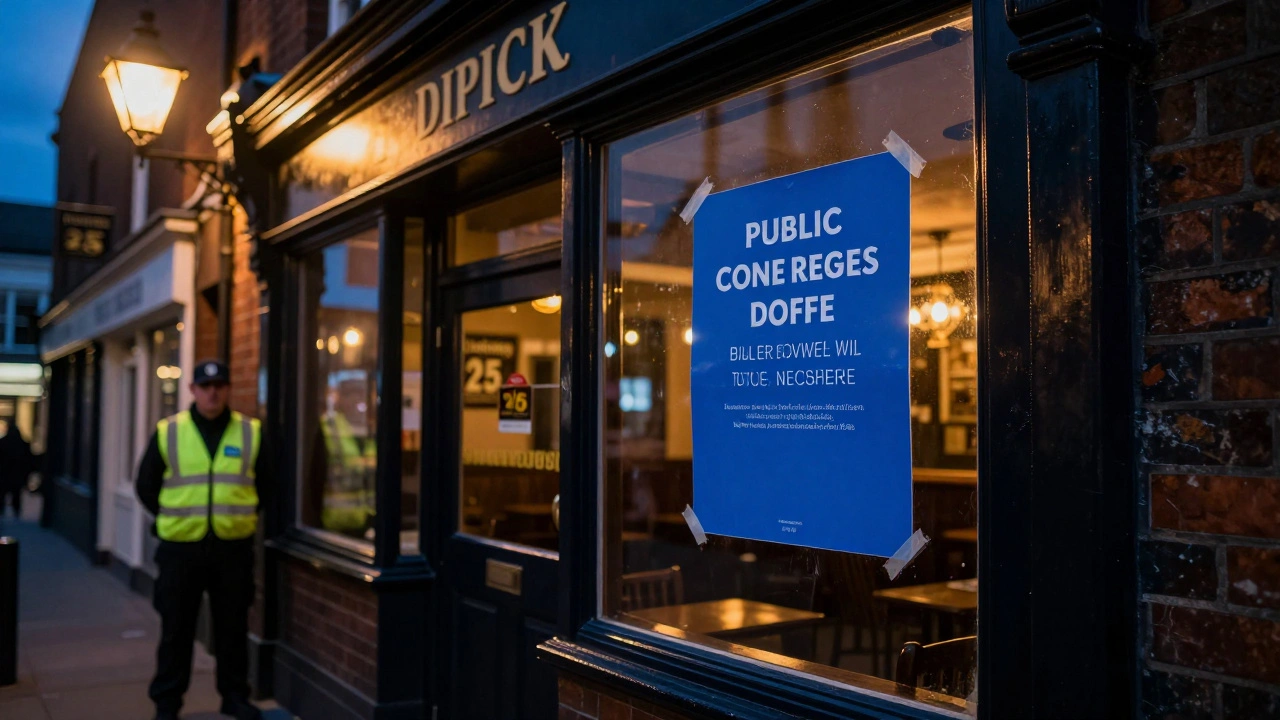
Applying for a premises licence is a more public process. You submit an application to your local authority, and then you must display a blue notice on your window for 28 days. This is the "objection period." Anyone from the general public to the local police can object to your application if they think your business will cause noise, crime, or disorder.
Your application must define your "Operating Schedule." This is where you tell the council exactly how you'll run the place. For example, if you plan to serve alcohol until 2 AM, you need to explain how you'll prevent people from shouting in the street while they wait for taxis. If you are vague here, the police will likely demand "conditions"-specific rules you must follow to keep your licence.
| Attribute | Personal Licence | Premises Licence |
|---|---|---|
| Tied To | The Individual | The Physical Location |
| Requirement | Accredited Training + Exam | Local Authority Application |
| Public Notice | Not Required | Required (28-day window) |
| Transferability | Stays with the person | Transfers with property sale |
The Role of the Designated Premises Supervisor (DPS)
Every premises licence must have a Designated Premises Supervisor (or DPS). The DPS is the person named on the premises licence who is responsible for the day-to-day running of the business.
Crucially, the DPS must hold a valid personal licence. While you can have ten different staff members with personal licences working in a bar, only one person is the official DPS. If the DPS leaves the company, you have a very short window to appoint a new one. If you don't, you are technically operating illegally, and the police can shut you down on the spot.
Imagine a scenario where your manager, who is the DPS, quits abruptly on a Friday morning. You cannot legally sell alcohol on Saturday if you haven't notified the council of a replacement. This is why smart business owners ensure at least two or three senior staff members have their own personal licences-it creates a safety net.
Navigating the Four Licensing Objectives
Everything in UK licensing revolves around four goals. If you can prove your business supports these, you'll get your licence. If you fail one, you're in trouble.
- Prevention of Crime and Disorder: This involves everything from CCTV and security guards to how you handle intoxicated patrons.
- Public Safety: This is about the building itself-fire exits, overcrowding, and ensuring the glassware doesn't shatter in a crowd.
- Prevention of Public Nuisance: Think about the neighbors. Are you playing loud music at 3 AM? Are customers smoking and shouting in the alleyway?
- Protection of Children from Harm: This is the big one. It means strict "Challenge 25" policies and ensuring you aren't selling to minors.
When the council reviews your application, they aren't looking at your business plan or your profit margins. They only care about these four things. If you tell them you'll have "adequate security," that's too vague. If you tell them you'll have "two SIA-licensed guards at the door from 10 PM to 2 AM," that's a concrete plan they can approve.
Common Pitfalls and Compliance Risks
The most common way businesses lose their licence isn't through one big crime, but through "death by a thousand cuts." Small failures that add up over time.
For instance, failing to update the "Summary of Licence" on the wall is a common mistake. By law, a condensed version of your licence must be clearly displayed where staff and the public can see it. If an inspector walks in and doesn't see it, you can be fined.
Another huge risk is "selling outside of hours." If your licence says you close at 11 PM, but you let a group of regulars stay until 11:15 PM, you are in breach. In a "Review Hearing," the council can use this as evidence that you are an irresponsible operator and can permanently revoke your right to sell alcohol.
Updating and Varying Your Licence
Business evolves. Maybe you want to change your closing time from 11 PM to midnight, or you want to start selling alcohol from a new outdoor terrace. You cannot just start doing this; you must apply for a "Variation Order."
A variation is essentially a mini-application. You tell the council what you want to change, and again, there is a period where the police and neighbors can object. If you change the layout of your building-like knocking down a wall to expand the bar area-you may need to update your floor plan on the licence to avoid "unauthorised structural changes."
Can I sell alcohol without a Personal Licence?
You cannot be the DPS without one, and you cannot authorize the sale of alcohol without one. However, you can employ staff who don't have personal licences to sell alcohol, provided they are working under the authorization of a valid Personal Licence holder (like the DPS). But remember, the DPS remains legally responsible for any mistakes the staff make.
What happens if my DPS leaves the business?
You must notify the local licensing authority immediately. You generally have a short period to name a new DPS who holds a valid personal licence. If you continue to sell alcohol without a named DPS, you are operating in breach of the law, which can lead to fines or the suspension of your premises licence.
How long does a Personal Licence last?
Once granted, a Personal Licence does not expire. You do not need to renew it every few years. However, you must notify the licensing authority if your address changes or if you are convicted of a criminal offense that would make you unfit to hold the licence.
What is 'Challenge 25'?
Challenge 25 is a widely adopted industry standard where staff ask for ID from anyone who looks under 25. While not a statutory law in itself, following this practice is the best way to prove to licensing authorities that you are meeting the "Protection of Children from Harm" objective.
Can the police shut down my business instantly?
Yes, through a "Summary Review." If the police believe there is a serious risk of crime or disorder (such as a violent brawl or organized crime), they can apply for an immediate suspension of your licence. This can happen within hours, effectively freezing your ability to sell alcohol until a full hearing takes place.
Next Steps for Compliance
If you're currently applying, start with the training. Get your personal licence first; it's the foundation. Once you have that, map out your premises' operational hours and write a detailed operating schedule that focuses on the four licensing objectives. Don't use generic phrases like "we will be reasonable." Use specifics: "We will employ one door steward and use a digital age-verification system at the point of sale." This level of detail stops objections before they even start.