
 by
by UK Export Controls and Sanctions: A Practical Guide to OFSI Compliance
12 Oct, 2026Imagine this: You ship a batch of dual-use electronics from Manchester to a distributor in Istanbul. The paperwork looks clean. The payment clears. But three months later, the goods show up in Moscow. Your bank freezes your account. Your next shipment gets held at customs for weeks. Why? Because you missed a subtle update in the OFSI Office of Financial Sanctions Implementation guidance that tightened rules on indirect exports just last quarter.
It’s not just about big banks or defense contractors anymore. If you’re selling software, luxury goods, machinery, or even raw materials out of the UK, you’re in the crosshairs. Post-Brexit, the UK runs its own sanctions regime, separate from the EU. That means relying on old European lists is a fast track to fines. This guide cuts through the legal jargon. We’ll look at what OFSI actually checks, how to spot red flags before they become penalties, and why "I didn't know" rarely works as a defense in 2026.
The Shift from EU to UK Independence
Before Brexit, most UK businesses leaned on EU regulations. It was convenient. One set of rules covered the whole bloc. Now, the UK has its own legislative backbone: the Sanctions and Anti-Money Laundering Act 2018 (SAMLA). This act gives the government power to create specific regimes without waiting for Brussels.
Here is the practical impact: You might be compliant with EU rules but non-compliant with UK rules. Or vice versa. The Foreign, Commonwealth & Development Office (FCDO) manages policy, while OFSI, part of HM Treasury, handles financial sanctions. Meanwhile, the Export Control Joint Unit (ECJU) under the Department for Business and Trade handles physical goods licenses. Confusing? Yes. Critical? Absolutely.
Think of it like driving in different countries. Even if you have a valid license, traffic laws change across borders. In the UK context, "borders" are now distinct regulatory zones. If you export to a country under UK sanctions but not EU sanctions, you need a UK-specific license. Ignoring this distinction is the number one cause of minor breaches we see in small-to-medium enterprises.
Who Is OFSI and What Do They Actually Do?
OFSI is the administrative body responsible for implementing financial sanctions in the UK. They don’t make the political decisions-that’s the FCDO-but they enforce them. Their job is to freeze assets, block transactions, and issue licenses when exceptions apply.
Many business owners mistake OFSI for the police. It’s more like a strict auditor with teeth. They review transaction data, investigate suspicious patterns, and impose civil monetary penalties. Since 2022, their enforcement powers have grown significantly. They can fine companies up to £1 million or 50% of the breach value, whichever is higher. For smaller firms, that’s existential.
OFSI publishes regular updates, but they aren’t always loud. They drop new designations on their website. If you aren’t checking the Consolidated List weekly, you’re flying blind. And no, your bank won’t always catch it for you. Banks filter payments, but they don’t know your supply chain nuances. If your customer’s subsidiary is sanctioned, but the parent company isn’t listed, the bank might let the payment through. OFSI will still penalize you for failing to conduct adequate due diligence.
Dual-Use Goods and the ECJU License Maze
Financial sanctions are half the battle. Physical export controls are the other half. This is where the Export Control Joint Unit (ECJU) comes in. They manage the Open General Export Licenses (OGELs) and Standard Individual Export Licenses (SIELs).
Dual-use goods are items that have both civilian and military applications. Think high-end laptops, certain chemicals, navigation systems, or specialized bearings. You don’t need a license to send these to friendly nations like the US or Canada. But send them to a third country that could re-export them to a restricted zone? You need a license.
Here is a common pitfall: The "End User Certificate." Many exporters think getting a signed piece of paper from their buyer is enough. It’s not. OFSI and ECJU expect you to verify the end user. Did you check if that buyer is owned by a state-owned enterprise in a sanctioned country? Did you confirm the goods won’t be transshipped? If you rely solely on the invoice, you’re exposed.
| Feature | OFSI (Financial Sanctions) | ECJU (Export Controls) |
|---|---|---|
| Primary Focus | Money, assets, payments | Physical goods, technology, services |
| Governing Body | HM Treasury | Dept for Business and Trade |
| Main Tool | Consolidated List of Designations | Strategic Export Control Lists |
| Licenses | General & Specific Licenses | OGELs & SIELs |
| Penalty Type | Civil Monetary Penalties | Fines, imprisonment, license revocation |
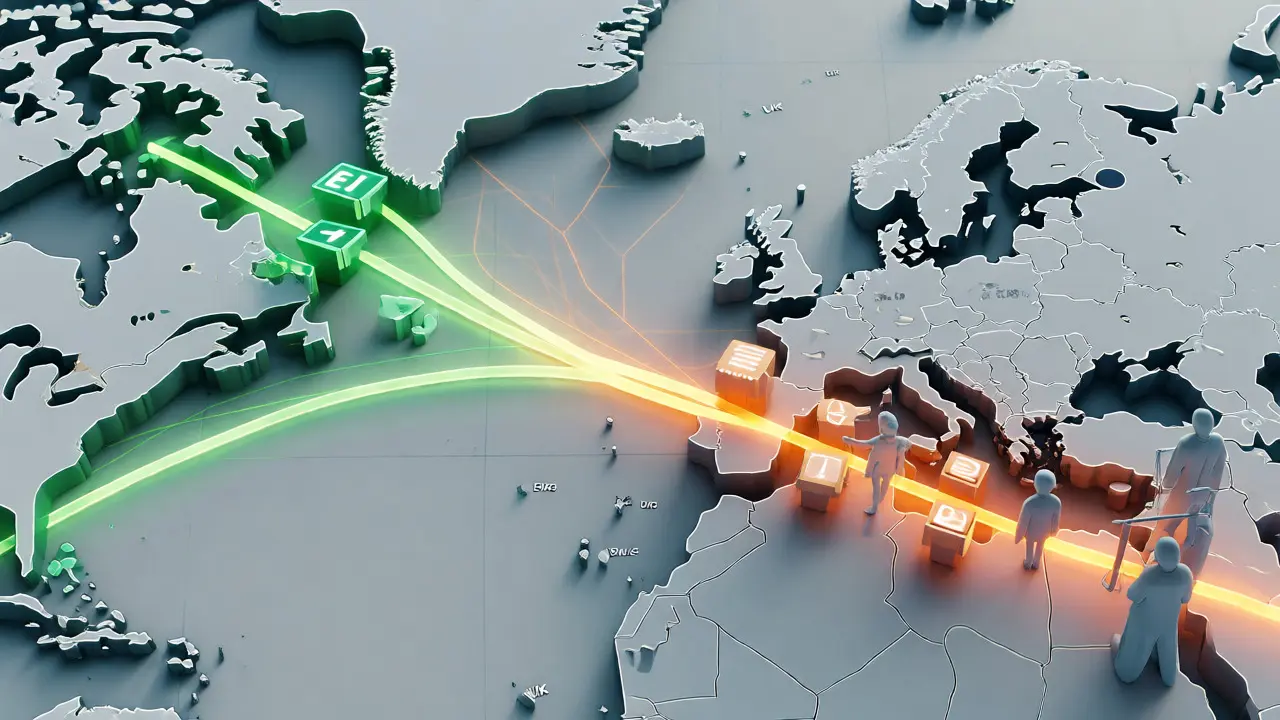
Due Diligence: How to Spot a Red Flag
You don’t need a private investigator to stay compliant. You need a structured process. OFSI expects "proportionate" due diligence. That means the level of scrutiny should match the risk. Selling socks to France? Low risk. Selling drone components to a startup in Dubai? High risk.
Start with screening. Use a reliable database that syncs with the OFSI Consolidated List. Free tools exist, but they often lag. Paid services update in real-time. When you screen, don’t just check the name. Check aliases, spellings, and ownership structures. A sanctioned individual might use a shell company called "Global Tech Holdings Ltd." Screening the name alone misses the link to the actual owner.
Next, look at geography. Are you shipping to a border region near a sanctioned country? For example, shipping to Turkey or Kazakhstan requires extra caution because these are known transit hubs. Ask yourself: Does the quantity make sense for the customer’s size? If a local repair shop orders $500,000 worth of microchips, that’s a red flag. Maybe they’re acting as a middleman for someone else.
Finally, watch the payment method. Cash-on-delivery or payments from unrelated third parties are suspicious. If your customer in Singapore pays via a wire transfer from a bank in Russia, ask why. OFSI views unusual payment routes as indicators of evasion attempts.
Common Breaches and How to Avoid Them
Most breaches aren’t intentional smuggling. They’re clerical errors or ignorance. Here are the top three scenarios we see:
- The Re-export Trap: You sell goods to a distributor in Germany. They resell them to a client in Iran. You didn’t include a contractual clause prohibiting re-export to sanctioned destinations. Now, you’re liable because you failed to control the flow.
- The Stale List: You screened your customer in January. They were clear. By June, they were designated. You shipped in May based on old data. While you might argue good faith, OFSI expects ongoing monitoring for high-risk relationships.
- The Service Gap: You provide IT support to a firm in a neutral country. Unbeknownst to you, that firm is owned by a sanctioned entity. Providing technical assistance counts as making funds or economic resources available to a designated person. You breached sanctions by offering free labor or expertise.
To avoid these, embed compliance into your sales workflow. Don’t let the sales team close deals without a compliance check. Make the credit manager a gatekeeper. If the compliance box isn’t ticked, the order doesn’t ship. Simple, right? Yet, many companies fail here because sales incentives push for speed over safety.
Building a Compliance Framework That Works
You don’t need a massive legal department. You need a clear policy. Start by mapping your products against the Strategic Export Control Lists. Identify which items are controlled. Then, map your customers by risk tier.
- Tier 1 (Low Risk): Established partners in low-risk jurisdictions. Annual screening is usually sufficient.
- Tier 2 (Medium Risk): New customers or those in borderline regions. Screen before every major order.
- Tier 3 (High Risk): Customers in complex supply chains or near conflict zones. Conduct enhanced due diligence, including site visits or video calls to verify operations.
Document everything. If OFSI asks, you need to prove you did your homework. Keep records of who screened the customer, when, and what result came back. Save emails discussing end-user certificates. If you deny an order because of sanctions, write down the reason. This paper trail is your best defense against penalties.
Also, train your staff. Not just the compliance officer. Train the warehouse team on labeling. Train the finance team on payment alerts. A culture of awareness catches issues early. When everyone knows what a sanctioned entity looks like, problems get flagged before they leave the dock.
The Cost of Non-Compliance vs. The Cost of Compliance
Let’s talk numbers. Implementing a robust screening tool costs maybe £200-£500 a month for a small business. Hiring a part-time compliance consultant might cost £2,000 a month. Total annual overhead? Around £30,000.
Now, compare that to a breach. A single civil penalty can hit £100,000. Add legal fees-often exceeding £50,000-and lost revenue from frozen accounts. Plus, reputational damage. Banks may de-risk you, closing your accounts entirely. Finding a new bank that accepts high-risk industries takes months. During that time, you can’t trade effectively.
Is it worth the risk? Most CEOs say yes until it happens to them. Then they wish they’d invested earlier. Compliance isn’t a cost center; it’s insurance. It protects your ability to do business globally.
Frequently Asked Questions
Do I need a license to export to all countries?
No. Most exports to countries like the US, EU members, Japan, and Australia do not require a license for standard goods. However, you still need to ensure the end-user isn't sanctioned. Always check the specific commodity code against the Strategic Export Control Lists.
What is the difference between OFSI and HMRC?
OFSI (Office of Financial Sanctions Implementation) focuses on financial sanctions, such as freezing assets and blocking payments. HMRC (Her Majesty's Revenue and Customs) handles customs duties, VAT, and the physical movement of goods across borders. They work together but have different mandates.
Can I rely on my freight forwarder to handle sanctions checks?
You can delegate tasks, but you cannot delegate liability. The exporter remains responsible for ensuring compliance. Freight forwarders may perform basic screenings, but they often lack visibility into the ultimate end-user. You must verify their work and maintain your own records.
How often does the OFSI list update?
The Consolidated List is updated frequently, sometimes daily. There is no fixed schedule. Businesses dealing with high-risk sectors should check the list weekly or use automated software that alerts them to changes in real-time.
What happens if I accidentally export to a sanctioned entity?
You must report the breach to OFSI voluntarily. Self-disclosure can mitigate penalties. OFSI considers factors like whether you had a compliance program in place, how quickly you reported, and whether the breach was isolated. Failing to report can lead to harsher fines.