 by
by UK Fashion Industry Guide: Sourcing, Ethics, and Retail Strategy
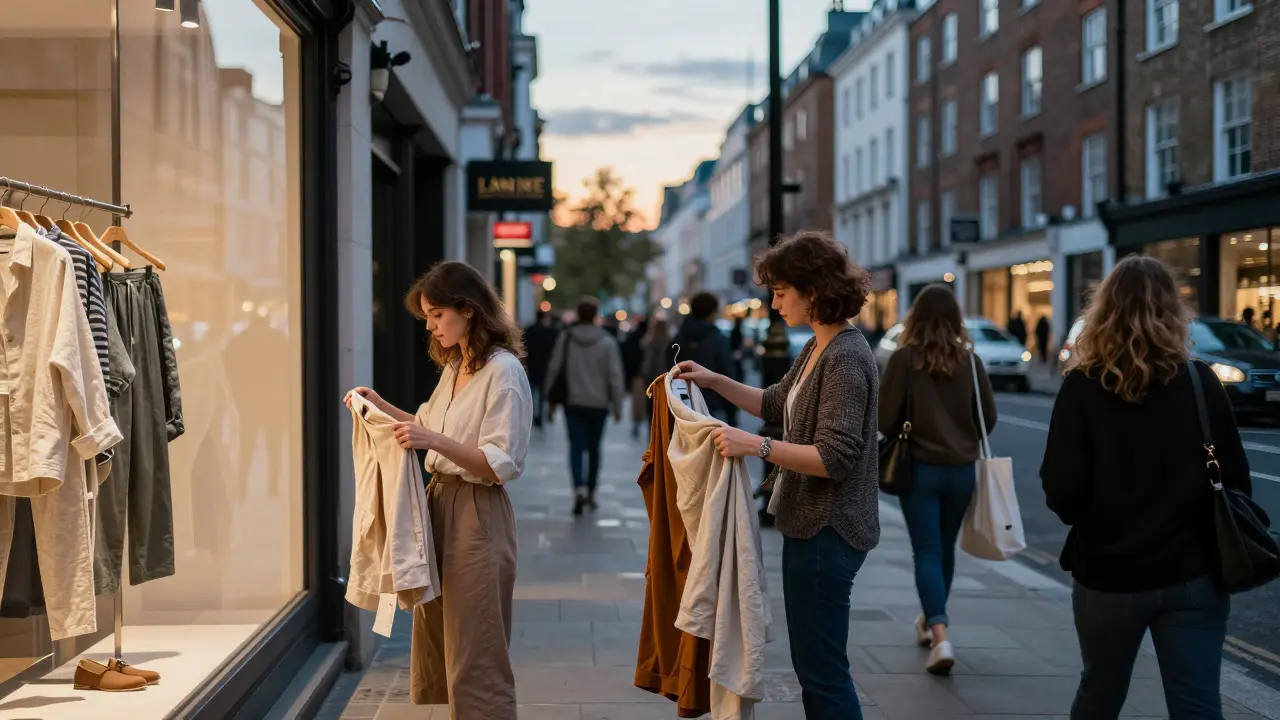
17 Aug, 2026Walking through a high street in London or Manchester today, you can see the shift happening in real time. Shoppers are no longer just looking for the latest trend; they are asking where the fabric came from and who stitched it. For UK brands, this has turned sourcing from a back-office task into a core marketing asset. The gap between a brand that understands its supply chain and one that doesn't is widening fast, often determining whether a label survives the next economic downturn or thrives.
The UK fashion sector operates under a unique set of pressures. You have a highly competitive domestic market, strict regulatory expectations, and a consumer base that is increasingly vocal about sustainability. This guide breaks down how to navigate these three pillars-sourcing, ethics, and retail-to build a resilient business model.
Key Takeaways
- Sourcing in the UK requires balancing cost efficiency with proximity to reduce lead times and carbon footprints.
- Ethical standards are now a legal and reputational necessity, not just a marketing bonus.
- Retail strategy must integrate physical experience with digital convenience to meet modern consumer expectations.
- Transparency is the most effective tool for building trust with UK consumers.
Understanding the UK Sourcing Landscape
Sourcing is the backbone of any fashion brand. In the UK, you generally have three main options: manufacturing locally, sourcing from Europe, or importing from Asia. Each comes with distinct trade-offs that affect your bottom line and brand story.
Nearshoring is the practice of sourcing goods from countries geographically close to the target market, such as Portugal, Turkey, or Eastern Europe. This approach has gained significant traction among UK brands. Why? Because it cuts shipping times from weeks to days. If you sell seasonal collections, speed is everything. A delay in shipping can mean missing the peak sales window entirely. Nearshoring also allows for smaller minimum order quantities (MOQs), which is crucial for testing new designs without risking massive inventory write-offs.
On the other hand, Offshoring to regions like Bangladesh or Vietnam offers lower unit costs. However, the risks are higher. You face longer lead times, higher freight costs, and greater complexity in quality control. Many UK brands use a hybrid model: basic staples are produced offshore for cost savings, while hero products or limited editions are made closer to home for speed and quality assurance.
| Strategy | Average Lead Time | Unit Cost | Quality Control Risk | Best For |
|---|---|---|---|---|
| Local (UK) | 2-4 weeks | High | Low | Luxury, Small Batches, Urgent Restocks |
| Nearshore (EU/Turkey) | 4-8 weeks | Medium | Medium | Main Collections, Trend-led Items |
| Offshore (Asia) | 10-16 weeks | Low | High | Basics, High Volume, Core Range |
When choosing suppliers, look beyond price. Ask about their capacity for flexibility. Can they handle a rush order if a style sells out? Do they have the technical capability to work with complex fabrics? A supplier who can say yes to these questions is worth paying a premium for.
Setting Ethical Standards That Matter
Ethics in fashion used to be a niche concern. Today, it’s a boardroom topic. UK consumers are savvy. They know that “eco-friendly” labels can be vague. To stand out, you need concrete, verifiable standards.
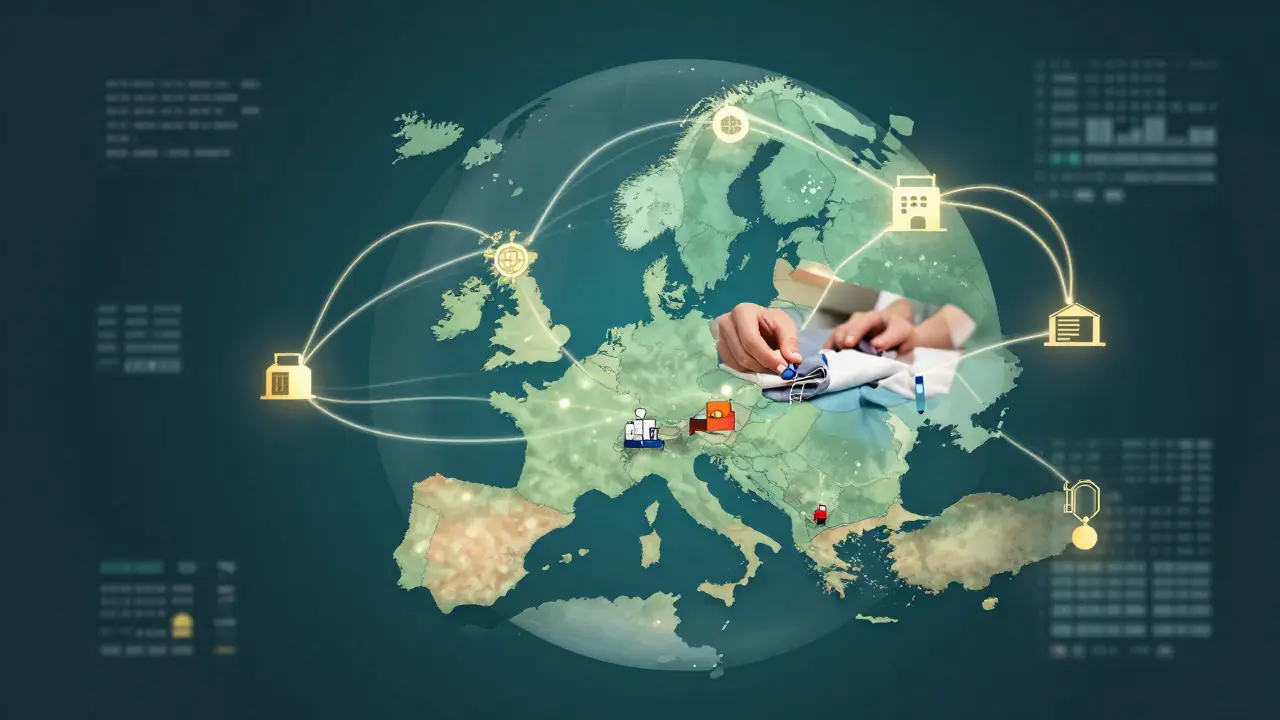
The first step is supply chain visibility. You need to know not just who makes your clothes, but who supplies the fabric, and who dyes it. This is where Supply Chain Mapping becomes essential. It involves tracing every component of a product back to its origin. Without this map, you’re flying blind. One bad actor deep in the chain can damage your reputation instantly.
Next, consider certifications. While there are many, a few carry more weight in the UK market:
- GOTS (Global Organic Textile Standard): Validates organic fibers and ensures social and environmental criteria are met throughout processing.
- Fairtrade Certified: Ensures farmers and workers receive fair wages and work in safe conditions.
- B Corp Certification: Assesses overall social and environmental performance of the company, not just the product.
But don’t rely on badges alone. Consumers want to see action. Publish your factory list. Share photos of your production floor. Explain why you chose a specific fabric. Transparency builds trust faster than any marketing campaign. If you make a mistake, admit it publicly and explain how you fixed it. This honesty resonates deeply with the modern UK shopper.
Retail Strategy: Bridging Online and Offline
How you sell your products is just as important as what you sell. The UK retail landscape is fragmented. You have major department stores, independent boutiques, and a booming e-commerce sector. Your strategy needs to reflect this diversity.
For many brands, the physical store is no longer just a point of sale; it’s an experience center. Customers want to touch the fabric, try on the fit, and feel the quality before buying online. Use your brick-and-mortar presence to educate customers about your ethical sourcing. Train your staff to tell the story behind each garment. When a customer knows the journey of their shirt, they are less likely to return it and more likely to recommend it to friends.
Online, focus on conversion optimization. UK shoppers expect seamless navigation, fast loading speeds, and clear size guides. Consider using virtual fitting rooms or AI-driven size recommendations to reduce return rates. Returns are a huge cost driver in fashion. Every percentage point you save on returns goes straight to your profit margin.
Don’t ignore wholesale. Placing your brand in respected UK retailers can boost credibility. However, negotiate terms carefully. Ensure you retain some control over pricing and presentation. A disorganized display in a high-street shop can hurt your brand image more than help it.
Building Resilience in a Volatile Market
The UK fashion industry faces constant headwinds. Currency fluctuations, energy costs, and shifting consumer preferences can disrupt operations overnight. To stay resilient, diversify your risk.
Don’t put all your eggs in one basket. If you rely on a single supplier for 80% of your stock, you’re vulnerable. Aim for at least two suppliers per key category. If one falls through, you have a backup. Similarly, diversify your sales channels. If e-commerce drops due to algorithm changes, your wholesale partners can keep cash flowing.
Keep an eye on regulations. The UK government is tightening rules on textile waste and carbon reporting. Staying ahead of these changes means you won’t be scrambling to comply later. Join industry bodies like the British Fashion Council or the Sustainable Apparel Coalition to stay informed and network with peers facing similar challenges.

Practical Steps for Implementation
Knowing the theory is one thing; executing it is another. Here is a simple roadmap to get started:
- Audit your current supply chain. Map out every supplier and sub-supplier. Identify gaps in visibility.
- Set clear ethical KPIs. Define what success looks like. Is it reducing carbon emissions by 20%? Or ensuring 100% living wages? Pick metrics you can track.
- Pilot nearshoring. Start with a small collection sourced from Europe. Compare costs and lead times against your current offshore setup.
- Train your team. Educate your sales and marketing teams on your ethical story. They are your ambassadors.
- Review quarterly. Supply chains change. Consumer tastes evolve. Make reviewing your strategy a regular habit, not a once-a-year event.
Success in UK fashion isn’t about doing everything perfectly. It’s about being consistent, transparent, and adaptable. By aligning your sourcing, ethics, and retail strategies, you create a brand that people trust. And in a crowded market, trust is the ultimate currency.
Frequently Asked Questions
Is local manufacturing in the UK too expensive for mid-range brands?
It can be, but not always. Local manufacturing is ideal for high-margin items or limited runs. For mid-range brands, a hybrid model works best: produce basics offshore for cost savings and use local factories for trendy, high-turnover items where speed is critical. This balances cost with agility.
What are the biggest risks in offshoring fashion production?
The main risks are long lead times, quality inconsistencies, and lack of transparency. Shipping delays can cause missed sales windows, and poor communication can lead to defects. Mitigate these by building strong relationships with suppliers, conducting regular audits, and maintaining buffer stock for key items.
How do I verify if a supplier is truly ethical?
Look for third-party certifications like Fairtrade or SA8000. Visit the factory if possible, or request video tours. Check their insurance records and worker testimonials. Also, ask for proof of wage payments. A truly ethical supplier will welcome scrutiny and provide documentation readily.
Should small UK brands invest in physical retail spaces?
Only if it fits your brand identity. Physical stores are costly but offer high-touch experiences and immediate feedback. If your brand relies heavily on community and storytelling, a flagship store can be powerful. Otherwise, pop-up shops or partnerships with existing boutiques may offer better ROI with lower risk.
How does the UK’s post-Brexit status affect fashion sourcing?
Brexit introduced customs checks and potential tariffs when importing from the EU. This has made nearshoring from non-EU countries like Turkey or North Africa more attractive for some brands. However, it also increased administrative burdens. Brands need to factor in extra time for customs clearance and potentially higher costs for compliance.