 by
by UK Fitness Studio & Gym Guide: Health, Safety Rules & Membership Types
17 Aug, 2026Walking into a new fitness studio or a large commercial gym in the UK can feel like stepping into a different world. You have equipment you don't know how to use, contracts that seem endless, and questions about whether the place is actually safe. If you are looking for clarity on how these businesses operate, what they owe you legally, and how to pick the right deal, this guide breaks it down without the jargon.
The UK fitness sector is massive, with over 8,000 commercial sites ranging from high-street gyms to boutique pilates rooms. But behind the mirrors and treadmills lies a strict regulatory framework. Understanding this helps you avoid pitfalls and get the most value out of your money.
Understanding the Difference Between Gyms and Studios
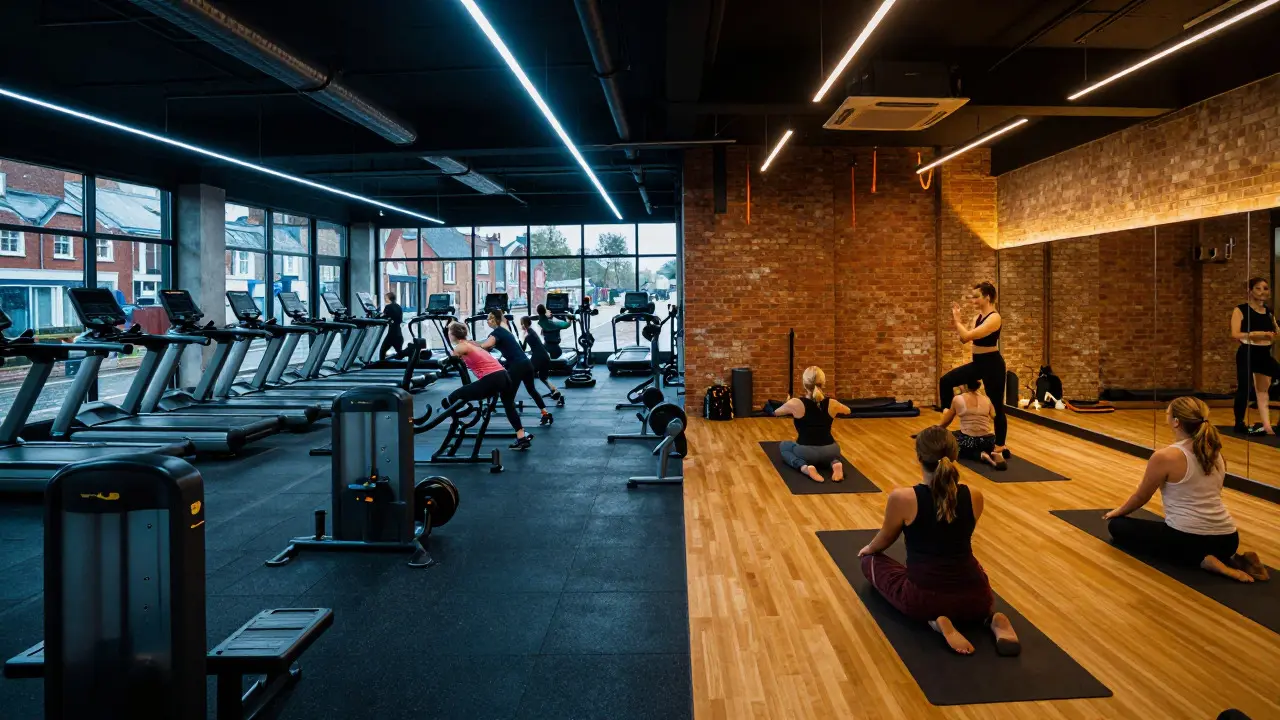
People often use the terms interchangeably, but there is a distinct difference in scale and service model. A traditional gym is typically a large facility offering a wide variety of cardio machines, free weights, and group classes. Think of brands like PureGym or David Lloyd. These places rely on volume; they need thousands of members to keep costs low per head.
A fitness studio, on the other hand, is usually smaller and more specialized. It might focus exclusively on yoga, CrossFit, or spin cycling. The atmosphere is often more intimate, and the staff-to-member ratio is higher. This means you might get more personalized attention, but it also comes at a premium price point. When choosing between the two, ask yourself: do I want access to everything under one roof, or do I prefer a focused community around a specific discipline?
Health and Safety Standards in Commercial Fitness
Safety is not just a suggestion in the UK; it is a legal requirement. All commercial fitness venues must comply with the Health and Safety at Work etc. Act 1974. This legislation places a duty on employers to ensure, so far as is reasonably practicable, the health, safety, and welfare of all employees and visitors.
In practice, this means several things you should look for when visiting a potential gym:
- Risk Assessments: Every venue must conduct regular risk assessments. For example, if they offer heavy lifting areas, they need to assess the risk of dropped weights and ensure mats are appropriate.
- Fire Safety: Clear escape routes, working fire alarms, and emergency lighting are mandatory. Check if the exits are blocked by storage or equipment.
- Equipment Maintenance: Machines should be inspected regularly. Look for signs of wear and tear, such as frayed cables or rusted parts.
- First Aid Provisions: There must be an accessible first aid kit and at least one person trained in first aid on site during opening hours.
If you ever witness a hazard, you have the right to report it to the manager. Most serious accidents in gyms involve slips on wet floors or incorrect equipment use. While some blame user error, many stem from poor housekeeping or lack of supervision. A good gym will have clear signage and periodic checks to mitigate these risks.
Navigating Membership Contracts and Pricing Models
This is where most people get tripped up. The UK fitness market has shifted heavily toward direct-to-consumer (DTC) models, especially after the rise of budget chains. However, traditional clubs still dominate the premium end.
There are three main types of memberships you will encounter:
- Fixed-Term Contracts: Usually 12 months. You pay monthly, but if you cancel early, you may have to pay off the remainder of the contract. This gives the gym revenue stability.
- Rolling Monthly Contracts: You pay month-to-month and can cancel anytime, usually with 30 days' notice. This offers flexibility but often comes with a higher monthly fee than fixed-term deals.
- Prepaid Annual Plans: You pay for the whole year upfront. This is the cheapest option per month but carries the highest risk if the business closes or you stop attending.
Always read the small print regarding "cooling-off periods." Under the Consumer Rights Act 2015, if you sign a contract away from the business premises (like online), you generally have a 14-day cooling-off period. If you sign in-store, this right does not automatically apply unless the contract specifies it. Clarify this before signing anything.
| Feature | Budget Chain (e.g., PureGym) | Premium Club (e.g., David Lloyd) | Boutique Studio (e.g., Yoga/CrossFit) |
|---|---|---|---|
| Typical Monthly Cost | £15 - £25 | £60 - £150+ | £100 - £200+ (often package based) |
| Contract Type | Fixed 12-month common | Flexible or Fixed | Class packs or Monthly |
| Personal Training | Extra cost | Included or discounted | Often included in packages |
| Cancellation Notice | 30 days (if rolling) | Varies by contract | Varies by package |

The Role of Staff Qualifications and Supervision
Not every person working in a gym needs to be a certified personal trainer, but certain roles require specific qualifications. For instance, anyone running group exercise classes should ideally hold a recognized qualification from bodies like REPS (Register of Exercise Professionals) or equivalent national standards.
For personal trainers, look for certifications from reputable organizations such as NASM, ACE, or UK-specific bodies like Level 3 Personal Trainer qualifications. These ensure the trainer understands anatomy, physiology, and injury prevention.
Supervision levels vary. In a budget gym, you might only have floor staff who help with machine setup. In a premium club, you might have dedicated instructors for each zone. If you are new to the gym, prioritize places with a strong induction program. A good induction covers:
- How to use major equipment safely.
- Where to find towels and water stations.
- Etiquette rules (wiping down machines, putting weights back).
- Emergency procedures.
Hidden Costs and Additional Fees
The headline price is rarely the full story. Be aware of these common additional charges:
- Joining Fees: Some gyms charge a one-off fee to join. Others waive this if you prepay annually.
- Annual Administration Fees: A yearly charge for maintaining your account. This can range from £25 to £50.
- Towel Hire: Many modern gyms no longer provide free towels. You might need to buy a set or rent them daily.
- Freezer Space: If you want to store food in a locker fridge, expect to pay extra.
- Guest Passes: Bringing a friend might cost £5 to £10 per visit.
Before signing, ask for a breakdown of the total annual cost, including all potential extras. Compare this against the base price to see which option is truly cheaper for your usage pattern.

Consumer Rights and Dispute Resolution
What happens if the gym closes? Or if the quality drops significantly? Under the Consumer Rights Act 2015, services must be provided with reasonable care and skill, and must match their description. If a gym promises 24/7 access but is closed for maintenance half the time, you may have grounds for a complaint.
If you cannot resolve an issue directly with the gym, you can escalate to an Alternative Dispute Resolution (ADR) scheme. Most large fitness chains belong to ADR schemes like CISAS or ODR. You can check if a gym is part of a scheme by asking them or checking their website terms. This provides a free way to settle disputes without going to court.
Choosing the Right Fit for Your Lifestyle
Ultimately, the best gym is the one you will actually use. Consider these factors:
- Location: Is it on your commute? If it takes 45 minutes to get there, you are less likely to go consistently.
- Opening Hours: Do they fit your schedule? Early bird or late night access?
- Community: Do you prefer a quiet environment or a social, high-energy vibe?
- Budget: Set a realistic monthly budget that includes transport and any extra fees.
Visit the gym at peak times to see how crowded it gets. Try a day pass if available. This allows you to test the facilities and gauge the atmosphere without committing to a long-term contract. It is the single best way to ensure the place suits your needs.
Frequently Asked Questions
Is it worth paying for a personal trainer at a UK gym?
It depends on your goals. If you are a complete beginner or recovering from an injury, a few sessions with a qualified trainer can teach you proper form and prevent injuries. Once you master the basics, you may not need ongoing sessions. Look for trainers with recognized qualifications like Level 3 PT certification.
Can I cancel my gym membership anytime in the UK?
Only if you have a rolling monthly contract. If you signed a fixed-term agreement (e.g., 12 months), you are legally bound to pay for the remaining duration unless the gym breaches the contract. Always check your specific terms and conditions before signing.
What qualifications should a fitness instructor have?
Instructors leading group classes should hold a Level 2 Group Exercise Instructor qualification. Personal trainers should have a Level 3 Personal Trainer qualification. Reputable providers include CIMPS, NCSF, and international bodies like NASM or ACE. You can verify credentials through the Register of Exercise Professionals (REPS).
Are gym memberships tax-deductible in the UK?
Generally, no. Gym memberships are considered a private expense and are not tax-deductible for most employees. However, if your employer pays for it as a benefit in kind, it may be treated differently. Consult an accountant for specific advice.
What should I do if a gym goes out of business?
If you paid monthly, you simply stop paying. If you prepaid for a year, you may be able to claim a refund if the company enters administration, though this is not guaranteed. Joining a gym that is part of a larger, stable corporate group reduces this risk compared to independent franchises.