 by
by UK Food Truck Guide: Licences, Hygiene Rules & Best Locations
16 Aug, 2026Starting a food truck in the UK is less about cooking and more about navigating a maze of regulations. You can have the best tacos in London, but if your paperwork is wrong or your location isn't approved, you're not selling anything-you're just getting fined. The gap between "street food" and "mobile catering" is where most new operators get stuck.
This guide breaks down exactly what you need to know to operate legally in 2026. We'll cover the specific licences required, how hygiene ratings work on wheels, and where to actually park without losing money to council fees. No fluff, just the rules that keep your business open.
The Licence Landscape: What You Actually Need
There is no single "food truck licence." Instead, you need a combination of permissions depending on where you stand and what you sell. The biggest confusion comes from mixing up trading rights with planning permission.
- Market Stall Licence: If you are selling at a regular market (like Borough Market or Camden Lock), you need a stall space. This is often auctioned or allocated by the market operator. It's a commercial lease, not a government permit.
- Street Trading Licence: Required if you are stationary on public land (highways) owned by the Local Authority. This is rare for moving trucks but common for fixed kiosk-style units. The cost varies wildly; in central London, it can exceed £1,000 per year, while in smaller towns, it might be under £200.
- Planning Permission: Usually not needed for temporary use (under 28 days in any 12-month period) on private land. However, if you want to stay in one spot for months, the Local Planning Authority (LPA) may require an application. Check with your local council early, as some areas have strict noise or traffic controls.
- Vehicle Tax & Insurance: Your truck is a vehicle. It needs road tax (unless exempt as a goods vehicle, which is rare for passenger-carrying cabs) and comprehensive insurance covering public liability (minimum £5 million recommended).
A critical distinction: Selling from a private event (weddings, festivals) usually requires no street trading licence, but you must agree terms with the venue owner. Always get this in writing. Verbal agreements at festivals often lead to disputes over power usage and waste disposal.
Hygiene Regulations: The HSE and Food Standards Agency
Your food safety standards don't drop just because you're on wheels. In fact, they are scrutinized harder because inspectors assume you have limited facilities. You must register your business with the Local Authority Environmental Health Department before you sell your first item. This registration is free but mandatory.
The core rules revolve around temperature control and cross-contamination. Here is what inspectors look for:
- Cold Chain Integrity: Chilled foods must be kept below 5°C. Frozen foods below -18°C. You need calibrated thermometers, not just a guess. Keep records of temperatures every shift.
- Hot Holding: Hot food must be held above 63°C. If you serve soup, it needs a lid. If you serve burgers, they need to be cooked to internal temperature (74°C for mince meat) immediately before serving.
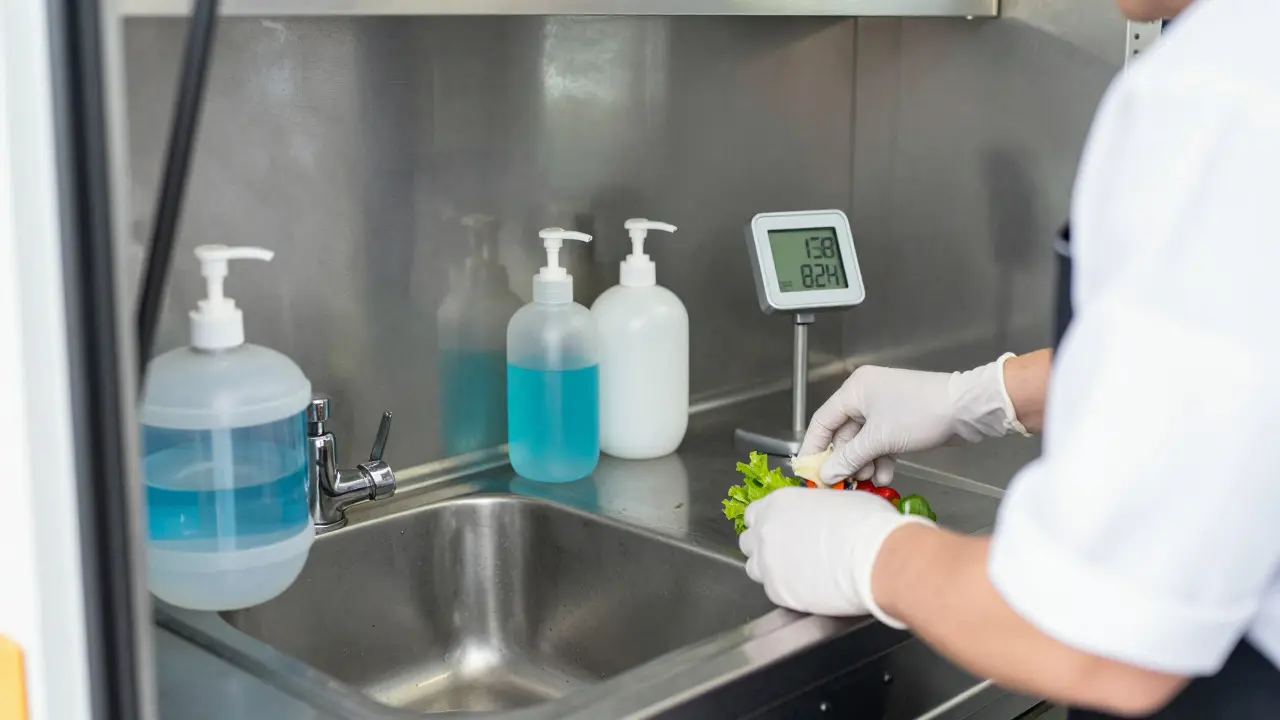
- Handwashing: You need a handwash basin that doesn't rely on mains water if you're off-grid. A portable sink with hot and cold water tanks is standard. Inspectors will check if you have soap, paper towels, and a sign saying "Wash Hands Before Handling Food."
- Waste Management: You cannot dump grease into drains. You need sealed bins for general waste and separate containers for recycling if possible. Grease traps are essential if you wash dishes on-site.
You will receive a Food Hygiene Rating Scheme (FHRS) score from 0 to 5. A 5 is "Very Good," a 0 is "Poor." While you don't *need* a 5 to operate, customers check these scores online. A rating below 3 can kill your reputation before you even start. Aim for a 4 or 5 by keeping your cleaning schedule visible and your equipment spotless.
Choosing the Right Location: Strategy Over Luck
Parking in front of a pub at 5 PM is a strategy. Parking in front of a residential street is a gamble. The best locations balance footfall, demographics, and competition.
| Location Type | Average Cost/Day | Key Challenge | Best For |
|---|---|---|---|
| Markets | £50 - £150 | High competition, fixed hours | Established brands, niche cuisines |
| Office Districts | Free - £100 (private land) | Lunch rush only (11am-2pm) | Quick meals, coffee, sandwiches |
| Festivals/Events | £200 - £500 + % of takings | Inconsistent income, high setup cost | Building brand awareness, testing menus |
| University Campuses | Varies | Seasonal (closed during holidays) | Budget-friendly, trendy items |
Private land deals are the sweet spot for many operators. Landowners (pubs, retail parks, gyms) often want to offer extra amenities to their customers. You negotiate a split of profits or a flat fee. The advantage? You control the timing. If you know a big football match is on, you can extend your hours. On public land, the council sets the rules, and they rarely bend them.
Avoid "ghost