
 by
by UK Partner Marketing Plans: How to Build Co-Branded Content and Campaigns
13 Apr, 2026Quick Takeaways
- Co-branding leverages shared trust to lower customer acquisition costs.
- UK audiences respond better to educational, value-first joint content than hard sales pitches.
- Success depends on aligned KPIs and a clear revenue-share or lead-exchange model.
- Compliance with GDPR is non-negotiable when sharing lead data between partners.
What Exactly is Partner Marketing?
At its core, Partner Marketing is a collaborative strategy where two brands align their resources to promote a joint offering or exchange audiences. Unlike a simple affiliate link, this is a deep integration. You aren't just paying for a click; you're building a shared narrative. In the UK, this often takes the form of Channel Marketing, where a company uses a third-party partner-like a reseller or a consultant-to reach a specific niche of the market.
Think of it as a friendship with a business goal. If you're a SaaS company providing accounting software and you partner with a UK-based chartered accountancy firm, you both win. The accountant looks like a hero by providing a great tool to their clients, and you get a flood of pre-qualified leads who are already primed to buy. It turns a cold sales process into a warm recommendation.
Designing Your Co-Branded Content Strategy
You can't just slap two logos on a PDF and call it a campaign. To make it work, you need content that feels like it was born from the partnership, not forced into it. The goal is to solve a problem that neither of you could solve alone. This is where Co-Branded Content comes in-material that blends the expertise of both parties to provide a comprehensive solution.
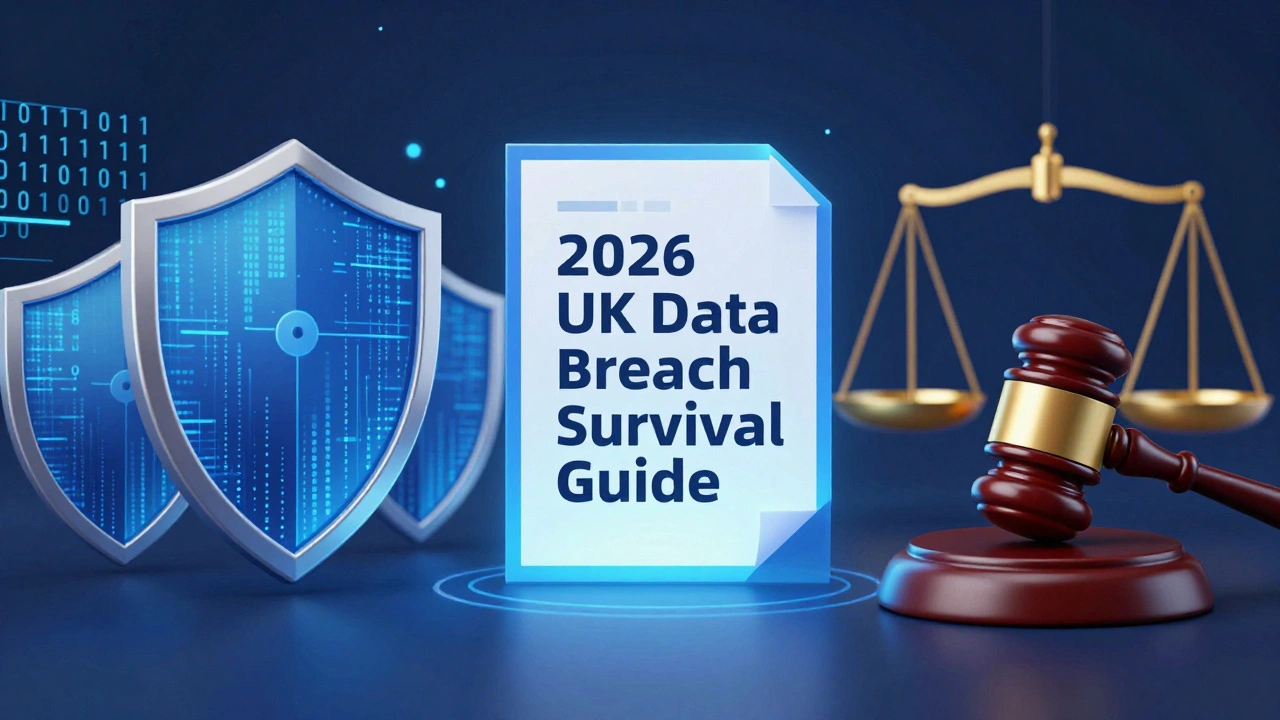
For example, if a cybersecurity firm and a legal consultancy in London team up, they shouldn't just write a brochure about their services. Instead, they could produce a "2026 UK Data Breach Survival Guide." One partner handles the technical recovery steps, and the other covers the legal liabilities under UK law. This creates a high-value asset that users actually want to download, which naturally positions both brands as experts.
When planning your content, focus on these formats:
- Joint Webinars: Host a live session where both experts tackle a current industry pain point.
- Guest Exchange: Write a deep-dive piece for your partner's blog and have them do the same for yours.
- Co-Authored Whitepapers: Create an industry report based on combined data from both companies.
- Case Study Pairs: Show how the combination of both your products solved a specific client's problem.
Executing Joint Campaigns in the UK Market
The UK market is unique. It's smaller and more interconnected than the US, and brand reputation is everything. If you partner with a brand that has a poor reputation for customer service, that stain will rub off on you. Before launching a Joint Venture campaign, you need a strict vetting process.
Once you've found the right partner, the execution phase requires a shared roadmap. You can't leave the promotion to 'goodwill.' You need a documented agreement that covers who is posting what, when, and where. A common mistake is assuming the partner's marketing team is as motivated as yours. To prevent this, create a shared project board in a tool like Trello or Asana to track every deliverable.
Don't forget the distribution. A great piece of content is useless if it only lives on one website. A successful joint campaign uses a multi-channel approach: a coordinated email blast to both lists, social media cross-promotion, and perhaps a targeted LinkedIn ad campaign where both brands are tagged. In the UK, LinkedIn is the powerhouse for B2B partnerships; utilizing "Collaborative Articles" or tagged posts can significantly boost organic reach.
| Model | Primary Goal | Resource Investment | Risk Level |
|---|---|---|---|
| Referral Partnership | Lead Generation | Low | Low |
| Co-Marketing | Brand Awareness | Medium | Medium |
| Strategic Alliance | Market Expansion | High | High |
Handling the Legal and Data Side (The GDPR Hurdle)
In the UK, you cannot simply swap email lists. The General Data Protection Regulation (GDPR) makes this a legal minefield. If you want to share leads, you must have explicit consent from the user to share their data with a third party. This is where many partnerships fail because they try to cut corners.
The smartest way to handle this is through a "Landing Page Gateway." Instead of swapping lists, you create a joint landing page. When a user signs up for the "Survival Guide" mentioned earlier, the checkbox clearly states: "I agree to receive communications from both Company A and Company B." This keeps you compliant and ensures the leads are actually interested in both brands.
Beyond data, you need a written Memorandum of Understanding (MoU). It doesn't have to be a 50-page legal document, but it should clearly define:
- Who owns the final content?
- How are the leads split? (e.g., Who gets the lead if they sign up via the partner's link?)
- What happens if the partnership ends? (Do the blogs stay up or get deleted?)
- What is the expected time frame for the campaign?
Measuring Success and Scaling
How do you know if your partner marketing is actually working? If you're only looking at "likes" or "shares," you're missing the point. You need to track Key Performance Indicators (KPIs) that correlate to revenue.
Use unique UTM parameters for every link your partner shares. This allows you to see exactly which partner, which email, and which specific call-to-action (CTA) drove the conversion. If you find that one partner is sending you 1,000 leads but none of them convert, the partnership is a failure, regardless of how "impressive" the traffic numbers look. This is a classic case of audience misalignment.
Once you find a winning combination, don't just do it once. Turn it into a repeatable engine. If a joint webinar worked for the "FinTech" sector, try the same format with a partner in the "HealthTech" sector. Scale by moving from one-off campaigns to a structured partner program where you have a tier of gold, silver, and bronze partners based on their performance and the value they bring.
What is the best way to approach a potential partner for the first time?
Avoid the "generic pitch." Don't send a cold email saying you want to "collaborate." Instead, identify a specific gap in their current content or a problem their customers have that you can solve. Propose a concrete idea-like a specific webinar topic or a data-driven report-and explain exactly how it benefits their audience. Show them you've done your homework on their brand first.
How do we handle disputes over lead ownership?
The only way to handle this is to decide BEFORE the campaign starts. Use a lead attribution software or a shared CRM. Common agreements include "first-touch attribution" (the partner who first captured the lead owns it) or a revenue-share model where both parties get a percentage of the deal regardless of who captured the lead. Putting this in writing prevents awkward conversations later.
Can small businesses use partner marketing if they don't have a big brand name?
Absolutely. In fact, it's one of the best ways for small businesses to gain credibility. The key is to find a "Complementary Partner" rather than a "Competing Partner." If you're a small boutique web design agency, partner with a freelance copywriter or a small SEO consultant. You both serve the same client but provide different services, making you a powerful combined package.
Is it better to do a few big partnerships or many small ones?
Start with 2-3 high-quality partnerships. Co-branded content requires a significant amount of time and coordination. If you try to manage ten partners at once, the quality of the content will drop, and you'll likely miss deadlines. Once you have a streamlined process and a template for your campaigns, you can scale the number of partners.
How often should co-branded content be updated?
Industry reports and guides should be updated at least annually. In the UK's fast-moving regulatory environment (especially in finance and tech), outdated information can actually damage your credibility. Set a calendar reminder for 12 months after publication to review the data and update the content with your partner.
Next Steps for Your Partnership
If you're ready to start, your first step isn't to find a partner-it's to define your "Ideal Partner Profile" (IPP). Ask yourself: Who has the audience I want? What value can I provide to that audience that the partner can't? Once you have that answer, create a one-page "Partnership Pitch Deck" that outlines the value proposition, the proposed content ideas, and the expected outcomes. With a clear plan in hand, you're no longer just asking for a favor; you're offering a business opportunity.