 by
by UK SME Carbon Footprint Reduction: Practical Guide for 2026
17 Aug, 2026For most small and medium-sized enterprises in the UK, cutting carbon feels like a luxury reserved for giants with dedicated sustainability teams. But the landscape has shifted. With new reporting rules tightening and customers increasingly checking your green credentials before signing a contract, reducing your carbon footprint is no longer just good PR-it’s a survival tactic. You don’t need a million-pound budget to make a dent. You need a clear map of where your emissions actually come from and a few targeted moves that pay off quickly.
The biggest mistake businesses make is guessing. They swap plastic cups for paper ones because it looks good on Instagram, but they ignore the massive energy drain from their office heating or the fuel burned by their delivery vans. To fix this, you have to look at the data first. The Greenhouse Gas Protocol breaks emissions into three buckets: Scope 1 (direct sources like gas boilers), Scope 2 (indirect sources like electricity), and Scope 3 (everything else, like supply chain and business travel). For 80% of UK SMEs, Scope 3 is the elephant in the room, but Scope 1 and 2 are where you can start making immediate changes today.
Mapping Your Emissions Without Getting Overwhelmed
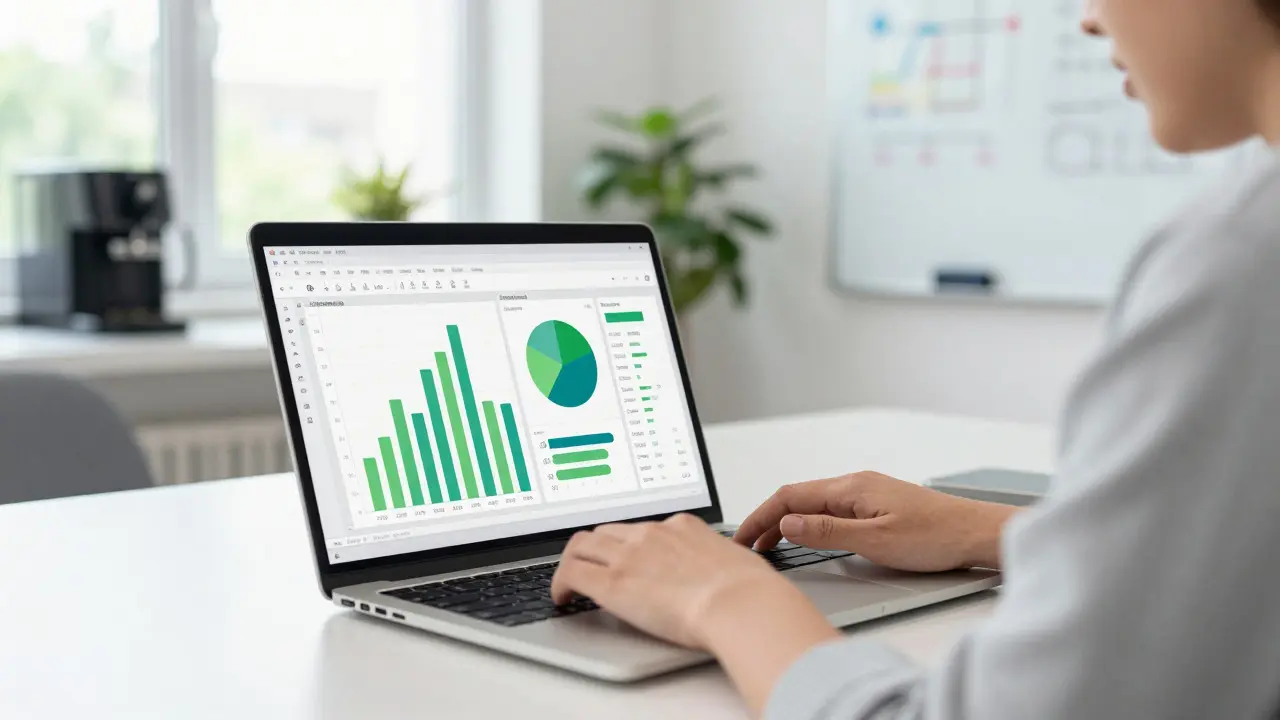
You don’t need complex software to start. A simple spreadsheet works fine for a baseline audit. Start by gathering your utility bills from the last 12 months. Look at your gas and electricity usage. If you run vehicles, pull together your fuel receipts. This gives you your direct footprint. Next, estimate your Scope 3. How much do you spend on logistics? How often do employees fly? These numbers don’t need to be perfect; they just need to be consistent so you can track progress over time.
Many owners assume their biggest impact is in the office. Often, it isn’t. In service-based firms, the biggest chunk might be employee commuting or the cloud servers hosting your data. In retail or manufacturing, it’s usually raw materials and logistics. Identifying your specific “hotspot” saves you from wasting money on low-impact fixes. For example, if your main cost driver is freight, installing solar panels on your warehouse roof might only shave off 5% of your total emissions, while switching to electric delivery vans could cut 30%.
Tackling Energy: The Quick Wins
Energy is usually the easiest place to start because the savings show up on your bank statement immediately. The UK government’s Energy Saving Trust suggests that many commercial buildings waste up to 30% of their energy simply due to poor management rather than broken equipment. Before you buy new tech, audit your habits.
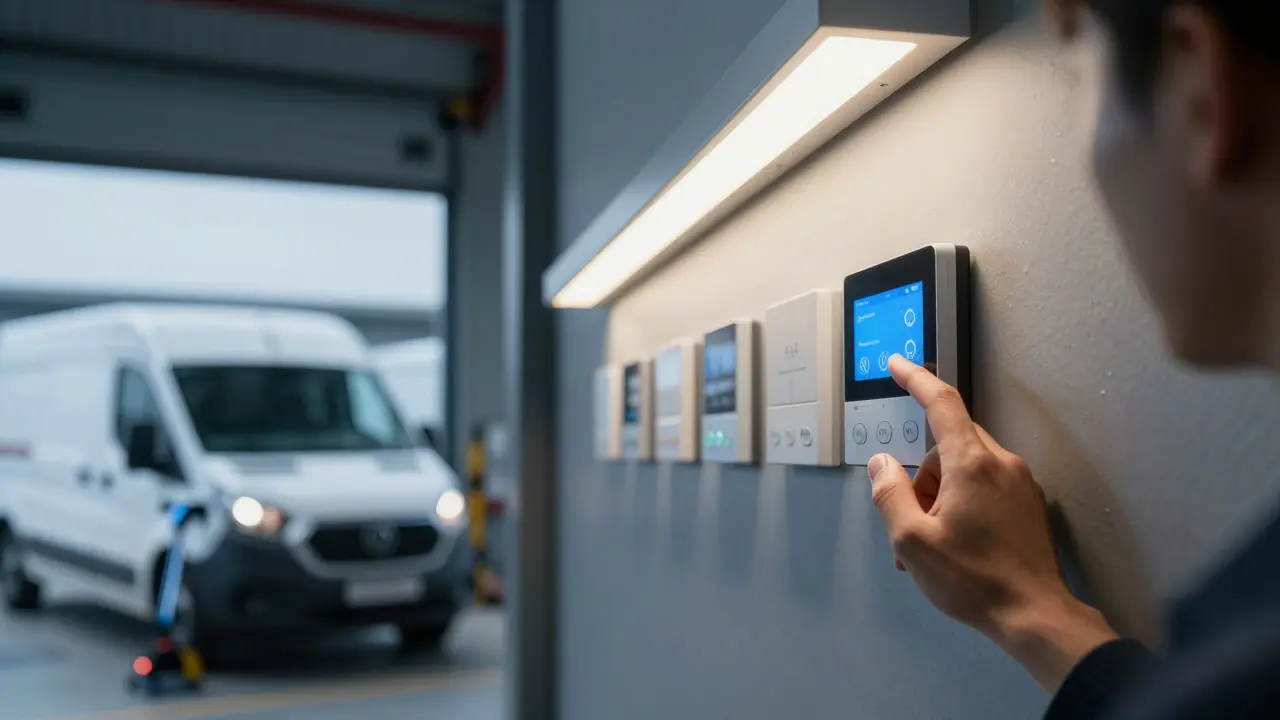
- Smart Controls: Ensure your HVAC system isn’t running at full blast when the office is empty. Smart thermostats can adjust based on occupancy, saving roughly 10-15% on heating costs annually.
- LED Lighting: If you still use fluorescent tubes, switch to LED. It uses about 75% less energy and lasts significantly longer, reducing replacement waste.
- Standby Power: Computers, printers, and coffee machines draw power even when idle. Use smart power strips that cut power automatically after hours.
If you’re renting, check your lease. Many modern commercial leases require landlords to maintain certain energy standards, but you often control the usage. If you own your property, consider investing in insulation or heat pumps. While the upfront cost is higher, the long-term reduction in gas dependency protects you from volatile energy prices, which have been a major headache for UK businesses since 2022.
Navigating Scope 3: Supply Chain and Travel
Scope 3 emissions are tricky because they happen outside your four walls. However, they are often the largest part of your footprint. Here is how to approach them without losing your mind:
- Supplier Engagement: Talk to your top five suppliers. Ask for their carbon intensity data. If they don’t have it, ask what they are doing. Sometimes, simply asking signals that you care, and larger suppliers will provide this data willingly to keep your business.
- Local Sourcing: Where possible, source materials locally. Reducing transport miles cuts both cost and emissions. It also supports the local economy, which is a nice story to tell your customers.
- Travel Policy: Review your business travel policy. Can that flight be a train? Can that meeting be virtual? Hybrid work models have already reduced commuting emissions for many firms, but remote-first policies can cut them further.
Don’t try to manage every single supplier. Focus on the big ones. The Pareto Principle applies here: 80% of your Scope 3 impact likely comes from 20% of your vendors. Fix those relationships first.
Understanding the Regulatory Landscape in 2026
Regulations in the UK are evolving rapidly. By 2026, more SMEs are being pulled into reporting requirements through their supply chains. Large corporations, who must report under the Streamlined Energy and Carbon Reporting (SECR) framework, are now demanding carbon data from their smaller suppliers. If you want to stay on the books of major clients, you need to be able to produce a credible carbon number.
Additionally, the Corporate Climate Change Transparency Regulations (CCCTRs) are expanding. While not all SMEs are directly mandated to report yet, the pressure is coming from two directions: customers wanting proof of sustainability, and investors looking for ESG (Environmental, Social, and Governance) compliance. Being proactive means you aren’t scrambling when a client asks for your Scope 1 and 2 data during a tender process.
| Strategy | Estimated Impact | Initial Cost | Time to ROI |
|---|---|---|---|
| Switching to LED Lighting | High (Lighting energy) | Low | 1-2 years |
| Installing Smart Thermostats | Medium (Heating/Cooling) | Low-Medium | 1-3 years |
| Hybrid Work Policy | High (Commuting/Office Space) | Low (Policy change) | Immediate |
| Electric Vehicle Fleet | Very High (Transport) | High | 4-6 years |
| Solar Panels | Medium-High (Electricity) | High | 5-7 years |
Turning Sustainability into a Sales Tool
Once you’ve made some changes, don’t hide them. Customers in the UK are becoming increasingly eco-conscious. B2B buyers, in particular, are under pressure from their own clients to prove their supply chain is sustainable. By offering transparent carbon data, you become an easier partner to work with.
Create a simple one-page “Sustainability Snapshot” for your website. List your current initiatives, your target for next year, and any certifications you hold. You don’t need to be perfect; you just need to be moving in the right direction. This builds trust and differentiates you from competitors who are still silent on the issue. Remember, perfection is the enemy of progress. A company actively reducing its footprint beats a competitor claiming to be “carbon neutral” through vague offsetting schemes.
Common Pitfalls to Avoid
As you move forward, watch out for these traps that derail many SME efforts:
- Greenwashing: Making claims you can’t back up with data. If you say you’re “eco-friendly,” have a metric to prove it.
- Offsetting Everything: Offsetting should be the last resort, not the first step. Reduce first, then offset what remains.
- Ignoring Staff Buy-in: If your team doesn’t understand why you’re changing things, they won’t follow the new rules. Communicate the ‘why’ clearly.
- One-Off Projects: Sustainability is a continuous process, not a single event. Build it into your annual planning cycle.
Start small, measure honestly, and scale what works. Your carbon footprint is a reflection of your operational efficiency. When you cut waste, you cut costs. That’s the real win.
How much does it cost for a UK SME to calculate its carbon footprint?
For a basic calculation using spreadsheets and public emission factors, the cost is primarily your time. If you hire a consultant, expect to pay between £1,000 and £5,000 for a comprehensive baseline audit, depending on the complexity of your supply chain.
Do all UK SMEs have to report their carbon emissions in 2026?
Not directly. Mandatory reporting currently applies to larger companies. However, SMEs are increasingly required to provide data to larger clients who are subject to reporting rules. So, while not legally forced to file a report, you may be contractually obligated to provide the data.
What is the difference between Scope 1 and Scope 2 emissions?
Scope 1 includes direct emissions from sources you own or control, such as gas boilers and company cars. Scope 2 includes indirect emissions from the generation of purchased electricity, steam, heating, or cooling. Most businesses find Scope 2 easier to reduce by switching to renewable energy tariffs.
Are carbon offsets a good way to reach net zero?
Offsets should only be used for emissions that cannot be reduced internally. Relying solely on offsets without making operational changes is considered greenwashing by many experts. The priority should always be reduction first, then offsetting the remainder.
How can hybrid working help reduce our carbon footprint?
Hybrid working reduces the need for daily commuting, which cuts transport emissions. It also allows companies to downsize office space, leading to lower heating, cooling, and lighting demands. Studies suggest a shift to hybrid models can reduce corporate carbon footprints by 10-20%.