 by
by UK Subscription Retention Tactics: How to Use Save Offers, Pauses, and Extensions
9 Apr, 2026Key Takeaways
- Save offers work best when they address the specific reason for leaving (price vs. value).
- Subscription pauses are a powerful tool for seasonal churn or temporary financial hardship.
- Extensions act as a low-friction way to keep users engaged without immediate payment.
- Personalization and timing are the difference between a 'saved' customer and a permanent exit.
The Psychology of the Save Offer
When a user heads to the cancellation page, they've already made a mental decision to leave. A Save Offer is a targeted incentive presented during the churn process to convince a customer to stay. But if you just throw a 10% discount at everyone, you're essentially training your customers to pretend they want to cancel just to get a cheaper rate.
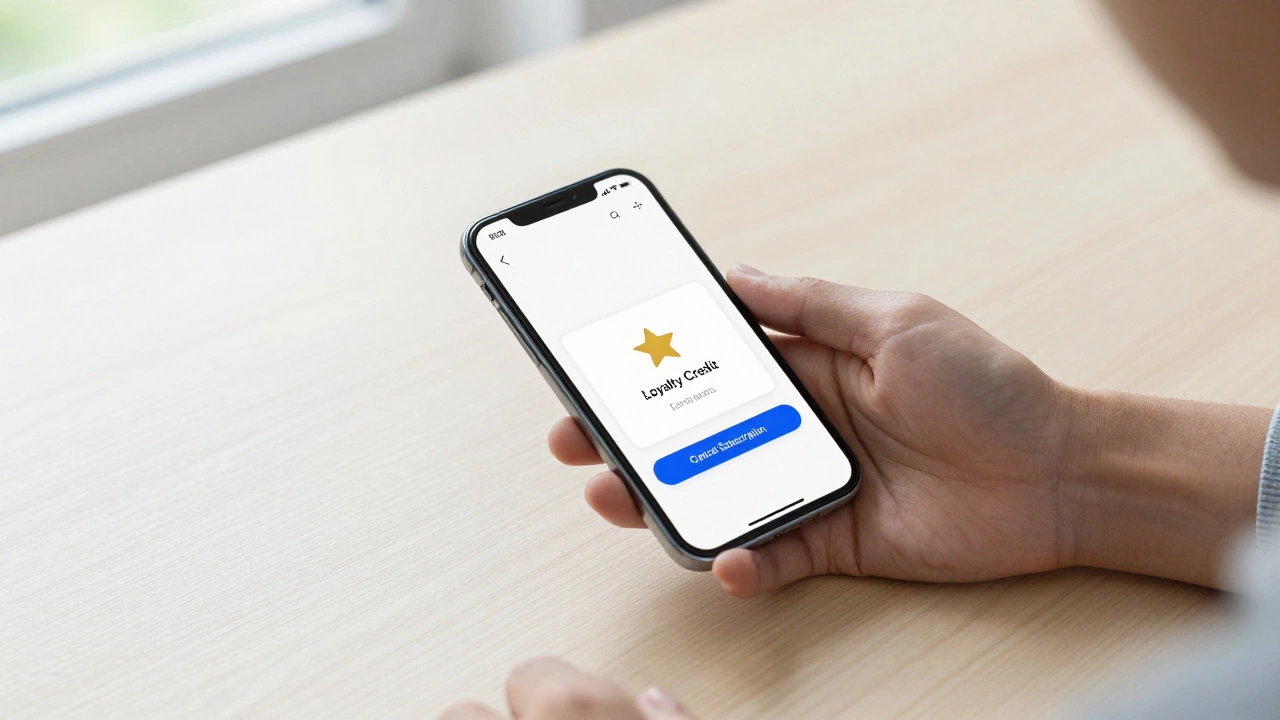
To avoid this, you need a tiered approach. Start by asking why they are leaving. If they select 'too expensive,' that's when you trigger a price-based save offer. If they say 'I don't use it enough,' a discount won't help-they need a reminder of the value or a different plan entirely. In the UK, we see a high response rate to 'loyalty rewards' rather than 'discounts.' Framing a price drop as a 'Loyalty Credit' makes the user feel valued rather than like they're just getting a bargain.
For example, a UK-based streaming service might offer three months at half price to a user who has been active for over a year. This acknowledges the tenure and provides a significant short-term win for the customer without permanently slashing the lifetime value (LTV) of the account.
Using Subscription Pauses to Fight Seasonal Churn
Not every cancellation is a breakup; some are just a 'break.' A Subscription Pause is a feature allowing users to temporarily stop billing and service for a set period, usually 1 to 3 months, without losing their account data. This is an incredibly effective subscription retention tactic for businesses with seasonal usage patterns.
Think about a gardening subscription box. A customer in the UK might want to cancel in November because they aren't planting anything in the winter. If you force them to cancel, you have to pay to win them back in March. If you offer a 'Winter Hibernate' pause, they stay in your ecosystem. Their data remains, their preferences are saved, and they are automatically reactivated when the season changes.
When implementing pauses, keep these rules of thumb in mind:
- Set a hard limit: Allow pauses for 30, 60, or 90 days. Unlimited pauses are essentially free accounts.
- Automate the wake-up: Send a reminder email seven days before the pause ends, reminding them of the value they'll get back.
- Keep the account 'warm': Occasionally send them a 'we miss you' newsletter with a highlight of what they've missed while paused.
The Strategic Use of Extensions
An extension is different from a pause. While a pause stops the clock, an Extension is the act of granting a customer additional service time for free as a gesture of goodwill or a retention hook. It's a high-trust move that says, 'We believe our product is so good that if you have another 14 days, you'll see the value.'
Extensions are particularly potent for SaaS products where the 'Aha! moment' (the point where the user realizes the product's value) hasn't happened yet. If a user tries to cancel after 20 days of a 30-day trial, offering a free 14-day extension can give them the breathing room to actually finish a project or see a result. In the UK B2B sector, this often builds more rapport than a discount because it shows the company cares about the client's success, not just their credit card.
| Tactic | Best For... | Psychological Trigger | Risk Level |
|---|---|---|---|
| Save Offer | Price-sensitive users | Financial Gain / Reward | Medium (Devalues brand) |
| Pause | Seasonal or temporary gaps | Control / Flexibility | Low (Retains data) |
| Extension | Users who haven't found value | Reciprocity / Trust | Low (No cash loss) |

Designing the Optimal Cancellation Flow
The 'Cancellation Flow' is the series of screens a user encounters after clicking 'Cancel.' If this is just one button and a confirmation page, you're leaving money on the table. However, if it's a ten-step gauntlet, you'll infuriate your customers and likely face backlash on social media or Trustpilot.
A healthy flow follows a logical sequence: Intent → Insight → Intervention → Confirmation.
- Intent: The user clicks cancel.
- Insight: Ask a simple question. "Why are you leaving?" Provide 4-5 clear options (e.g., Too expensive, Missing features, No longer need it, Technical issues).
- Intervention: This is where the logic kicks in. If they chose 'Too expensive,' show a save offer. If they chose 'No longer need it,' suggest a pause. If they chose 'Technical issues,' offer a direct link to a support agent or a free extension while they get help.
- Confirmation: A clear, honest confirmation that they have been cancelled. No hidden traps.
One advanced move is the 'Downsell.' Instead of just a discount, suggest a lower-tier plan. Many UK consumers are moving from 'Premium' to 'Basic' plans rather than leaving entirely. By offering a Downsell, you maintain the customer relationship and keep them in your funnel for a future upgrade.
Avoiding the 'Churn Trap'
There is a danger in over-relying on these tactics. If you save a customer who truly hates your product, you've just delayed the inevitable and potentially created a vocal detractor. This is known as 'zombie churn'-users who are paying but not using the service. They are a liability because they eventually churn in bulk and often leave negative reviews.
To avoid this, track your 'Saved Rate' vs. 'Long-term Retention.' If people you save with a discount churn again within 30 days, your save offer isn't solving the problem; it's just masking it. You should focus on Customer Lifetime Value (LTV), which is the total revenue a business can expect from a single customer account throughout the business relationship. A save offer should be an investment in LTV, not a short-term spike in monthly recurring revenue (MRR).
Another common mistake is ignoring the 'passive churn' caused by failed payments. In the UK, with the rise of open banking and changing card regulations, many subscriptions fail not because the user wants to leave, but because their card expired. Implement a 'dunning' process-automated emails that ask users to update their payment details-before you assume they want to cancel. Combine this with a small extension (e.g., 'We've given you 7 extra days of service while you update your card') to create a positive experience.
Measuring Success and Iterating
You cannot improve what you don't measure. To know if your retention tactics are working, you need to track a few specific metrics. First is the Save Rate: the percentage of users who start the cancellation process but end up staying. Second is the Churn Rate: the percentage of your total subscriber base that leaves every month.
But the most important metric is the Recovery Rate: how many people who actually cancelled come back within 90 days? This is where win-back campaigns come into play. If a user rejects your save offer and cancels, they are now a lead for your win-back sequence. A simple email three months later saying, 'We've added [New Feature] since you left, want to come back for 14 days free?' often works better than any discount offered at the moment of anger.
What is the most effective save offer for UK customers?
While it depends on the product, 'Loyalty Credits' and tiered discounts (e.g., 20% off for 3 months) tend to perform better than permanent price cuts. UK consumers respond well to feeling like they are being rewarded for their tenure rather than just receiving a generic discount.
Should I allow users to pause their subscription indefinitely?
No. Indefinite pauses create 'ghost users' and complicate your financial forecasting. Limit pauses to a maximum of 90 days. This encourages the user to return to the product and ensures you can eventually either reactivate them or clear them from your active user list.
How do I prevent 'discount hunters' from gaming my save offers?
Implement a cooldown period. If a user has received a save offer in the last 6 months, do not offer another one. Instead, offer a subscription pause or a plan downgrade. This ensures that discounts are used for genuine retention, not as a tool for users to lower their monthly bill.
When is the best time to offer a free extension?
Extensions are most effective when the user cites 'lack of time' or 'technical frustration' as their reason for leaving. By giving them more time or a window to get support, you remove the immediate friction and give them a chance to experience the product's full value.
Does a complex cancellation flow hurt my brand?
Yes, if it feels like a trap. The key is to be helpful, not obstructive. A flow that asks for feedback and offers a tailored solution (like a pause) is seen as helpful. A flow that hides the 'confirm' button or requires a phone call to cancel will lead to negative reviews and potential regulatory scrutiny under UK consumer protection guidelines.
Next Steps for Implementation
If you're just starting with retention tactics, don't try to build a complex AI-driven flow overnight. Start with a simple 'Why are you leaving?' survey. Once you have data on the top three reasons for churn, build a specific intervention for each. For example, if 50% of people say it's too expensive, launch your save offers first. If 30% say they are just busy, implement the pause feature next. Test your offers in small batches (A/B testing) to see which discount percentage actually keeps people longer without destroying your margins.