 by
by UK Unique Taxpayer Reference (UTR) Guide: How to Get Your Business UTR
23 Apr, 2026Quick Summary: UTR Essentials
- What it is: A 10-digit code used by HMRC to track your tax records.
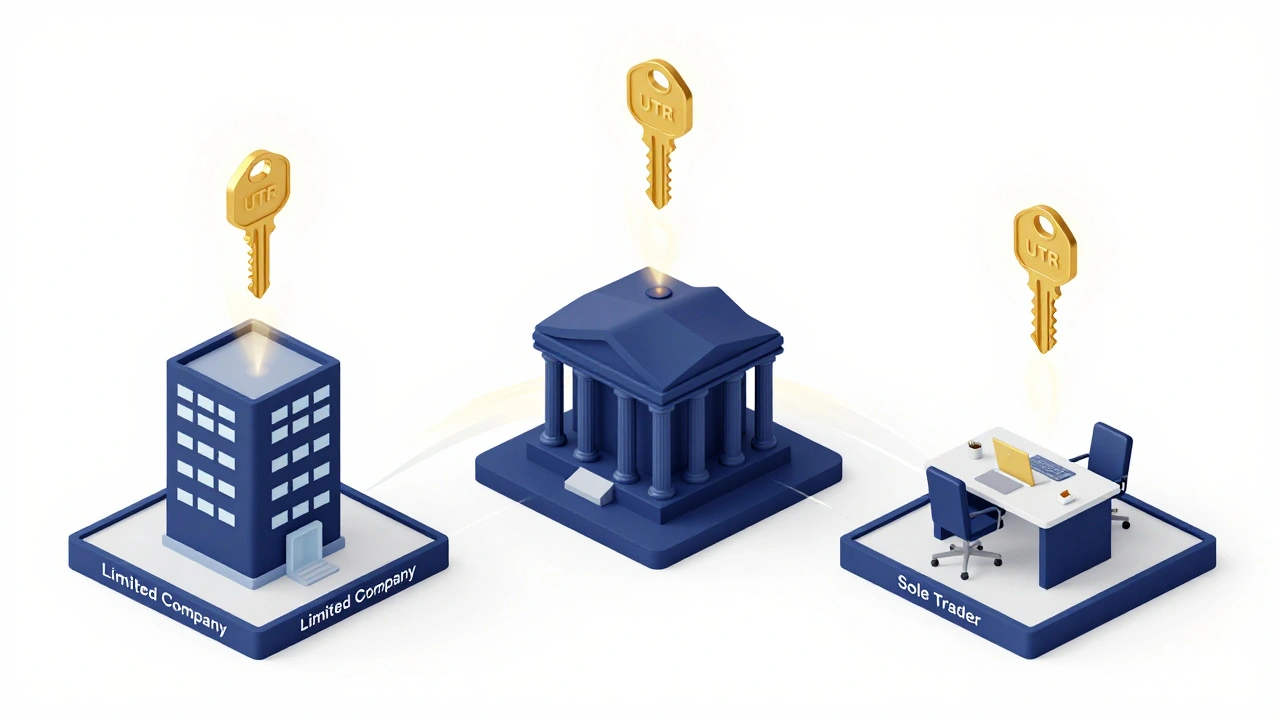
- Who needs it: Limited companies, sole traders, and partners in a partnership.
- How to get it: Usually issued automatically after registration, or requested via the government portal.
- Where to find it: On your tax returns, payment reminders, or your HMRC online account.
- Risk: Operating without one can lead to late filing penalties and legal friction.
Why Your Business Actually Needs a UTR
You might think a company registration number (CRN) from Companies House is enough, but that's a common mistake. While the CRN identifies your company as a legal entity, the UTR is specifically for the money you owe the government. If you're running a Limited Company, you'll need a UTR to file your Corporation Tax returns. If you don't have one, HMRC doesn't know you exist as a taxable entity, which sounds great until they find you and apply penalties for late registration.
For those working as a Sole Trader, the UTR is the heartbeat of your Self Assessment process. It's how you tell the government, "I've made this much profit, and here is the tax I owe." Without this number, you can't even log into the government gateway to see how much you owe for the year. It's essentially your account number for the national treasury.
How to Get a UTR Based on Your Business Structure
The process for getting your UTR depends entirely on how you've set up your business. It's not a one-size-fits-all application.
For Limited Companies
When you register a new company at Companies House, HMRC is usually notified automatically. In most cases, you'll receive your UTR in the post within a few weeks of incorporation. However, this isn't always a smooth ride. If you haven't received your letter after 21 days, you shouldn't just wait. You'll need to register for Corporation Tax through the government website. This tells HMRC that your company is active and ready to start paying tax.
For Sole Traders
If you're working for yourself, you get a UTR by registering for Self Assessment. You can do this online through the official government portal. You'll need your National Insurance number and a valid address. Once you've registered, HMRC will send your UTR via mail. Don't expect an instant email; for security reasons, these codes are still largely handled through physical post to verify your identity.
For Partnerships
Partnerships are a bit more complex. Each individual partner needs their own personal UTR for their share of the profits, but the partnership itself also needs a separate partnership UTR. This allows the business to file a partnership tax return, which then breaks down how much each person earned.
| Business Type | Who needs the UTR? | Primary Tax Use | Typical Delivery Method |
|---|---|---|---|
| Limited Company | The Company Entity | Corporation Tax | Post (Automatic/Manual) |
| Sole Trader | The Individual | Income Tax / Self Assessment | Post (After Registration) |
| Partnership | The Firm & Each Partner | Partnership Tax / Personal Tax | Post |
Where to Find Your UTR If You've Lost It
It's incredibly common to misplace that one letter from HMRC in a sea of other paperwork. Before you panic and call the helpline (where you might spend an hour on hold), check these spots first.
First, check your HMRC Online Account. If you've already set up your government gateway login, your UTR is usually listed right on the main dashboard or under the "Tax Account" section. It's the fastest way to get it without waiting for the mail.
Second, look at old tax returns. Any previous SA100 form (for sole traders) or CT600 (for companies) will have the UTR clearly printed at the top. Similarly, any "Notice to Complete a Tax Return" letter from HMRC will feature the ten-digit number. If you have an accountant, they'll definitely have it on file, as they can't file anything for you without it.
Common Pitfalls and How to Avoid Them
One of the biggest mistakes new entrepreneurs make is confusing their UTR with their VAT number. A VAT number is for collecting sales tax on behalf of the government; a UTR is for paying the tax on your actual profits. They are completely different systems. If you try to put your VAT number into a tax return field asking for a UTR, the system will reject it, and you might trigger an automated error flag in HMRC's system.
Another issue is the "dormant company" trap. Some people set up a limited company but don't actually start trading for a year. They ignore the UTR letter because they aren't making money. This is risky. Even if you're dormant, you should notify HMRC so they don't assume you're just avoiding your filing obligations. Failure to tell them you're dormant can lead to "failure to notify" penalties that can reach hundreds of pounds.
Finally, be wary of "UTR agencies" that claim they can fast-track your number for a fee. HMRC does not charge for issuing a UTR, and there is no "express lane" you can pay for. These are often scams or just middlemen who are doing a five-minute online form for you. Do it yourself for free.
What to Do If Your UTR Is Incorrect or Missing
If you've received a UTR but the details are wrong-perhaps your business name is misspelled or the address is outdated-don't just ignore it. Incorrect data can lead to your tax filings being mismatched, which often triggers a manual audit by HMRC. You can update your details through the government gateway or by sending a formal letter to the address provided on your correspondence.
If you're in a rush to file and the post hasn't arrived, you can call the HMRC Helpline. Be prepared to answer a lot of security questions. They won't just give the number over the phone to anyone; you'll need to prove your identity and potentially provide your National Insurance number or company registration details. Once verified, they can either give it to you or send a duplicate copy by mail.
Is a UTR the same as a National Insurance number?
No, they are completely different. Your National Insurance number identifies you as a citizen and worker for pension and benefit purposes. The UTR is specifically for tracking your tax payments and filings with HMRC. You need your National Insurance number to apply for a UTR, but you can't use one in place of the other.
How long does it take to get a UTR?
Typically, it takes between 10 to 21 days for the UTR to arrive by post after you've registered. For limited companies, this often happens automatically after incorporation, but it can still take a few weeks for the letter to hit your doormat.
Do I need a UTR if I earn less than the tax threshold?
If you're a sole trader and your income is below the trading allowance (currently £1,000 per year), you generally don't need to register for Self Assessment or get a UTR. However, if you're a limited company, you must have a UTR regardless of whether you've made a profit, because companies are subject to different filing rules than individuals.
Can I change my UTR if I change my business name?
No, your UTR stays with the legal entity. If you change your business name but keep the same company registration number, your UTR remains the same. If you close one company and start a completely new one, the new entity will need its own separate UTR.
What happens if I lose my UTR and can't find it online?
The best move is to call the HMRC online services helpdesk. They can verify your identity and post a confirmation letter to your registered address. Avoid using third-party "recovery services" as they are not official and can be risky.
Next Steps for New Business Owners
Now that you know how to handle your UTR, the next move is to organize your financial records. If you're a limited company, set up a dedicated business bank account immediately. Mixing personal and business funds makes it much harder to calculate the figures you'll eventually report using that UTR.
For sole traders, start a simple spreadsheet of every single expense you have-from software subscriptions to a new office chair. When it comes time to use your UTR for your first tax return, having a clean record of expenses will save you from a massive headache and potentially lower your tax bill.