Supplier Payments in the UK: How to Manage Cash Flow and Avoid Late Fees
When you’re running a business in the UK, supplier payments, the process of paying businesses that provide goods or services to your company. Also known as vendor payments, it’s not just about sending money—it’s about keeping your cash flow steady, protecting your credit, and staying on good terms with the people who keep your operations running. Miss a payment, and you could lose discounts, face penalties, or even get cut off. Get it right, and you build trust, unlock better terms, and free up breathing room for growth.
Managing payment terms, the agreed-upon timeline and conditions for when and how you pay suppliers is where most UK businesses stumble. Whether you’re dealing with a local printer, a warehouse in Manchester, or a software vendor in London, the clock starts ticking the moment you receive the invoice. The standard is 30 days, but smart businesses negotiate 45 or even 60 days—especially if they’re buying in bulk or have a long-term contract. And don’t ignore late payment penalties, fees suppliers can legally charge if you don’t pay on time, often 8% above Bank of England base rate. The Late Payment of Commercial Debts (Interest) Act 1998 gives suppliers the right to charge these, and many do. It’s not a threat—it’s a legal reality.
What ties all this together is cash flow management, the practice of tracking money coming in and going out to ensure you never run short. If your customers pay late, and you pay your suppliers on time, you’re bleeding cash. The fix? Align your payment schedule with your income. Use accounting tools to flag upcoming bills. Set up automated reminders. Prioritize payments that offer early discount deals—many suppliers give 2% off if you pay in 10 days. And always keep a buffer. A survey by the Federation of Small Businesses found that 60% of UK SMEs that struggled with supplier payments did so because they didn’t forecast cash flow at all.
Looking at the posts here, you’ll see real examples of how UK businesses handle these pressures. From structuring sales proposals that include payment terms, to using KPIs to track how quickly invoices are settled, to building contingency plans when a key supplier delays delivery—this collection gives you the tools to stop reacting and start controlling. You’ll find templates, checklists, and proven systems used by businesses just like yours. No theory. No fluff. Just what works when the bills are due and the bank balance is low.
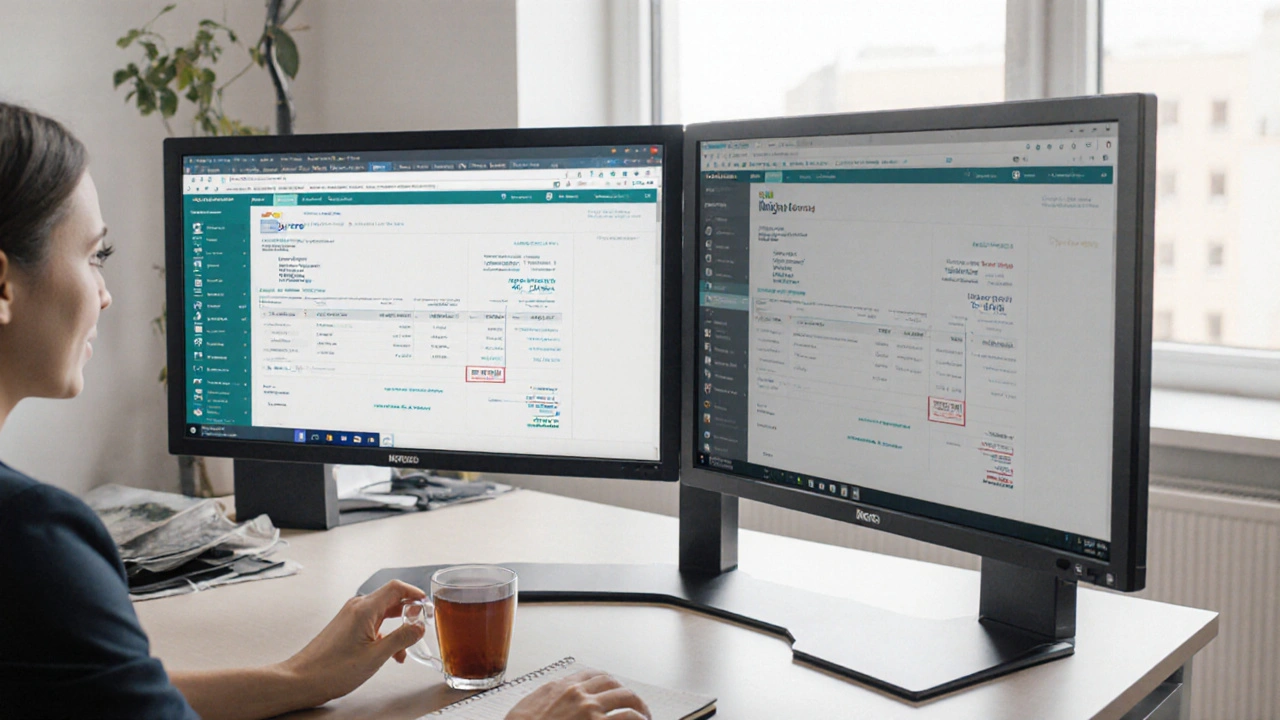
Accounts Payable in the UK: Managing Supplier Payments Effectively
21 Nov, 2025
Learn how to manage accounts payable in the UK effectively - avoid late fees, stay HMRC-compliant, and build better supplier relationships with practical steps and tools for 2025.
 by
by