Fraud Prevention in the UK: Protect Your Business from Common Scams
When you run a business in the UK, fraud prevention, the practice of stopping deliberate deception aimed at stealing money, data, or trust. Also known as scam protection, it’s not just about software—it’s about processes, people, and patterns you can spot before it’s too late. Every year, UK businesses lose over £1.9 billion to fraud, according to UK Finance. And most of it? It’s not some high-tech hack. It’s a fake email, a forged invoice, or a caller pretending to be from your bank. The real danger isn’t the method—it’s the assumption that "it won’t happen to us."
Financial fraud, a broad category covering theft through deception like fake payments, identity theft, or manipulated accounting is the most common threat. In 2023, invoice fraud alone cost UK SMEs an average of £18,000 per incident. Then there’s fraud detection, the systems and checks that catch fraud early, like dual approval for payments or vendor verification workflows. These aren’t luxury tools—they’re basic hygiene. If your team can change a bank account number on an invoice without a second person checking, you’re already at risk. And it’s not just about money. Business fraud, any illegal act that harms your company’s operations, reputation, or assets can wreck customer trust faster than a bad review.
What you’ll find in these articles isn’t theory. It’s what UK businesses are doing right now to shut down fraud before it starts. You’ll see how a small London design agency stopped a £12,000 invoice scam by adding a simple verification step. How a Manchester warehouse cut payment errors by 90% using automated vendor matching. How a Manchester-based SaaS company trained staff to spot phishing emails using real examples from their inbox—not generic slides. These aren’t big corporations with legal teams. These are small teams doing the work themselves.
You don’t need a cybersecurity budget to protect yourself. You need awareness, structure, and a habit of double-checking. The tools are simple: verify payment details by phone, never trust urgent requests, keep records tight, and train your team like they’re frontline defenders. Because in the UK, fraud doesn’t wait for permission. It shows up in your inbox, your bank portal, your supplier list. And if you’re not ready, it will take what it wants. The posts below show you exactly how to get ready—without the jargon, without the fluff, and without waiting for a disaster to happen.
Fraud Prevention for UK Online Stores: Essential Strategies to Protect Your Ecommerce Business
5 Dec, 2025
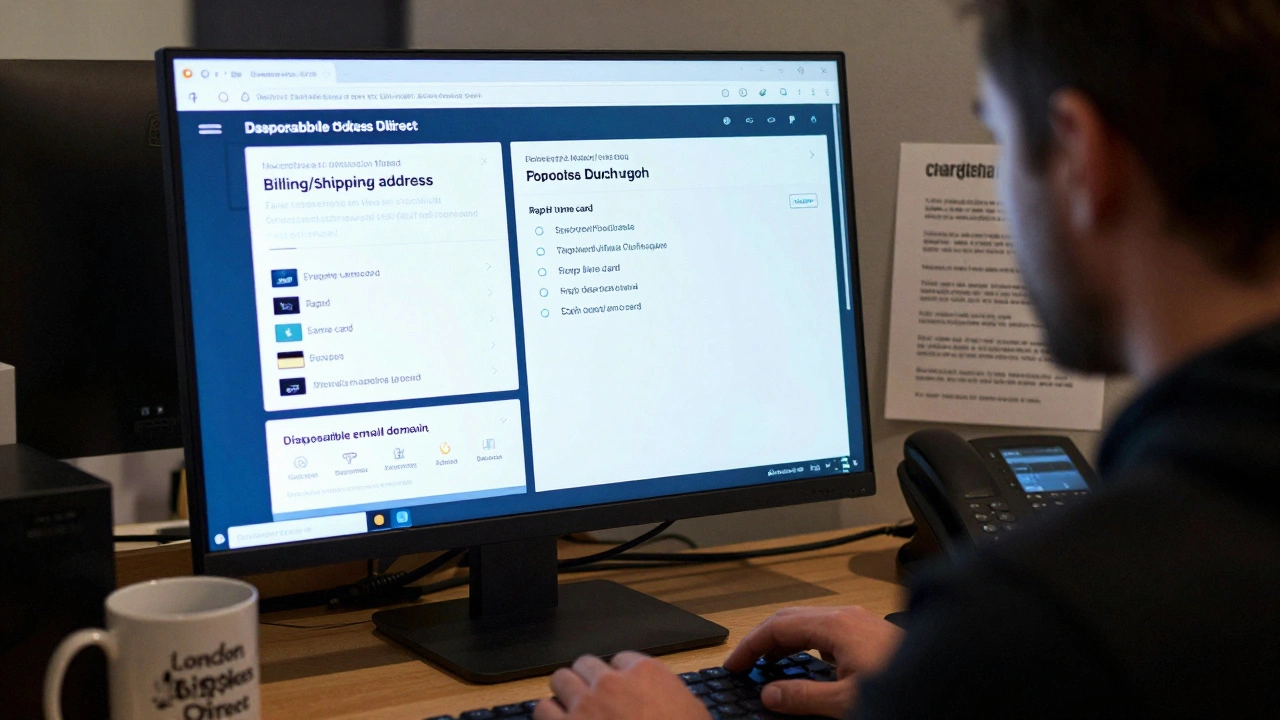
UK online stores face rising fraud with 1 in 12 transactions at risk. Learn practical steps to prevent chargebacks, stop account takeovers, and protect your ecommerce revenue with proven tools and legal rights.
 by
by