Copyright Takedown UK: How to Remove Infringing Content Online
When someone copies your work—your photos, writing, videos, or designs—and posts it online without permission, you have rights. A copyright takedown UK, a formal request to remove infringing material under UK copyright law. Also known as DMCA notice, it’s not a threat—it’s a legal tool anyone can use, even if you’re not a lawyer. You don’t need a big company or a law firm. If you created it, you own it. And if it’s being used without your say-so, you can get it taken down.
Most people think copyright only applies to music or movies, but it covers photography, original images and visual content created by UK-based creators, business proposals, custom sales documents and templates owned by UK freelancers and agencies, and even website copy, unique text written for blogs, product pages, or marketing materials. You’ll find real examples in posts about photography contracts, SOWs, and sales templates—where ownership is clearly defined and often stolen. The UK doesn’t require registration to own copyright; it’s automatic the moment you create something original. But proving you’re the owner? That’s where details matter: timestamps, drafts, watermarks, and metadata.
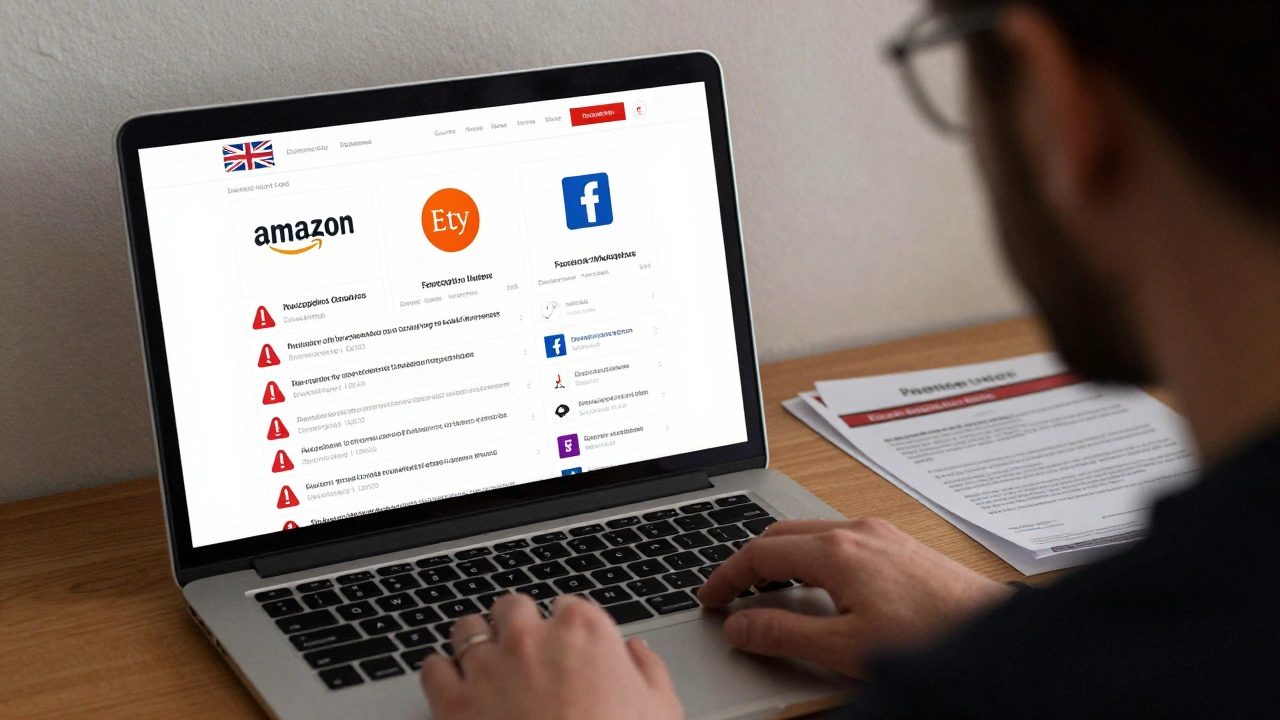
Platforms like Google, Facebook, Instagram, and Shopify have clear processes to report infringement. You don’t need to sue. You just need to send the right notice with the right info: your contact details, a link to your original work, the stolen link, and a statement that you’re the rights holder. Many businesses in the UK have lost revenue because their product images or sales pages were copied by competitors or copycats. One photographer in Manchester recovered £12,000 in lost licensing fees after filing a single takedown notice. It’s not magic—it’s procedure. And the system works if you follow it.
What you won’t find in most guides is how to handle false claims. Sometimes, people misuse copyright notices to silence critics or competitors. The UK system has safeguards, but you need to know when to push back. And if your own content is being used by a UK-based company that refuses to comply? That’s where legal advice might come in—but most cases are resolved before that point.
Below, you’ll find real-world examples of how UK businesses and creators have used copyright takedown tools to protect their work. From photographers shutting down stolen portfolios to e-commerce sellers removing fake listings, these aren’t hypotheticals. These are actions taken by people just like you—using the law, not luck, to protect what’s theirs.
IP Infringement in the UK: How to Enforce, Issue Takedowns, and Respond Effectively
9 Dec, 2025
Learn how to enforce IP rights, issue takedown notices, and respond to infringement claims in the UK. Practical steps for businesses facing copyright or trademark violations online.
 by
by