Goods Under Customs Control: What You Need to Know for UK Trade
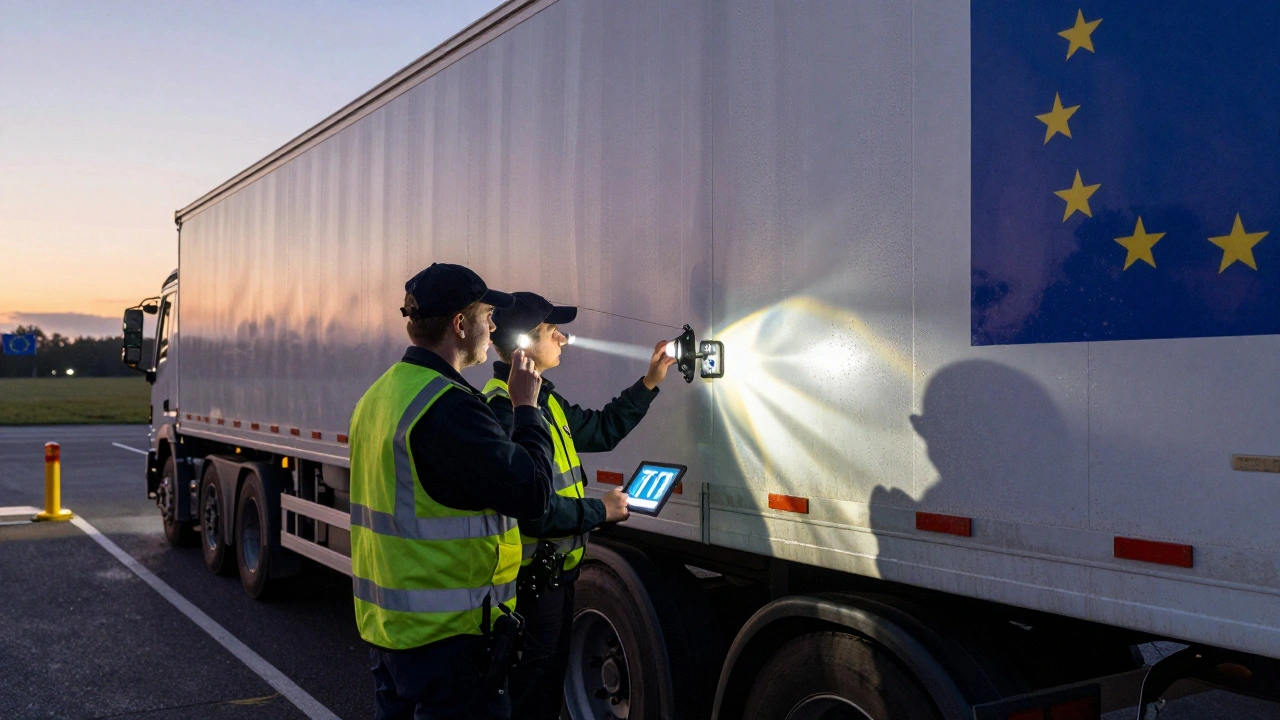
When you move goods under customs control, physical products crossing international borders that are subject to inspection, taxation, or legal restrictions by government authorities. Also known as controlled goods, these are items that don’t just travel—they’re tracked, taxed, and sometimes held until paperwork clears. This isn’t just for big exporters. If you’re shipping anything from the UK to the EU, or bringing goods in from outside the UK, you’re dealing with customs control. It’s not optional. Skip the rules, and your shipment gets stuck, fined, or destroyed.
What counts as goods under customs control? It’s anything with value: electronics, clothing, machinery, even samples sent to clients. The key is whether it crosses a border and enters a jurisdiction with rules. In the UK, this means HMRC and Border Force are watching. They care about customs duties—the taxes you pay on imports—and export compliance, which includes declaring the right value, origin, and classification. Miss one detail, and you could face penalties that cost more than the shipment itself.
And it’s not just about money. Some goods are restricted or banned outright—think alcohol, tobacco, pharmaceuticals, or certain chemicals. Others need special permits, like plant products or animal goods. If you’re shipping tech, you might need export licenses under UK sanctions rules. The same applies if you’re importing. You can’t assume your supplier handled it. In the UK, the importer of record is legally responsible, even if you’re using a freight forwarder. That means your business is on the hook if paperwork is wrong.
Post-Brexit, the UK doesn’t follow EU customs rules anymore. That means even if you’ve shipped to Europe before, you’re now dealing with a new system. You need commodity codes, EORI numbers, and correct Incoterms to show who pays what. The import regulations changed, and so did the paperwork. A shipment that was smooth in 2019 might now get held at Dover because someone forgot to mark the origin correctly.
You’ll find real examples of this in the posts below. One guide breaks down how UK exporters pick between DDP and DAP Incoterms—because who handles customs clearance makes a huge difference in cost and risk. Another shows how to avoid common mistakes when exporting for the first time, like misclassifying goods or under-declaring value. There’s even a piece on how to register your brand to stop counterfeit goods from being seized at the border. These aren’t theory pieces. They’re fixes for real problems businesses face every day.
Whether you’re shipping one pallet or a container, understanding goods under customs control isn’t about becoming an expert—it’s about avoiding the traps that cost time, money, and reputation. The posts here give you the clear, no-fluff steps to get it right. No jargon. No guesswork. Just what you need to move your goods without getting stuck at the border.
Transit Procedures and T1 for UK Trade: Moving Goods Under Customs Control
3 Dec, 2025
Learn how the T1 transit procedure works for moving goods between the UK and EU under customs control. Avoid delays, fines, and seizures with clear steps, common mistakes, and best practices.
 by
by