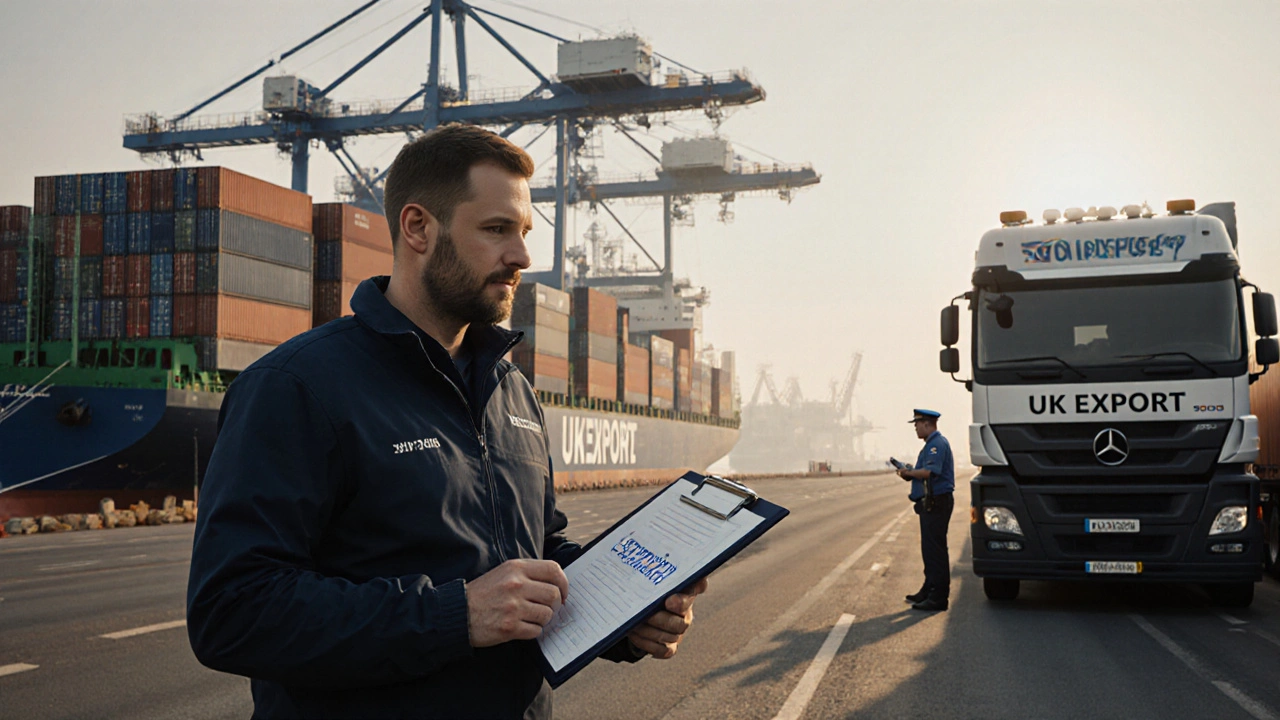
Incoterms Explained: What They Are and How UK Businesses Use Them
When you ship goods from the UK to Europe, the US, or anywhere else, Incoterms, standardised trade terms created by the International Chamber of Commerce to define responsibilities between buyers and sellers in international transactions. Also known as International Commercial Terms, they decide who handles customs, who pays for insurance, and where risk transfers from seller to buyer. If you skip understanding Incoterms, you could end up paying for shipping you didn’t agree to, getting stuck with import taxes you thought were covered, or losing money because no one knew who was responsible when the cargo got damaged.
Incoterms aren’t optional—they’re the backbone of every export contract. The latest version, Incoterms 2020, includes 11 rules like EXW, FOB, CIF, and DDP. Each one changes who does what. For example, EXW (Ex Works) means the buyer picks up the goods at your warehouse—you’re done. But DDP (Delivered Duty Paid) means you handle everything, including foreign customs and taxes. Many UK small businesses use FCA (Free Carrier) because it lets them hand off goods to a freight forwarder at their door, keeping control without the hassle of international logistics. Mistakes here aren’t just costly—they can break relationships. One UK manufacturer lost £40,000 because they shipped under FOB but assumed the buyer would insure the goods. The container sank. No insurance. No payout.
Incoterms connect directly to the other topics you’ll find here. If you’re exporting from the UK, you need to know how Incoterms affect your export documentation and VAT treatment. If you’re managing supplier payments or setting up sales proposals, your Incoterm choice changes the payment terms and delivery expectations. Even your warehouse management and shipping processes must align with the Incoterm you’ve agreed to. You can’t optimise picking or packing if you don’t know whether the buyer is coming to collect or if you’re shipping full truckload.
These aren’t just legal terms—they’re financial tools. Getting them right means you’re not overpaying for shipping, not risking unpaid customs fees, and not getting caught in delays because no one knew who was supposed to book the carrier. The posts below show you how real UK businesses use Incoterms in practice: from first-time exporters avoiding common traps, to sales teams building contracts that protect them, to logistics teams cutting costs by choosing the right shipping terms. You’ll find real examples, clear breakdowns, and no jargon. Whether you’re shipping one pallet or a full container, this is the stuff that keeps your cash flow safe and your customers happy.
Choosing Incoterms for UK Exports: DDP vs DAP and Other Options
1 Dec, 2025
Learn how UK exporters should choose between DDP and DAP Incoterms to manage costs, risks, and customs responsibilities. DAP is the safest option for most small businesses.
Incoterms for UK Traders: Understanding International Shipping Terms
27 Nov, 2025
Incoterms define who pays for shipping, insurance, and customs in international trade. UK traders must understand Incoterms 2020 to avoid costly mistakes after Brexit. Learn the most common rules and how to use them correctly.

 by
by