UK e-commerce returns: How to handle refunds, reduce losses, and keep customers happy
When customers return items in the UK, it’s not just a cost—it’s a UK e-commerce returns, the process of customers sending back purchased goods for refund, exchange, or repair, often driven by sizing issues, damaged items, or buyer’s remorse. It’s a normal part of online shopping, but poorly handled returns can bleed profits and damage trust. In fact, 25% of all UK online purchases are returned—more than double the rate in physical stores. That’s not just logistics; it’s a financial risk that needs a smart system, not just a policy stuck on your website’s footer.
What makes UK e-commerce returns different? For starters, the law gives customers 14 days to change their mind, no questions asked. But fraud is rising: fake return claims, swapped items, and abuse of free return labels are costing retailers up to £10 billion a year. That’s where chargeback protection, a set of tools and processes that defend businesses against fraudulent payment reversals initiated by customers or banks comes in. It’s not enough to accept returns—you need to verify them. Tools like address verification, signature-on-delivery, and return authorization codes help cut down abuse without alienating honest customers.
And then there’s the return policy UK, the official rules a business sets for how customers can return products, including time limits, condition requirements, and refund methods. A vague policy like ‘returns accepted’ is a red flag. Clear ones say: ‘Items must be unused, in original packaging, with tags attached, returned within 14 days.’ Simple. Enforceable. Legally sound. And it cuts down on disputes before they start. Pair that with a pre-paid return label that only works if the item passes a quick photo check, and you’re not just managing returns—you’re controlling them.
But the real win isn’t stopping returns—it’s turning them into repeat sales. Customers who return items but have a smooth experience are 30% more likely to buy again. That’s why the best UK online stores don’t treat returns as a loss. They treat them as feedback. A quick survey after a return: ‘What made you send it back?’ That data tells you if your product photos are misleading, if your sizing charts are wrong, or if your packaging is too flimsy. Fix those, and your return rate drops naturally.
Some businesses try to dodge returns with restocking fees or strict deadlines. That backfires. UK shoppers expect convenience. They’ll shop elsewhere if the return process feels like a battle. The goal isn’t to stop returns—it’s to make them predictable, fair, and fast. Use automated return portals. Let customers print labels themselves. Offer instant refunds to card payments. These aren’t luxuries; they’re expectations now.
Behind every return is a customer. The question isn’t whether you can afford to accept them—it’s whether you can afford to handle them badly. The posts below show you exactly how top UK e-commerce businesses are cutting return fraud, tightening their policies without losing trust, and using returns to improve their products and customer loyalty. No theory. No fluff. Just what works on the ground in 2025.
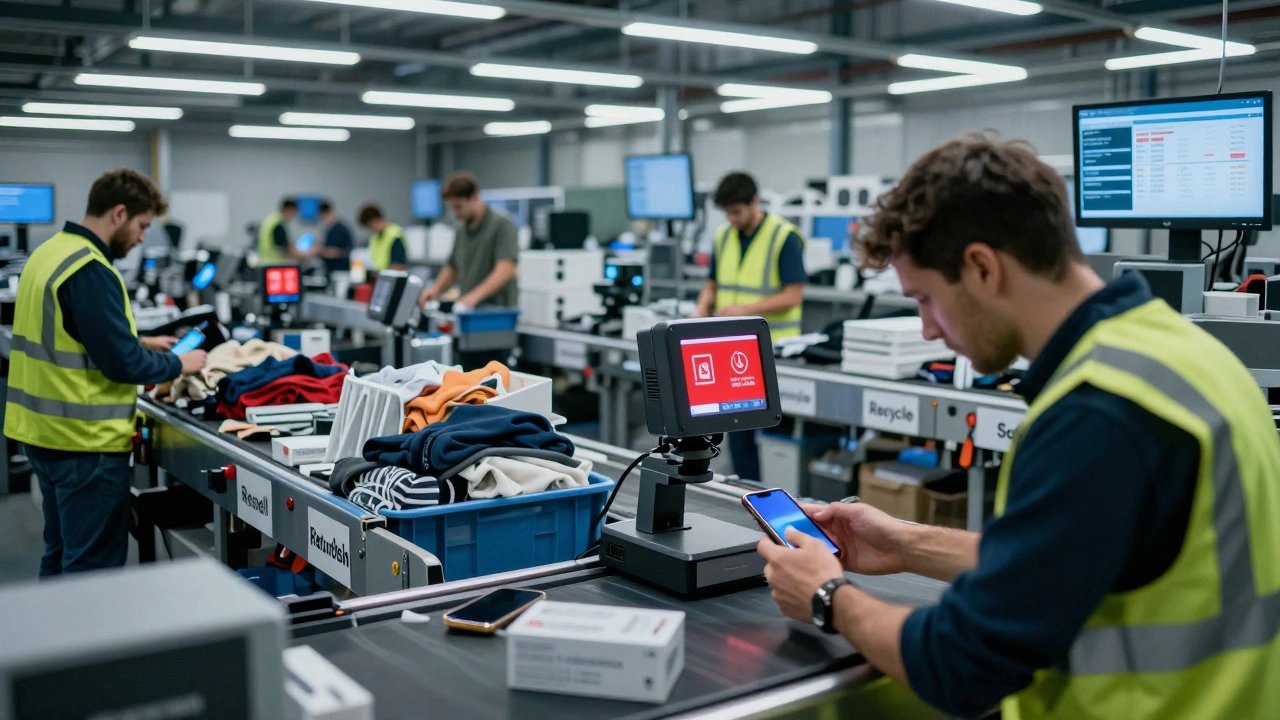
Reverse Logistics in the UK: Handling Returns and Refurbishment Efficiently
7 Dec, 2025
Reverse logistics in the UK is turning returns into revenue. Learn how top businesses handle returns, refurbish products, and cut waste with smart systems and partnerships-without breaking the bank.
 by
by