Product Refurbishment: How UK Businesses Restore Value and Cut Costs
When you think of product refurbishment, the process of restoring used goods to like-new condition for resale. Also known as reconditioning, it’s not just about fixing broken items—it’s a smart, profitable way to extend a product’s life while cutting waste and costs. In the UK, where sustainability rules are tightening and customers care more about value than brand new packaging, refurbishment is turning from a niche idea into a core business strategy.
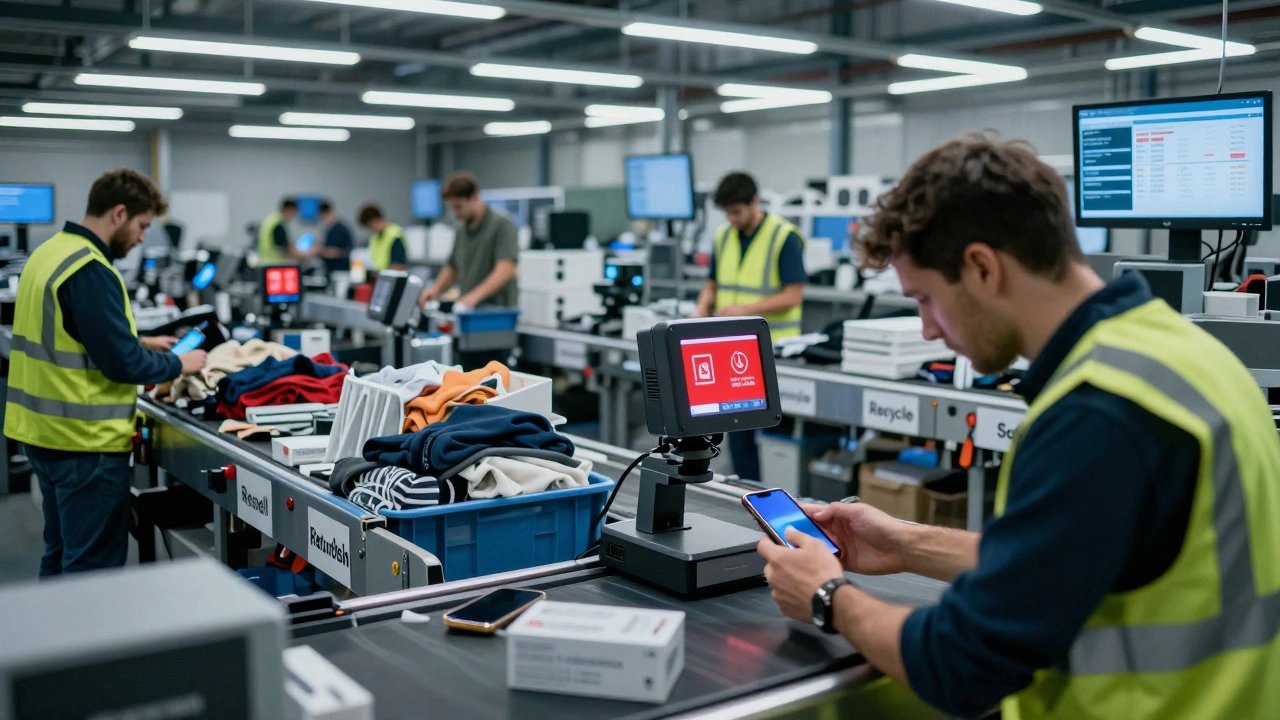
It’s not just electronics. From office furniture and industrial machinery to medical devices and even clothing, businesses across the UK are taking back used products, cleaning them, replacing worn parts, testing performance, and selling them with warranties. refurbished goods, products that have been restored and certified for resale now make up a growing slice of the retail market. Companies like John Lewis and Amazon UK even run dedicated refurbished sections, and SMEs are catching on—using refurbishment to enter markets they couldn’t afford before.
Why does this matter for your business? Because product lifecycle, the full journey of a product from design to disposal isn’t linear anymore. The old model—make, sell, discard—is expensive and risky. Refurbishment flips it: you recover value from returns, customer trade-ins, or surplus stock. You reduce reliance on new imports, cut material costs, and build loyalty by offering affordable, reliable alternatives. And it’s not just green PR. HMRC allows tax relief on repair and refurbishment expenses under certain conditions, and the UK’s Right to Repair laws are pushing more industries to adopt it.
Successful refurbishment isn’t guesswork. It needs clear processes: inspection standards, part sourcing, testing protocols, warranty terms, and transparent labeling. You can’t just clean a laptop and call it good. But you don’t need a factory either. Many UK businesses start small—with one product line, a local technician, and a simple checklist. The key is consistency. Customers who buy refurbished want to feel confident they’re getting a reliable product, not a gamble.
And it’s not just about saving money—it’s about building resilience. When supply chains break, when new parts are delayed, when inflation hits hard, businesses that refurbish have a buffer. They’re not stuck waiting for new stock. They’re turning what others see as waste into cash flow.
Below, you’ll find real guides from UK businesses doing this right. Learn how to set up a refurbishment process that works for your product type, how to handle customer trust, what legal requirements you can’t ignore, and how to turn refurbished items into a branded offering—not a discount bin afterthought. Whether you’re a small retailer, a tech startup, or a manufacturer with returns piling up, there’s something here that can save you money and make your business more sustainable—without needing a big budget or a PhD in engineering.
Reverse Logistics in the UK: Handling Returns and Refurbishment Efficiently
7 Dec, 2025
Reverse logistics in the UK is turning returns into revenue. Learn how top businesses handle returns, refurbish products, and cut waste with smart systems and partnerships-without breaking the bank.
 by
by