Shipping Responsibilities in the UK: Who Does What When Exporting or Delivering Goods
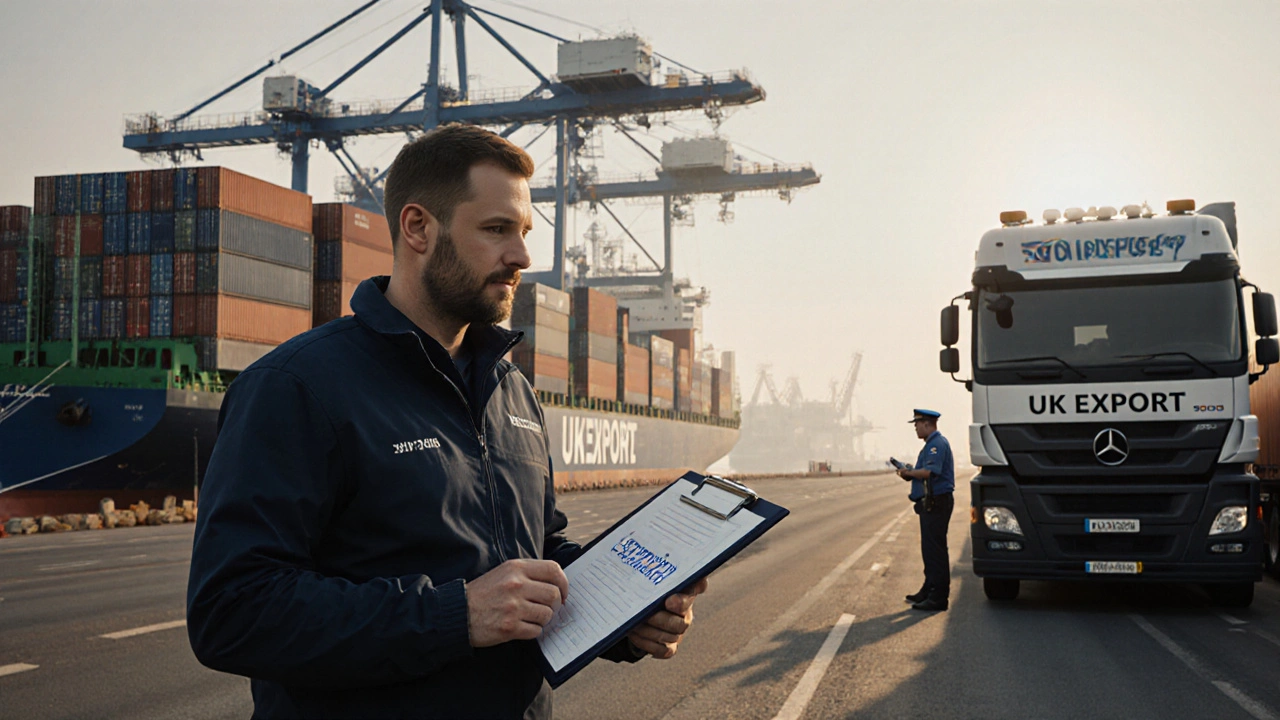
When you ship goods in the UK, shipping responsibilities, the legal and practical duties tied to moving products from seller to buyer. Also known as delivery obligations, it determines who pays for damage, who handles customs, and when ownership actually transfers. This isn’t just paperwork—it’s risk management. Get it wrong, and you could lose money on lost shipments, face fines from HMRC, or get stuck in legal disputes with customers or carriers.
These responsibilities are shaped by international trade terms called Incoterms, which split tasks between buyer and seller. For example, under EXW (Ex Works), the buyer takes full control the moment goods leave your warehouse. But if you use DDP (Delivered Duty Paid), you handle everything—even foreign taxes and customs clearance. Most UK SMEs pick DAP or FOB because they balance control and cost. But many don’t realize that even if they use a courier like DHL or FedEx, the legal burden still follows the Incoterm agreed in the contract. If you’re exporting, your export compliance, the set of rules for sending goods out of the UK. includes correct customs declarations, product classifications (HS codes), and proof of origin. Skip this, and your shipment gets held at the border.
It’s not just about international shipping. Even within the UK, who pays for return shipping? Who’s responsible if a package is stolen from a porch? These questions come up daily for online retailers, manufacturers, and logistics providers. Your terms of sale need to spell this out clearly—otherwise, you’re leaving money on the table or taking on unnecessary risk. The best businesses don’t guess. They document who handles packing, labeling, insurance, and last-mile delivery. They also track who signs for delivery and when liability shifts.
Looking at the posts in this collection, you’ll see real examples of how UK businesses handle these issues. Some cover how to structure export documentation so customs don’t hold up your goods. Others show how warehouse teams reduce packing errors that lead to claims. There are guides on choosing freight partners who actually follow the rules, and templates for contracts that define shipping duties upfront. You’ll also find advice on how to use tracking data to prove delivery times—and dispute false claims from customers.
Whether you’re shipping a single pallet or scaling exports across Europe, knowing your shipping responsibilities isn’t optional. It’s the difference between getting paid on time and chasing down lost shipments. The posts below give you the exact steps, templates, and legal insights used by UK businesses to get it right—every time.
Incoterms for UK Traders: Understanding International Shipping Terms
27 Nov, 2025
Incoterms define who pays for shipping, insurance, and customs in international trade. UK traders must understand Incoterms 2020 to avoid costly mistakes after Brexit. Learn the most common rules and how to use them correctly.
 by
by