T1 Declaration: What It Is and How It Affects UK Exporters
When you ship goods from the UK through the EU to another country, you’re likely using a T1 declaration, a customs document that lets goods move under customs supervision without paying duties until they reach their final destination. Also known as a T1 form, it’s a key tool for UK exporters who move products across borders without paying VAT or import tax upfront. This isn’t just paperwork—it’s a legal requirement under the EU’s transit system, and even after Brexit, it’s still widely used for shipments passing through EU territory.
Companies that export from the UK to non-EU countries via EU roads or ports rely on T1 declarations to avoid paying duties twice. If you’re shipping machinery from Manchester to Turkey through France, the T1 lets your goods travel under bond. The system tracks the cargo from the point of departure to the final exit from the EU customs area. Without it, you’d pay import taxes in France just to drive through, then pay them again in Turkey. That’s where the T1 saves money and keeps supply chains moving. It’s used by freight forwarders, logistics firms, and even small businesses shipping high-value goods. You don’t need to be a big exporter to use it—just someone moving goods across borders.
Related entities like customs declaration, the official document submitted to customs authorities to declare goods entering or leaving a country, are often confused with the T1. But a customs declaration is what you file at the border; the T1 is what you use to move goods through multiple borders without stopping. And international shipping, the process of transporting goods across national borders, often involving multiple legal and logistical steps can’t run smoothly without understanding how these systems connect. The T1 isn’t optional if your route touches the EU—it’s a backbone of cross-border trade. Get it wrong, and your shipment gets held, fined, or returned. Get it right, and you save thousands in cash flow and delays.
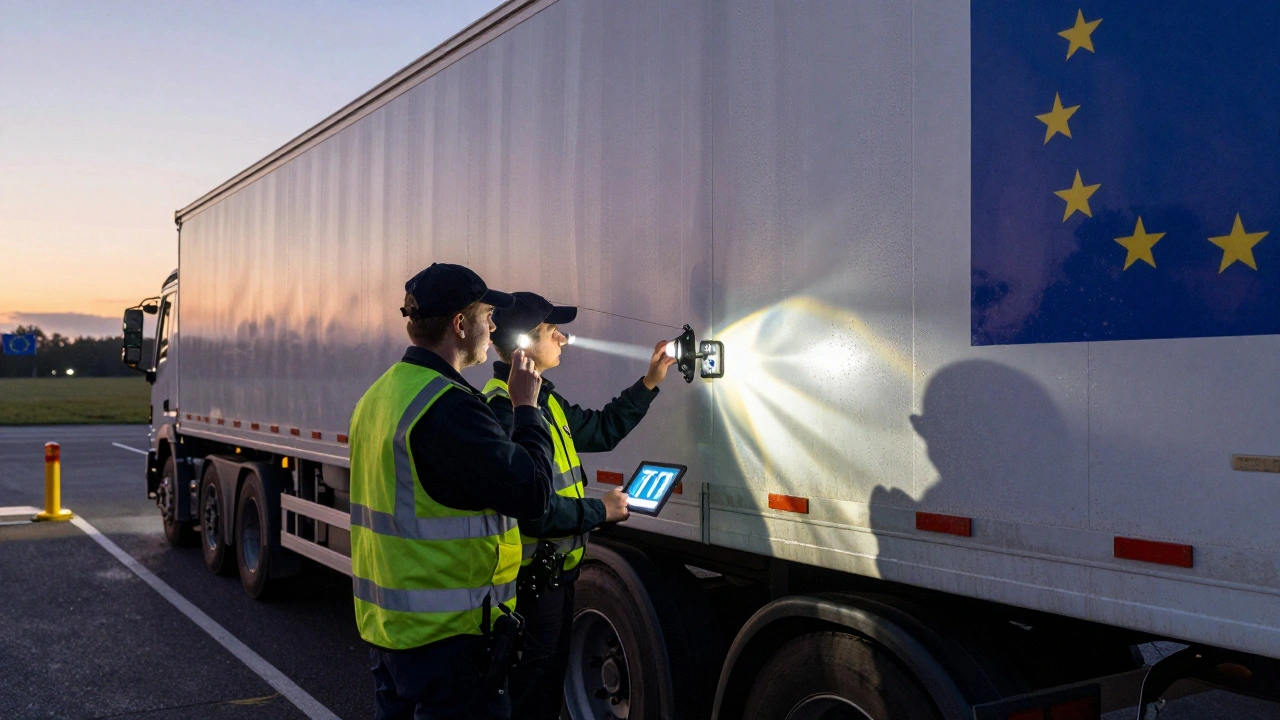
What you’ll find below are real guides from UK businesses who’ve navigated this system. From how to fill out the form correctly to what happens when customs inspectors stop your truck in Germany, these posts give you the no-fluff, practical details you won’t find in official manuals. Whether you’re shipping once a year or every week, you’ll find what you need to avoid costly mistakes and keep your goods moving.
Transit Procedures and T1 for UK Trade: Moving Goods Under Customs Control
3 Dec, 2025
Learn how the T1 transit procedure works for moving goods between the UK and EU under customs control. Avoid delays, fines, and seizures with clear steps, common mistakes, and best practices.
 by
by